Pre-Black Friday Sale is LIVE! Get Up to 85% OFF AI Tool Listings + 50% OFF All Sponsorships.
Grab the DealSubmit your Tool
PoweredByAI.app is an AI Tools Directory helping individuals, businesses, and creators discover the best AI tools for writing, coding, design, productivity, and more.
© 2026 , Product of011BQ. All rights reserved.

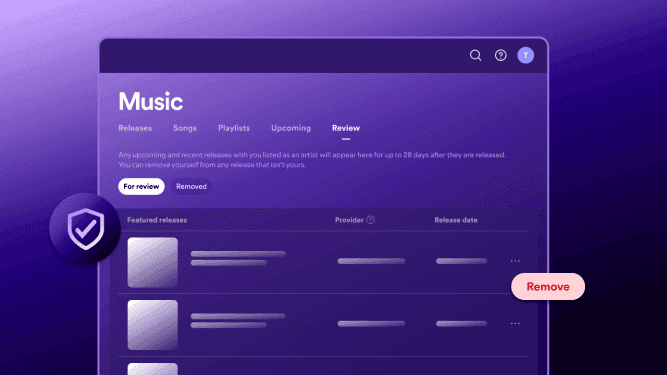
As AI-generated slop continues to flood music streaming platforms, Spotify is rolling out an “Artist Profile Protection” tool to all artists, giving them control over the music appearing under their name. The official launch comes eight months after the companybegan beta testingthe feature with select artists. Spotify says the tool is designed to address a longstanding issue across streaming services, where music can end up on the wrong artist profile due to deliberate impersonation, metadata errors, or shared artist names. The update comes as Billboardreportedlast month that Sony Music had requested the removal of more than 260,000 deepfake songs from digital platforms, nearly double the number the label disclosed in March. With this new feature, Spotify is aiming to give artists more control over their digital identities as the volume of music uploaded to streaming services continues to grow. Artists can enable the feature through Spotify for Artists to receive alerts when new music is submitted under their name. If a release doesn’t belong to them, they can remove their association with it to stop it from appearing on their profile. By default, releases go live as scheduled unless an artist intervenes. If artists want greater control, they can choose to switch on an advanced setting that requires them to manually approve or reject releases before they appear on their profile. “Artists should never have to find someone else’s music under their name, said Sam Duboff. Spotify’s Global Head of Marketing and Policy, in an email, stated to TechCrunch. “Their artist profile should be in their control. Starting today, every artist on Spotify can use Artist Profile Protection to review what shows up on their profile and prevent spammy and incorrect releases from ever reaching their page or their fans. We’re the first and only streaming service with a solution to the industry-wide problem of content mismatch, and we hope it sets a new standard for streaming platforms.” The company says it worked with thousands of artists during the beta testing phase to refine the tool and make it easier to protect their profiles without disrupting release schedules.
View

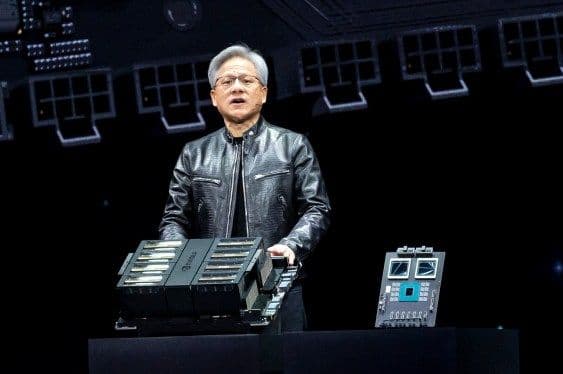
Nvidia has formed a committee to oversee national security policies and export control compliance following the abruptresignationof CEO Jensen Huang over allegations of an affair with a suspected Chinese spy who had links to one of the company’s customers. Nvidia said Tuesday that thenew standing committeewill give board-level oversight of national security policies, export control compliance, and global trade risks. The move comes amid increased scrutiny from U.S. lawmakers over Huang’s alleged ties to the suspected spy and his advocacy for easing restrictions on advanced AI chip exports to China. The Commerce Department said Monday it was planning to introduce newexport controls on AI chips and data centersoutside of the U.S. in an effort to prevent companies in China and elsewhere from circumventing existing rules by remotely accessing AI infrastructure located in other countries. The interim rule was made in direct response to the unfolding chip smuggling scandal at Nvidia. The announcement comes just a few hours before Nvidia’s highly anticipated third-quarter earnings call. Analysts, the media, and shareholders expect thecompany to address the controversyand outline how it might affect operations. This is the first major action by the company under the leadership of Collette Kress, the company’s CFO who took over as interim CEO after Huang stepped down last week. The committee, which will meet at least quarterly, will be chaired by director Suzanne Nora Johnson and include fellow directors Stephen C. Neal and John O. Dabiri as members. Nvidia already has a national security team and global trade compliance team. Those teams will now report to this board committee and Kress on day-to-day operations. Huang hasagreed to testify before Congresslater this month.
View

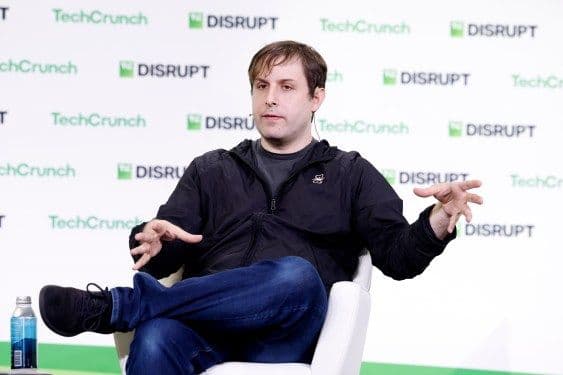
Science Corporation, the medical technology start-up founded by former Neuralink president Max Hodak in 2021, raised a $400 million Series D, the company said in ablog post. Investors in the new round valued the company at $3.5 billion, a person familiar with the deal told TechCrunch. Those backers included Khosla Ventures, the Ackman Oxman Institute, Tenet Healthcare, 885 Capital, Y Combinator, and PLC Neurotech. Hodak, who talked his way into a graduate neuroscience lab as a college student and has pursued biotechnology ever since, co-founded Science to leverage new technologies to understand and interact with the brain. Science’s first product is PRIMA, a wearable and implantable chip that helps people with age-related macular degeneration recover some vision. The device is approved in Europe and available in Germany, as well as being trialled for new conditions. Hodakannouncedthat the device is now being trialled for patients with another blindness-causing condition, Stargardt’s disease, while onstage at TechCrunch Disrupt. With the funding, the company aims to bring the device to the United States through the FDA’s Humanitarian Device Exemption, which lets experimental medical technology be used to treat rare conditions. Science has convinced the FDA that advanced macular degeneration in both eyes is uncommon enough to let them seek approval to use the device on people in the US. Still, the startup’s big ambition and founding purpose is connecting directly to the human brain through a bio-hybrid sensor built from a combination of cultured neurons and silicon. The company is currently designing initial human trials of the device with Yale neurosurgery professor Murat Günel, whotold TechCrunchit could offer potential treatments for Parkinson’s disease, among other brain injuries and illnesses.

View

Women founders have asked the Karnataka government to make GPUs, hardware facilities, and industry connections more accessible.
View

Enterprises must decide where each AI application should run, what information it can use and what it is allowed to do.
View

Adobe will integrate Google's AI models into its creative applications and bring Acrobat and other tools into Google's productivity and AI ecosystem.
View
The US defence technology company plans to hire Indian engineers to develop and test its Hivemind autonomy platform, expanding its presence beyond Delhi.
View

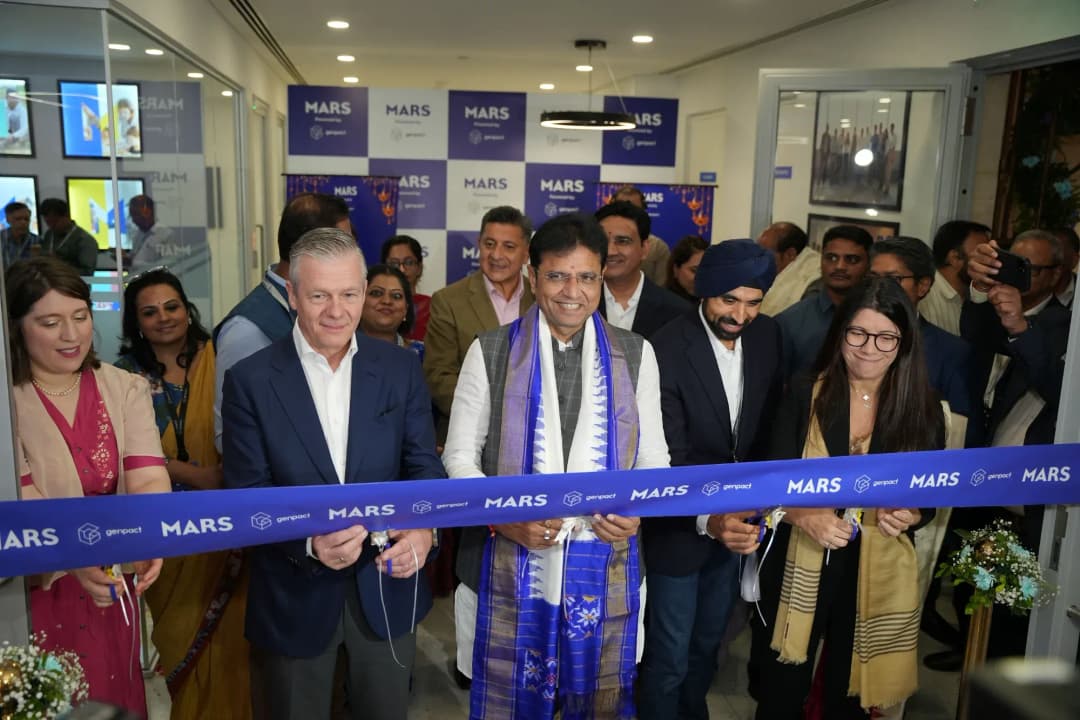
The 60,000 sq ft facility will initially have more than 400 Genpact employees, with Mars aiming to transition to 1,000 of its associates over time.
View

The proposed projects include a 1 GW facility in Andhra Pradesh, silicon manufacturing plants, a permanent magnet factory, and a technical training centre.
View

SoftBank’s Arm stake secures loans that help fund its other AI bets, so a fall in Arm’s shares cuts both its portfolio value and its funding.
View

As children turn to AI chatbots for emotional support, therapy-like conversations, and schoolwork, new regulations in New York and Europe are raising questions about age limits, emotional dependency and how India should protect young users.
View

The feature requires users to approve every transaction through a security check, such as Face ID or fingerprint authentication
View