🚀 Zaprep: Your Socials on Steroids. Start free — automate 1,000 DMs/month & turn engagement into leads. with 1,000 automated DMs/month.
BlogHow Financial Software Teams Build Secure Customer-Facing Platforms
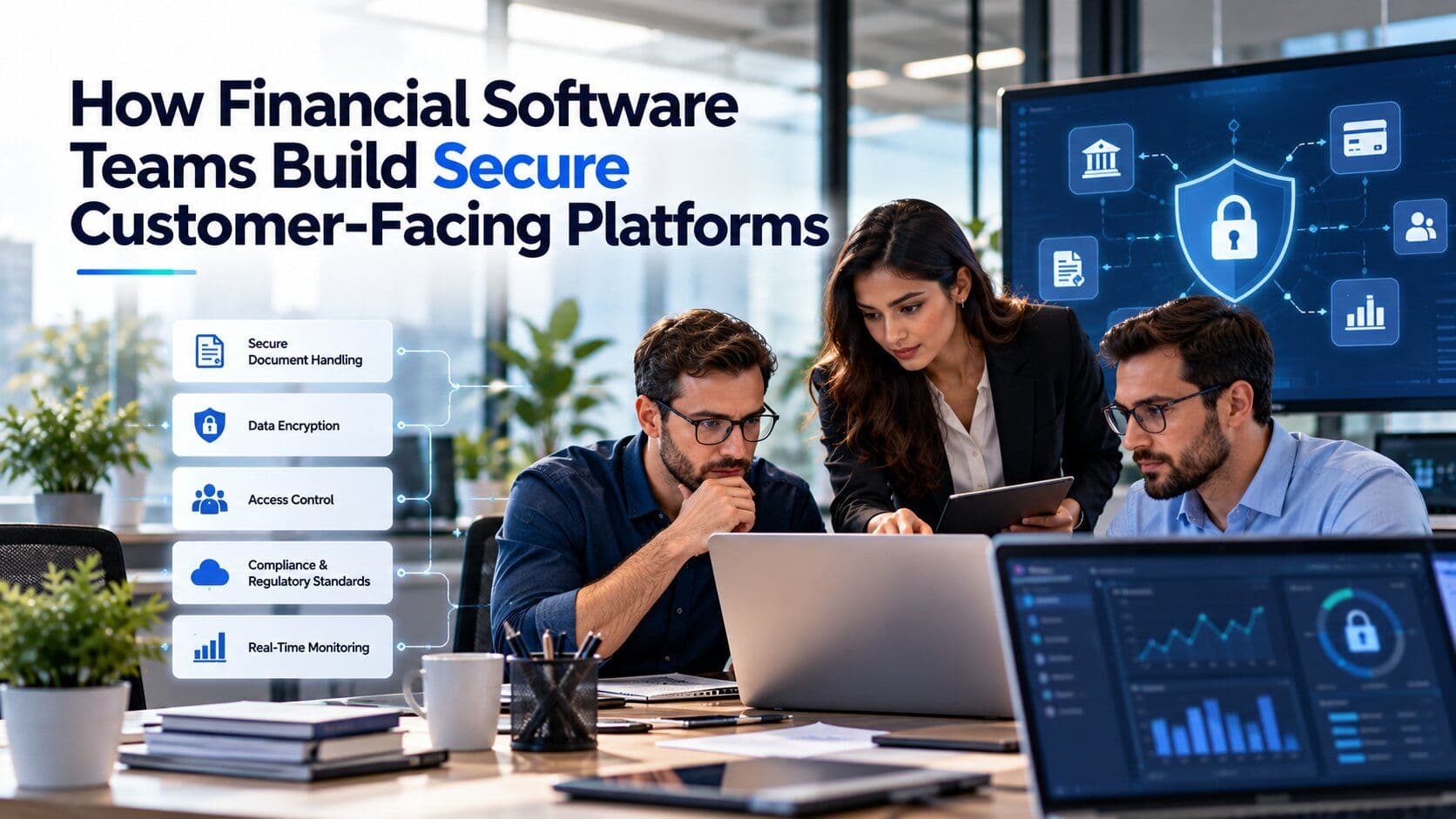
How Financial Software Teams Build Secure Customer-Facing Platforms
 Shashank Jain
14 Oct 2026
5 min read
How Financial Software Teams Build Secure Customer-Facing Platforms
Modern financial institutions and emerging fintech enterprises face an unrelenting challenge: delivering intuitive, high performance digital experiences while upholding ironclad security controls. As end users increasingly manage wealth, request credit, and execute commercial transactions through consumer web interfaces and mobile applications, the underlying technical infrastructure must reconcile extreme ease of use with zero trust security protocols. A single breach or prolonged outage can dismantle consumer trust, invite severe regulatory penalties, and undermine corporate valuation.
The Dual Imperative of User Experience and Security
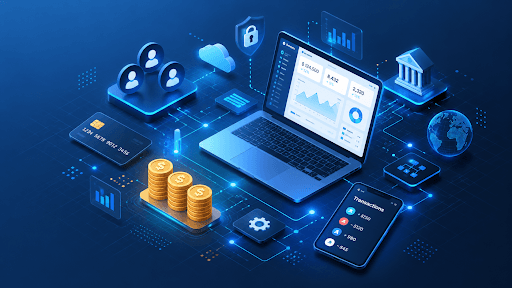
Digital financial services have shifted user expectations dramatically. Contemporary consumers demand instant transaction clearance, seamless onboarding workflows, and frictionless cross device accessibility. However, prioritizing operational speed at the expense of defensive architecture creates dangerous vulnerabilities.
Customer facing applications represent the primary exposure point for external cyber threats, including credential stuffing, social engineering, and sophisticated application programming interface exploits.
Balancing high speed digital interaction with robust threat mitigation requires embedding defensive protocols directly into every layer of the application code base from initial architectural planning.
Architectural Pillars of Secure Customer Portals
Constructing high availability financial interfaces requires an integrated engineering methodology that balances user engagement with rigorous platform isolation.
End-to-End Data Protection Architectures
Encrypting sensitive financial payloads requires applying advanced cryptographic standards across all storage environments and transport layers. Database fields storing personally identifiable information must rely on isolated key management services, preventing unauthorized exposure even in the event of an infrastructure breach.
Granular Role Based Access Controls
Implementing strict role management frameworks ensures users and internal personnel access only the precise data payloads necessary for specific tasks. Applying least privilege access protocols prevents horizontal privilege escalation attacks across client accounts.
Resilient Cloud Infrastructure Design
Customer applications must maintain continuous operational uptime despite unexpected traffic surges or hardware failures. Utilizing multi region cloud deployments and dynamic load balancers ensures transactional continuity during peak operational demand.
Automated Threat Detection and Regulatory Auditing
Continuous monitoring financial software identifies anomalous transaction velocity or suspicious login patterns instantly. Deploying automated logging frameworks creates immutable audit trails necessary for regulatory compliance and threat analysis.
Building custom financial software development firms provides organizations with the flexible framework necessary to meet complex security standards while delivering exceptional digital services. "Engineers building modern client interfaces must view security controls as core operational enablers rather than performance constraints," notes a senior systems architect at SoftDoes. "When robust data protection and adaptive identity verification are built into the initial architecture, customer facing applications deliver both high operational velocity and absolute trust."
Insights published by Harvard Business Review consistently demonstrate that companies treating digital trust and platform resilience as core strategic investments build stronger customer loyalty and capture greater market share over time.
Critical Technical Components of Secure Fintech Platforms
Constructing reliable secure fintech platforms requires technical teams to unify several complex backend operational subsystems into a seamless frontend user experience.
Advanced Authentication and Identity Verification
Modern customer portals must implement adaptive multi factor authentication that evaluates contextual risk factors like geolocation, device fingerprints, and network profiles. Incorporating biometric authentication and single sign on protocols ensures account security without introducing excessive user friction.
Defensive API Gateway Management
Connecting client interfaces with internal ledgers and third party payment processing networks requires secure API gateway architecture. Implementing strict rate limiting, payload validation, and mutual transport layer security defends internal microservices against malicious external traffic.
Real Time System Telemetry
Maintaining clear system observability allows operations personnel to detect database bottlenecks, service latencies, and unauthorized access attempts before end users suffer service degradation.
In-depth reporting from Bloomberg emphasizes that financial institutions prioritizing real time cyber threat telemetry reduce breach recovery costs significantly compared to peers relying on reactive security measures.
Evaluation Framework for Selecting a Technical Development Partner
Engineering sophisticated software requires specialized technical leadership. Selecting the right external development firm determines whether a software initiative achieves long term stability or creates severe architectural technical debt.
Assessing Past Case Studies and Security Track Record
Reviewing a prospective engineering firm's historical work reveals how their technical teams solve complex real world challenges. Examine detailed technical case studies that demonstrate success in deploying secure client applications, passing rigorous penetration tests, and meeting strict regulatory compliance audits.
Direct client references provide authentic visibility into an engineering firm's technical proficiency, delivery reliability, and adherence to security standards.
Evaluating Tech Stack Alignment and Architectural Standards
The engineering capabilities of a development firm must align directly with your organization's long term architectural roadmap. Confirm that senior technical leads possess deep expertise in zero trust security models, modern programming frameworks, cloud native deployment pipelines, and microservices design.
Engaging an experienced vendor specializing in fintech development ensures your platform utilizes modern programming standards while avoiding legacy technical liabilities.
Establishing Disciplined Communication Protocols
Building high stakes software applications requires transparent, continuous collaboration between executive leadership, product managers, and external engineering teams. Reliable development partners institute structured communication workflows to maintain alignment throughout the project lifecycle.
- Regular Sprint Reviews: Demonstration sessions allow product owners to inspect functional software updates and verify security controls at predictable intervals.
- Shared Project Dashboards: Interactive task tracking portals offer real time visibility into code releases, bug resolution times, and team velocity.
- Documented System Architecture: Detailed technical documentation guarantees internal teams maintain complete ownership and clarity regarding internal platform logic.
Insisting on Cost and Process Transparency
Clear commercial terms and transparent resource allocation protect organizations against expanding budget commitments. Professional technology vendors perform exhaustive early discovery audits before issuing comprehensive project roadmaps broken down by build phases.
Clear milestone schedules and explicit resource allocation models prevent scope creep while keeping technical deliverables aligned with core business objectives.
Setting Up Post Launch Maintenance and Continuous Evolution
Deploying customer applications to production environments represents the beginning of an ongoing operational lifecycle. Financial interfaces require continuous vulnerability scanning, automated security patching, performance optimization, and regular infrastructure updates to remain resilient against evolving cyber threats.
Contractual agreements with engineering vendors must specify post launch support windows, system availability service level agreements, and ongoing maintenance protocols to ensure long term operational health.
Long Term Strategic Benefits of Robust Software Engineering
Investing in professional engineering to build resilient customer facing interfaces yields substantial strategic returns across the entire enterprise:
- Uncompromising Brand Reputation: Protecting client financial data builds long term brand trust and prevents costly public security incidents.
- Simplified Regulatory Compliance: Pre-engineered security frameworks simplify ongoing audit reviews and accelerate entry into new regulatory markets.
- Enhanced Operational Efficiency: Automated threat detection and self service customer management portals reduce administrative support overhead significantly.
- Seamless Platform Scalability: Modular cloud architecture allows companies to introduce new financial products without disrupting existing client activities.
Selecting a qualified technology partner transforms complex security demands into a lasting competitive advantage. Strategic investments in expert engineering ensure your customer facing platform scales effortlessly, preserves user trust, and delivers exceptional digital financial experiences across every growth phase.
Related Tags
AI ToolsRelated Categories
AI ToolsGet your AI tool featured in articles like this
Reach users actively discovering AI tools on PoweredbyAI and build SEO backlinks that improve your visibility on Google.
Trusted by 25,000+ AI tools and growing startups
Get Your AI Tool Featured in High-Traffic Blogs & Articles
Get featured on PoweredByAI and reach users actively discovering tools like yours. Build powerful SEO backlinks that help you rank on Google and drive consistent organic traffic.
Sponsored blog features with targeted reach
Guest articles with do-follow backlinks
Contextual link placements for SEO boost
Trusted by 25,000+ AI tools and growing startups
Enjoyed this? Talk AI tools with other founders and builders.
Join our Slack communityRecent Blogs


Submit your Tool


PoweredByAI.app is an AI Tools Directory helping individuals, businesses, and creators discover the best AI tools for writing, coding, design, productivity, and more.
© 2026 , Product of011BQ. All rights reserved.