🚀 Zaprep: Your Socials on Steroids. Start free — automate 1,000 DMs/month & turn engagement into leads. with 1,000 automated DMs/month.
BlogPractical Ways to Implement IoT in Your Transportation Business Today
Practical Ways to Implement IoT in Your Transportation Business Today
 Shashank Jain
15 Sept 2026
6 min read
Preparing for the A+ 220-1202 exam requires more than reading study guides or watching training videos. Candidates need clear ways to measure progress and identify weak areas before test day. Practice tests provide that structure.
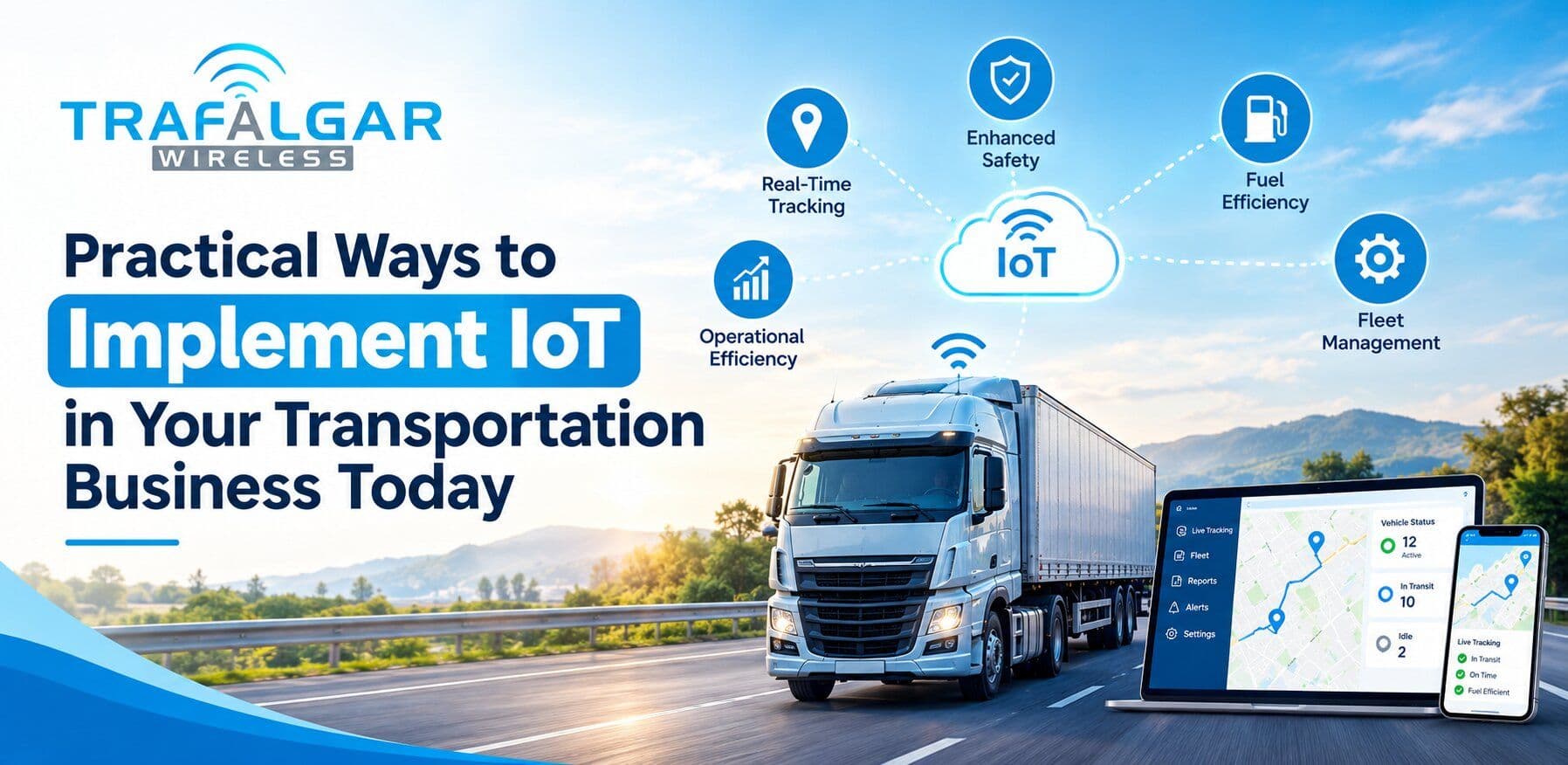
Practical Ways to Implement IoT in Your Transportation Business Today
Preparing for the A+ 220-1202 exam requires more than reading study guides or watching training videos. Candidates need clear ways to measure progress and identify weak areas before test day. Practice tests provide that structure.
They reveal patterns in your performance, highlight domains that require more attention, and help you understand how questions are framed. When used consistently, they turn preparation into a measurable process rather than guesswork.
This article explains how to use CompTIA 1102 practice tests to monitor score trends, analyze weak topics, choose reliable study resources, and build a practice schedule that supports steady improvement.
Key Benefits of IoT in Transportation
Organizations that implement IoT transportation solutions report operating cost reductions between 20-30% while improving vehicle availability by 35-50%. These numbers explain why adoption continues to accelerate in the industry.
Reduced Operational Costs
Fuel represents one of the largest line items in any transport budget. IoT-enabled fuel management delivers 10-18% fuel cost reduction through consumption tracking, theft prevention, and efficiency optimization. Real-time monitoring identifies excessive idling, harsh braking, and rapid acceleration.
Unnecessary fuel consumption often sneaks up through inefficient driving habits, but with Trafalgar Wireless IoT solutions, driver coaching can target these behaviors, delivering immediate savings.
Predictive maintenance powered by IoT helps you catch potential issues before they escalate, reducing emergency repairs and lowering maintenance expenses by 25–35%. Investing in smart monitoring today ensures smoother operations and a healthier bottom line.
They cost 3-5 times more than planned maintenance activities. IoT sensors detect potential issues early and shift maintenance from reactive to proactive. Labor costs also decrease. Fleets adopting GPS tracking reported an 8% reduction in labor costs.
Route optimization reduces the number of planners required by automating what previously took manual effort. The average fleet operation loses 15-25% of potential revenue to preventable inefficiencies, which IoT addresses head-on.
Improved Safety and Compliance
Advanced driver monitoring systems can reduce accidents caused by fatigue or distraction by up to 40%. AI-powered cameras capture real-time data and issue alerts for risky behaviors such as speeding, mobile phone use, and tailgating.
Most businesses report reductions in claims by at least 25 percent and crashes by around 50 percent [mentioned in the Essential IoT Solutions section context]. Compliance activities become much less burdensome. IoT takes the pain out of regulatory requirements through automated reporting, vehicle tracking, and driver fatigue monitoring.
Systems record and store data related to vehicle inspections, driver hours, and fuel usage automatically. This reduces administrative overhead and minimizes the risk of costly fines.
Fleet operations focusing on coaching rather than surveillance report 50% higher driver satisfaction and 35% better retention. The technology makes targeted improvement programs possible instead of punitive measures.
Enhanced Customer Experience
Customers view real-time visibility as a requirement rather than a bonus. Research shows 88% of customers say the experience a company provides is as important as its products or services. Proactive notifications can reduce "Where is my order?" inquiries by up to 30% and free support teams from repetitive status calls.
Real-time tracking builds trust. Customers feel in control when they receive timely updates, which raises satisfaction levels. IoT-based route management lets suppliers respond to emergencies quickly and find flexible ways to deliver orders on time. This responsiveness separates leaders from laggards in competitive markets.
Logistics is no longer just a back-end function. It has become a brand differentiator. Companies unable to provide delivery visibility lose ground to competitors who can.
Better Asset Utilization
Fleet asset utilization answers a critical question: Are you getting the most value from the assets you already own? Accurate utilization data helps avoid over-purchasing vehicles or equipment. Organizations that implement asset utilization analytics achieve 20-30% fleet size optimization.
Monitoring reveals which vehicles are underused or overused. Companies increase productivity without expanding their fleets by reallocating underutilized assets to higher-demand locations.
Better utilization often reveals inefficiencies in routing, scheduling, or job assignments. Lower maintenance and ownership costs follow because unused assets still incur maintenance, insurance, and depreciation expenses.
Industry-Specific IoT Transport Applications
Different sectors apply IoT transportation solutions in ways that match their specific operational challenges. What works for public buses is different from what cold chain operators need.
Public Transit Systems
Transit agencies face mounting pressure to improve service reliability while managing tight budgets. IoT sensors now track passenger counts immediately, helping operators redistribute capacity and prevent overcrowding. When paired with modern transit software, these insights sharpen scheduling accuracy and support long-term planning decisions.
Riders expect arrival information in real time. GPS tracking systems transmit vehicle locations to centralized command centers, which then share updates through mobile apps and electronic displays at stops. This visibility reduces wait time uncertainty and raises passenger satisfaction.
Beyond tracking, IoT enables predictive maintenance on transit vehicles. Sensors monitor component performance to predict failures before they happen, reducing the risk of breakdowns during operation.
Freight and Logistics Operations
RFID tags and GPS sensors give logistics providers end-to-end visibility into shipment movement and condition. These tools capture environmental data such as temperature and humidity, which proves critical when transporting sensitive or perishable goods.
Amazon deployed more than 750,000 automated robots in its logistics centers after acquiring Kiva Systems in 2012, creating one of the most powerful smart logistics ecosystems worldwide.
Smart shelves equipped with weight sensors alert managers when inventory runs low, triggering automatic reordering processes. This approach improves cash flow and reduces carrying costs while supporting faster replenishment decisions.
Last-Mile Delivery Services
The final leg of delivery represents much of the logistics costs. According to findings from McKinsey, last-mile delivery accounts for 41% of overall logistics cost. Others estimate that around 53% of shipment costs go toward this phase.
IoT-powered route optimization addresses this challenge by analyzing traffic and weather alongside historical data to identify the most efficient delivery routes. Autonomous delivery vehicles and drones use IoT sensors to navigate through traffic efficiently.
Smart lockers offer secure, contactless delivery alternatives that give customers the flexibility to receive packages at their convenience. Trafalgar Wireless provides the cellular connectivity that keeps these last-mile solutions running reliably.
Cold Chain Transportation
Shipments of remote tracking systems with cellular or satellite communications capabilities for refrigerated cargo units reached 725,000 units worldwide in 2022 and will hit 1.2 million units by 2027. The stakes are high. About one-third of all food produced for human consumption is wasted globally, with most wastage occurring during transportation.
IoT sensors monitor temperature and humidity alongside vibration levels continuously. When temperature errors are detected, supply-chain managers can act before problems escalate into catastrophes.
DHL's SmartSensor system tracks the exact shipment location at every stage while monitoring critical environmental parameters like temperature and humidity, especially in the pharmaceutical and medical sectors.
Conclusion
Practice tests serve as a practical checkpoint throughout A+ 220-1202 preparation. They show whether your knowledge is improving, where weak topics remain, and how well you perform under exam conditions.
Tracking score trends, reviewing missed questions, and studying weak domains helps turn each attempt into a learning opportunity. A balanced mix of free and paid resources can support this process by offering varied questions and realistic exam simulations.
With consistent practice and thoughtful review, candidates gain a clearer view of their readiness and develop the confidence needed to approach the actual exam with a solid understanding of the material.
Related Tags
AI ToolsRelated Categories
AI ToolsGet your AI tool featured in articles like this
Reach users actively discovering AI tools on PoweredbyAI and build SEO backlinks that improve your visibility on Google.
Trusted by 10,000+ AI tools and growing startups
Get Your AI Tool Featured in High-Traffic Blogs & Articles
Get featured on PoweredByAI and reach users actively discovering tools like yours. Build powerful SEO backlinks that help you rank on Google and drive consistent organic traffic.
Sponsored blog features with targeted reach
Guest articles with do-follow backlinks
Contextual link placements for SEO boost
Trusted by 10,000+ AI tools and growing startups
Recent Blogs

Submit your Tool


PoweredByAI.app is an AI Tools Directory helping individuals, businesses, and creators discover the best AI tools for writing, coding, design, productivity, and more.
© 2026 , Product of011BQ. All rights reserved.