Pre-Black Friday Sale is LIVE! Get Up to 85% OFF AI Tool Listings + 50% OFF All Sponsorships.
Grab the DealSubmit your Tool
PoweredByAI.app is an AI Tools Directory helping individuals, businesses, and creators discover the best AI tools for writing, coding, design, productivity, and more.
© 2026 , Product of011BQ. All rights reserved.

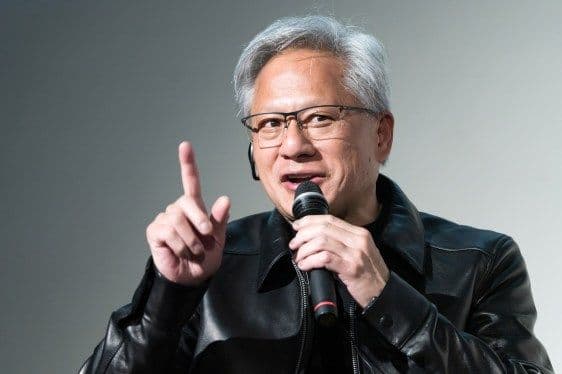
Nvidia’s board announced Sunday that it’s launching anindependent investigationafter CEO Jensen Huang told staff he was unfaithful to his wife. But this isn’t a case of just another CEO having an extramarital affair. The romantic interest is Megaspeed executive Alice Huang, whom U.S. officials believe is a Chinese spy who was feeding information back to Beijing. In short, the stakes reach well beyond Nvidia, given how many tech and financial partners depend on its place at the center of the AI economy. “I’m responsible for anentire industry,” Huang recently told Bloomberg in a sit-down. A spokesperson for the Chinese Embassy in Washington dismissed the allegations in late October as “groundless smears and slanders,” and no one has been charged. But U.S. intelligence officials reportedly briefed President Donald Trump about their concerns a year ago, and unnamed senior officials inside the Trump administration told the Times that they doubt Huang could haveremained unawareall that time of Alice Huang’s intelligence-gathering role for China. When Trump was first briefed, the Times reported, officials didn’t believe Huang knew, and it isn’t clear whether their assessment has changed. The board, meanwhile, says it sees no sign that national security or company secrets were compromised. The question is whether Huang can survive this. To think through what could come next, this editor spoke Sunday with famed professor Jeffrey Sonnenfeld, senior associate dean for leadership studies at the Yale School of Management and founder of the Chief Executive Leadership Institute, which has hosted Huang at its CEO summits. Sonnenfeld likes Huang, he said, and he called Huang’s career salvageable but put the odds at “about a 50-50.” He also had a lot more food for thought. First, the damage. Until now, Huang has been “revered and trusted by everybody in technology,” Sonnenfeld noted. But he called this episode “remarkably poor judgment.” Even if Huang was merely naive, he said, “any employee in Nvidia other than him would be fired over this,” and the recklessness alone would mean “an irretrievable loss of confidence.” Sonnenfeld suggested that Huang’s saving grace could be what social psychologists callidiosyncrasy credits, if he can prove he was being duped. The term comes from Edwin Hollander, a social psychologist who proposed in a 1958 paper that people earn latitude in a group by showing competence and following its rules. Huang has been earning latitude since he co-founded Nvidia in 1993. But all that goodwill can run out when a screw-up looks self-serving or touches the group’s core norms. Here that group includes Nvidia’s board, its roughly 42,000 employees who are bound by security rules, and, in a looser sense, the U.S. government, given it restricts its exports. We also talked about precedents, except, as it turns out, there really are none for what’s unfolding right now. Executives who survive personal scandals sometimes pick up where they left off at another company, Sonnenfeld observed. Former HP CEO Mark Hurd is one example. Between 2005 and 2010, he drove HP to the top of the tech industry by revenue, then was pressured to resign after he filed inaccurate expense reports that hid a personal relationship with a contractor. Oracle hired him about a month later. Huang has no equivalent because Nvidia is his company As for the bench at Nvidia, that doesn’t really exist either. While there is typically a hierarchy inside companies of Nvidia’s scale and importance, Huang has kept things as flat as possible, with about 60 direct reports by his own account. That structure makes it hard to figure out who would succeed him (though his children, both of whom work at Nvidia, are sometimes the subject ofsuccession speculation). That won’t stop the worldwide guessing game that’s sure to follow. And boards in crisis often reach for a “messianic solution” from outside, Sonnenfeld said, floating former Google CEO Eric Schmidt as one idea. Nvidia’s role at the center of a massive and complex circular financing web is what makes this particular predicament so tricky and, undoubtedly, terrifying for a wide number of constituents. Nvidia isn’t just the biggest provider of chips driving the AI boom but also largely the bank behind the buildout. In addition to stakes in hundreds of smaller startups, Nvidia has invested in OpenAI, Anthropic, xAI, CoreWeave and Nebius. In August, it also signed preliminary agreements with Apollo, BlackRock, Blackstone, Brookfield, Goldman Sachs and KKR aimed at mobilizing more than $500 billion over time, and Huang has said Nvidia could backstop up to a quarter of it. The move was widely interpreted as a way to spread risk. Now, a leadership crisis at the center is how a stumble becomes a collapse. So what’s Nvidia’s board likely doing at this moment? Sonnenfeld noted that Huang’s constant, public advocacy for selling advanced chips to China had already made people anxious. Anthropic’s Dario Amodei, whose company Nvidia has backed, had a lot to say about selling chips to China at Davos back in January, likening it to “selling nuclear weapons to North Korea.” Now the board’sindependent members— meaning everyone but Huang — will have to establish what technology reached China if any, and by what routes, including by better understanding Nvidia’s relationship with Megaspeed. The Singapore cloud company, which grew out of a Chinese gaming business and became Nvidia’s largest buyer in Southeast Asia, bought roughly$2 billion of its chips, the New York Times reported in October 2025, raising broader questions about whether it was helping China circumvent U.S. export restrictions by re-exporting the chips to China or renting them to Chinese customers remotely. (An Nvidia spokesperson told The Hill after the Times report that the allegations were “thoroughly investigated anddebunked last year.”) In the meantime, Huang will keep running the company, Nvidia said Sunday. That’ll be a tall order, even for a CEO who already spends much of his time traveling the world to promote Nvidia. For starters, three House chairmen want a closed-door briefing from Huang on November 18. Nvidia is also reporting its newest earnings on November 17. Sonnenfeld expects that even if Huang keeps the title, he’ll have to hand off some of the day-to-day decision-making. Only one thing is certain right now. Huang doesn’t own the kind of super-voting stock that would cement his power at Nvidia. Sonnenfeld often argues for dual-class structures that empower founders, and he says Huang’s success without one has been the best counterargument to that case. But if Huang had one, Sonnenfeld continued, removing him would be harder. This episode may be remembered as a pivotal moment for how the tech industry guards its secrets. Sonnenfeld argues tech has been “way too lax” compared with defense contractors that face clearance regimes. Thearrest last monthof an OpenAI engineer points to the same problem. He was accused of hiding a recording device behind a TV in an executive conference room, and while OpenAI has said it has no indication that model weights, source code, or customer data were accessed, the case highlights how exposed tech companies are to people who get close. Huang may well survive the investigation (Sonnenfeld hopes the board clears him of knowingly aiding anyone). The bigger test comes when Nvidia’s employees, customers and partners, and, indirectly, the millions of Americans with Nvidia in their 401(k) plans, have to decide whether an AI economy built largely on the judgment of Huang still makes sense.

View

WordPress has been a crucial technology and content management system for websites like TechCrunch. Now, WordPress.com owner Automattic is responding to the changing state of the web by debuting a new service called Spacefast, which will allow users to deploy vibe-coded websites and apps. Spacefastis designed to provide infrastructure for the vibe-coded apps, including databases, authentication, file uploads, emails, and analytics, to make them functional websites, apps, or services. The product competes with the likes of Lovable and Emergent, which offer both interface and rails for vibe-coded apps, but in a more open way. Users can connect Spacefast with other agents and chatbots like ChatGPT, Claude, Hermes, OpenClaw, Grokbot, Muse, Pi, Cursor, Opencode, and Amp. Alternatively, they can connect a Git repository to Spacefast to get started. The product is headed by Batuhan İçöz, who worked on working on it during one of the company’s hackathon sprints earlier in the year. At that time, he worked on the company’s cross-platform messaging app Beeper and said that he often got Vercel links from his non-technical friends while exploring vibe coding. “I thought there had to be a better way for everyone to set up and deploy their projects. Automattic already has good infrastructure, but we have been traditionally associated with just WordPress. I thought, why do I have to use Cloudflare when we have a CDN (Content Delivery Network) just as good? So I started working on what was called Stattic and now Spacefast,” he told TechCrunch over a call. İçöz eventually disseminated the solution to his friends and added more features to make the product more dynamic. Automattic soft-launched the product in September to get feedback before today’s launch.The company has seen varied use cases of their product, with people and organizations using it for internal mockups, slideshows, and offer-related websites. However, that’s not the only competition Spacefast has. Productivity and design software like Figma, Canva, and Notion have launched products that sit at the intersection of vibe coding, mockups, and presentations. İçöz thinks that, compared to something like Lovable, Spacefast has the advantage of giving users a choice of their agent and using the solution their way. The counter-argument might be that a certain kind of user wouldn’t want to choose and just have everything figured out for them. Spacefast said that it also has the advantage of being within Automattic to launch solutions like web analytics, WordPress integration, and e-commerce features (through WooCommerce) easily to compete better with the whole lot. “For enterprises, the problem right now is IT sprawl, as their marketing teams are churning out landing pages on services like Lovable, and they want to consolidate and work with a company that understands the enterprise needs. With our existing products, we have experience serving enterprise customers,” İçöz noted. A challenge for newly minted products in the AI world is to retain people post-launch. Users might get excited to try out a new product, and then move on to the new shiny thing within days or weeks. İçöz is cognizant of the fact and said that he expects people to churn, as they might not be interested in making apps at all. “I think what we need to do as a product is make sure that when you build something with SpaceFast, it is so easy, and the results are so much better than without Spacefast,” İçöz emphesized. Many websites and publishers are struggling with dwindling traffic due to AI chatbots and summaries, right now, to the point thatGoogle itself saw its ad revenue growth drop. İçöz acknowledged that people are making websites with ChatGPT or Claude now as compared to deploying something on WordPress, and he said some sites won’t need a content management system at all as the web expands. Spacefast comes amid turbulent months at Automattic. In an OpenAI-Sam Altman-style saga, the company’s board forcedCEO Matt Mullenweg out, but he wasback in control within days. The rebel board waseventually replaced, and the interim CFO left within weeks of appointment. In October, TechCrunch reported that thecompany had began layoffs across several propertiesand more cuts were expected.

Online publishing platform Medium on Mondaylaunched a new app, called TK,which aims to bring AI technology deeper into the writing process. The idea behind TK is to make it easier to turn ideas into written words by incorporating an AI assistant into the editor itself, allowing users to ask for help by typing “@TK” followed by their request or prompt. In publishing and journalism, the term “TK” serves as a placeholder used to mark where missing information can be added later. The “TK” stands for “to come,” but uses a “K” instead of “C” as there are few English words where the “tk” letter combination exists, making it stand out more easily in written text where it could be caught by proofreaders. InMedium’s app, TK takes on a new role as it tries to help users fill in the blanks. The company suggests the AI assistant could help answer questions that you might normally have to switch to another tab to quickly look up, like how many days are in a particular month. The app could also pull in bits of writing you had previously saved to the app when you were still fleshing out your ideas. In addition, Medium saysTKwill ship with particular skills for editorial feedback, headline feedback, and others that could match your draft to the style guide for Medium publications. Medium’s move to embrace AI in the early stages of writing could prove controversial at a time when the publishing and literary worlds have been reckoning with the role that artificial intelligence has played in the creation of new long-form prose.Multipleauthorshavelost book dealsover suspicions that they used AI technology to help them write, while other literary awards havecome under scrutinyafter winners weresuspected of writing with AI assistance. While writers have long used automated tools for proofreading and light grammatical edits, there is growing concern across the publishing industry that an AI assistant’s editorial “suggestions” can become the writing itself, instead of being reflective of the thoughts in the writer’s own mind. But because AI models were trained on human writing, there are alsoquestions around the reliability of AI detection toolsin terms of their ability to properly determine when something was written with AI, rather than with its assistance, versus not at all. TK leans into this debate, taking the side that these nuances will ultimately no longer matter in the end. Instead, the company celebrates what AI can bring to the world of writing, saying that “artificial intelligence makes writing more important, not less,” and proclaiming that “AI is a technology that has the power to amplify human intelligence and it uses the written word as a foundation.” Still, Medium concedes that AI does raise the possibility of low-quality content and blurring the line between what’s human-written versus AI-written. To address these concerns, TK allows authors to publish notes that transparently explain how AI was used in their writing. “This is a start of what we believe is required to publish in the AI era, which is to make the provenance of writing clear, transparent, and inspectable, right down to the prompting and source material,” Medium explained ina blog post about the launch. In addition to writing assistance, TK will help users remember and organize what they had previously written and suggest writing prompts. The app can also optionally connect to your own AI agent through TK’s MCP server or Claude skill, so the app can better understand your projects, your positions, and other ideas that could be stored in your agent’s memory. Meanwhile, the new app incorporates human feedback in a social layer, the company says, allowing writers to share their early drafts with others and get feedback. At launch, TK is available on the web, but a desktop app is on the roadmap, Medium says. The app can import and export Markdown, but it’s not a Markdown app itself. The writing in TK is also not encrypted, as the app is designed for collaboration, but users will be able to set access control permissions on their work. Medium, which is profitable, says TK will be a free tool for those with a Medium account.

The agreement covers software engineering, cloud, cybersecurity, and SAP modernisation, alongside plans to introduce Hexaware's AI frameworks.
View

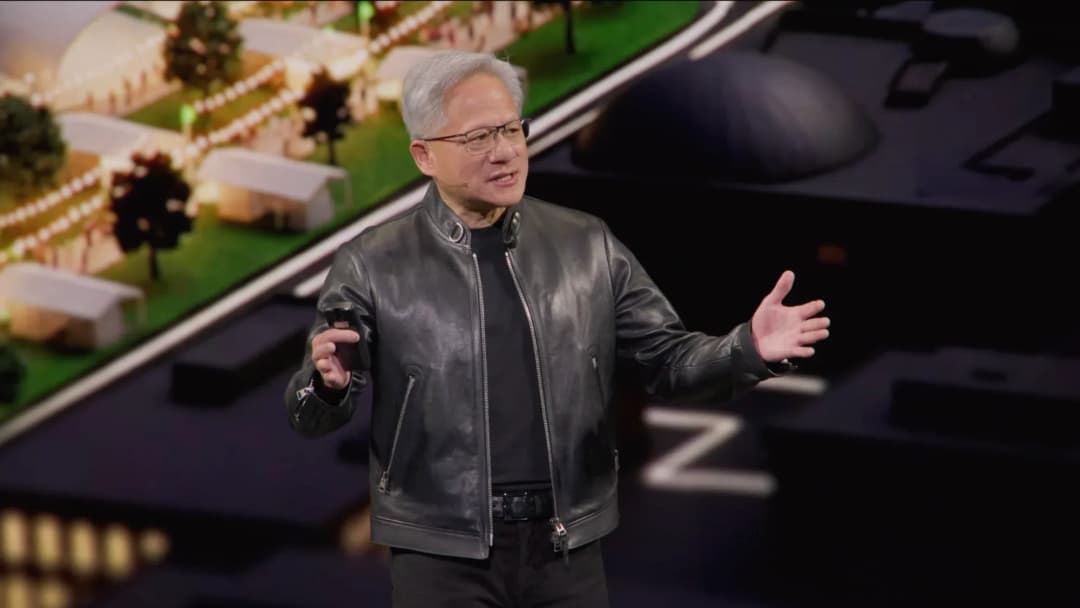
The NVIDIA CEO’s admission has triggered a board-level probe into allegations of Chinese intelligence involvement and potential risks to sensitive company information.
View

Salesforce is positioning Slack as a work operating system for enterprises, with Slackbot bringing together organisational data, applications, and AI agents.
View

The National Stock Exchange has introduced natural language stock screening, AI-assisted corporate announcement summaries, and market data access.
View

India’s office-using workforce is projected to grow by nearly 9 million by 2030, even as AI automates routine tasks and commercial office vacancies rise.
View

ZingHR is evolving from its workforce technology roots toward a broader proposition that connects employee and organisational data with business outcomes.
View

Momentuum blue, Coforge’s FDE unit, will handle deployments using teams of engineers and AI agents embedded within client organisations.
View

The deal strengthens its ability to help enterprises move AI initiatives into production and manage them at scale.
View

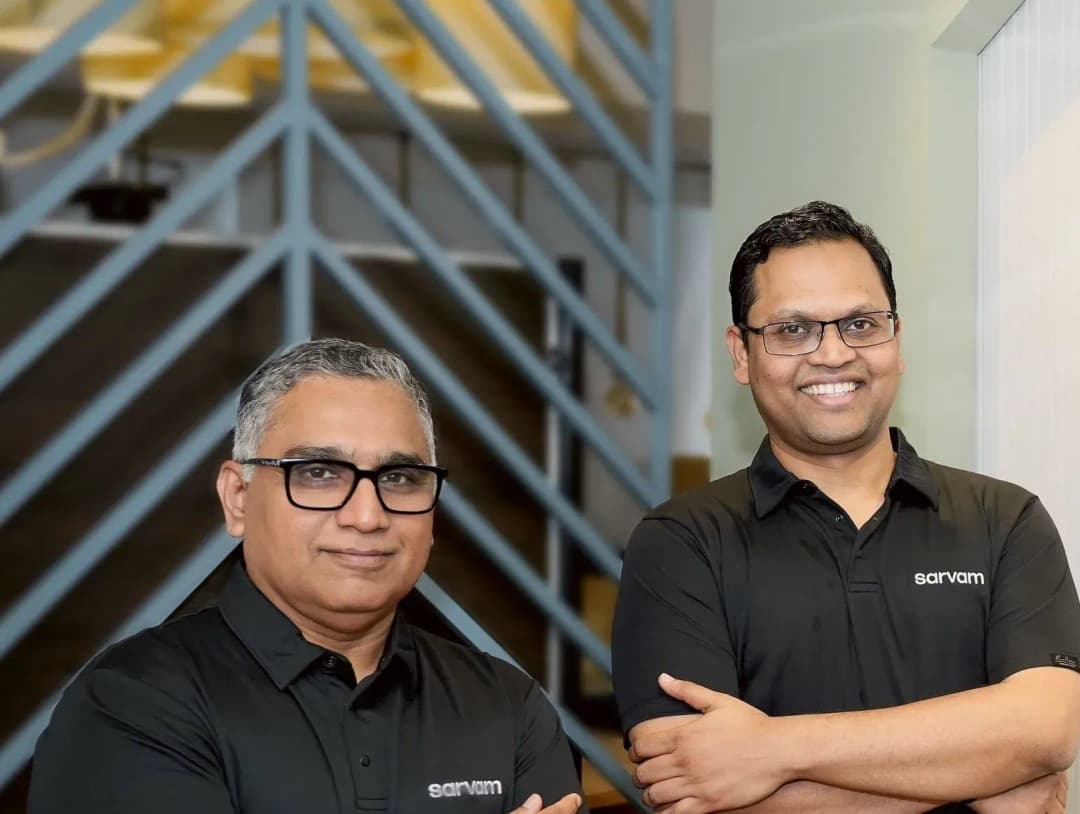
The appointment comes as Sarvam looks to scale its presence across enterprise and government customers, with more than 100 institutions already using its AI offering.
View
View
View