🚀 Zaprep: Your Socials on Steroids. Start free — automate 1,000 DMs/month & turn engagement into leads. with 1,000 automated DMs/month.
AI NewsThe dictionary sues OpenAI
The dictionary sues OpenAI
1:08 AM IST · March 17, 2026
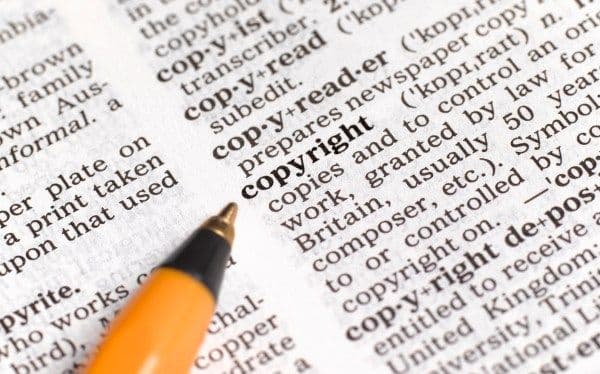
Encyclopedia Britannica and Merriam-Webster have filed a lawsuit against OpenAI, alleging in itscomplaintthat the AI giant has committed “massive copyright infringement.” Britannica, which owns Merriam-Webster, retains the copyright to nearly 100,000 online articles, which have been scraped and used to train OpenAI’s LLMs without permission, the publisher alleges in the lawsuit. Britannica also accuses OpenAI of violating copyright laws when it generates outputs that contain “full or partial verbatim reproductions” of its content and when the AI lab uses its articles in ChatGPT’s RAG (retrieval augmented generation) workflow. OpenAI’s RAG tool is how the LLM scans the web or other databases for newly updated information when responding to a query. Britannica also alleges that OpenAI violates the Lanham Act, a trademark statute, when it generates made-up hallucinations and attributes them falsely to the publisher. “ChatGPT starves web publishers like [Britannica] of revenue by generating responses to users’ queries that substitute, and directly compete with, the content from publishers like [Britannica],” the lawsuit reads. Britannica also alleges ChatGPT’s hallucinations jeopardize “the public’s continued access to high-quality and trustworthy online information.” Britannica joins a number of other publishers and writers in pursuing legal action against OpenAI over copyright issues. TheNew York Times,Ziff Davis(owner of Mashable, CNET, IGN, PC Mag, and others), and more than a dozennewspapersacross the U.S. andCanada, including the Chicago Tribune, the Denver Post, the Sun Sentinel, the Toronto Star, and the Canadian Broadcasting Corporation, have sued OpenAI. Asimilar Britannica lawsuitagainst Perplexity is still pending. There is not a strong legal precedent that establishes whether using copyrighted content to train an LLM is copyright infringement. But inone particular instance, Anthropic successfully convinced federal judge William Alsup that this use case — using the content as training data — is transformative enough to be legal. However, Alsup argued that Anthropic violated the law by illegally downloading millions of books, rather than paying for them, which warranted a $1.5 billion class action settlement for impacted writers. OpenAI did not respond to TechCrunch’s request for comment before publication.
read moreLatest AI News
View All News →


Submit your Tool


PoweredByAI.app is an AI Tools Directory helping individuals, businesses, and creators discover the best AI tools for writing, coding, design, productivity, and more.
© 2026 , Product of011BQ. All rights reserved.