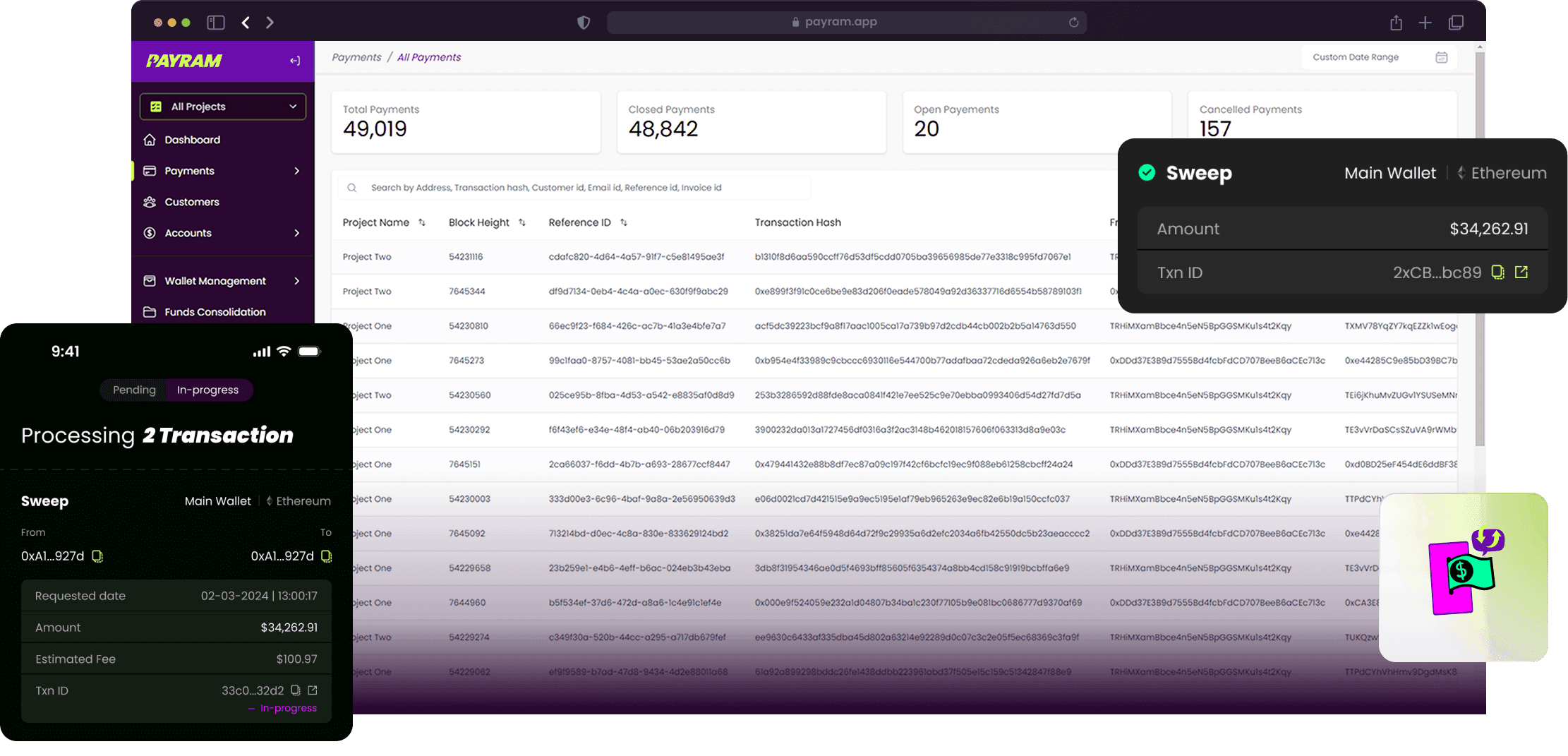
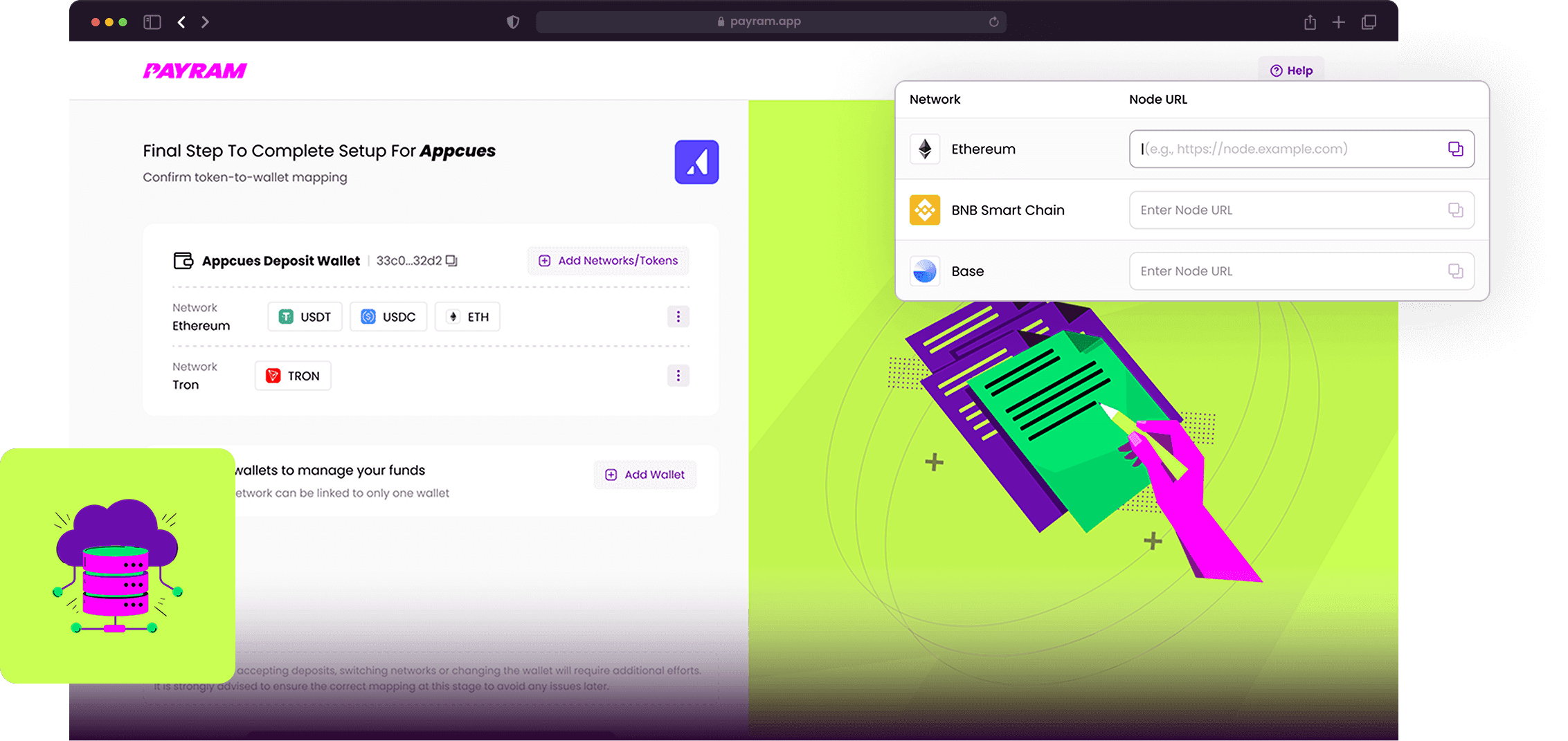
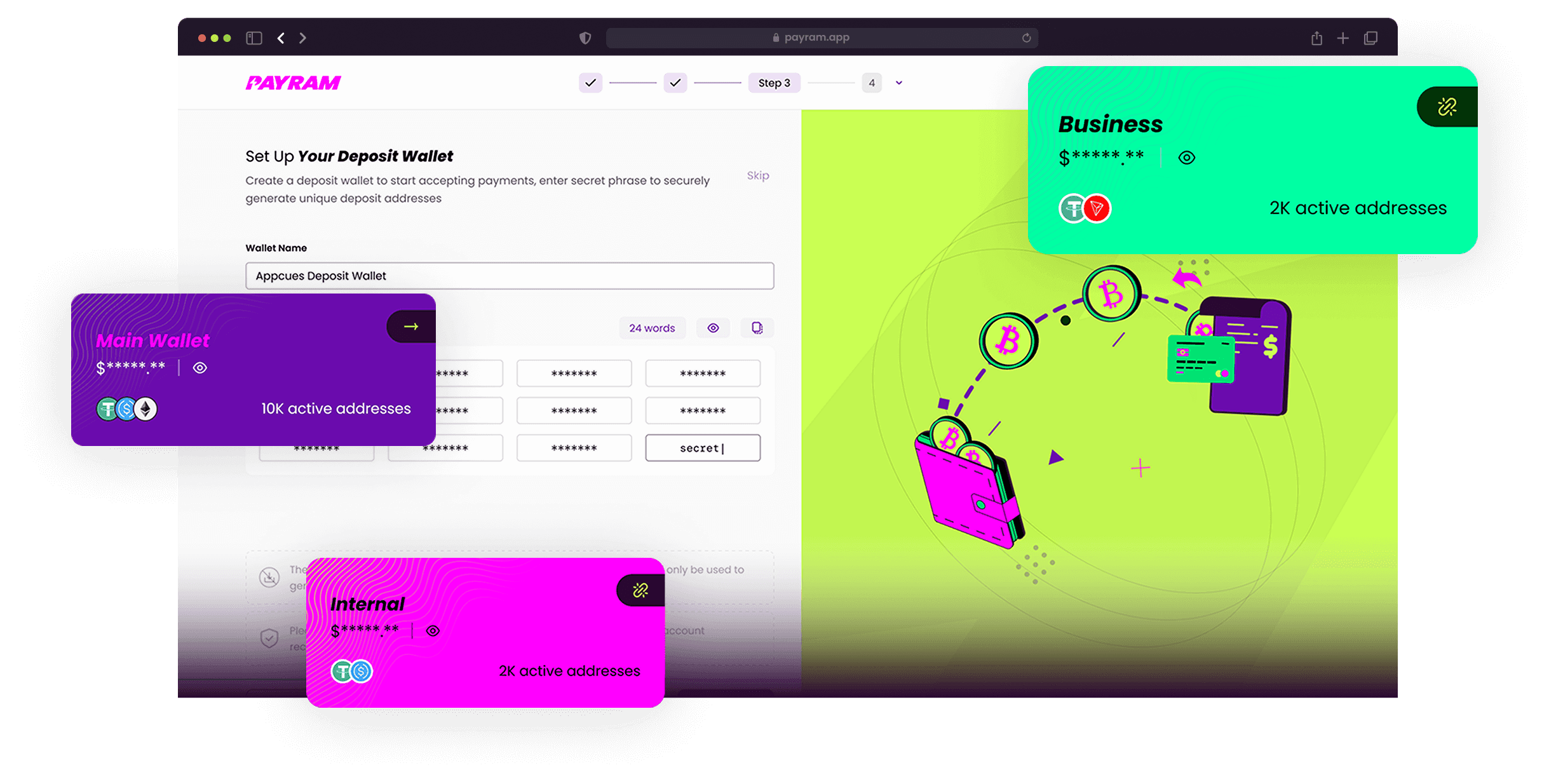


PayRam is a self-hosted stablecoin payments gateway that empowers merchants with full custody of their funds by eliminating third-party intermediaries. Designed for the agentic commerce era, it enables AI agents and businesses to accept Visa card payments converted to USDC without signup or KYB, making it ideal for crypto-native merchants seeking decentralized, wallet-to-wallet settlements.

描述
PayRam empowers businesses to accept secure, anonymous, no-KYC crypto payments. Cut fees to 0.5% & bypass bans with PayRam’s self hosted crypto payment processor. Businesses keep full control of their payments, eliminate middlemen, and operate globally, with zero third-party risks.
详细描述
PayRam is a cutting-edge self-hosted stablecoin payments gateway designed to empower merchants with full control over their crypto payment processes, funds management, and accounting. Unlike traditional payment gateways that rely on third-party intermediaries, PayRam operates directly on the merchant's own machine, enabling a decentralized, self-custody treasury infrastructure. This approach ensures that merchants maintain complete custody of their funds, eliminating risks associated with centralized custodians or gatekeepers. PayRam is uniquely positioned for the emerging agentic commerce era, where AI agents and automated systems transact autonomously without the need for human intervention or cumbersome Know Your Business (KYB) procedures. At its core, PayRam facilitates seamless crypto payments by supporting card-to-crypto transactions. Customers can pay using widely accepted Visa cards, while merchants receive payments in USDC stablecoins directly into their wallets. This wallet-to-wallet settlement model bypasses traditional banking rails and custodial services, offering merchants enhanced security, transparency, and control over their financial flows. The platform is designed to integrate effortlessly with various Machine Commerce Protocol (MCP)-compatible agents and automation tools such as OpenClaw, Hermes, Claude, n8n, and LangChain, enabling AI-driven commerce applications to accept payments autonomously without signup or identity verification. Key features of PayRam include its self-hosted and self-custody architecture, which means merchants do not need to incorporate a company or rely on third-party services to manage their funds. The decentralized design eliminates gatekeepers and custodians, reducing operational risks and compliance burdens. PayRam's card-to-crypto payment capability allows customers to use familiar payment methods like Visa cards, while merchants receive stablecoins, facilitating easy integration into crypto-based business models. Additionally, PayRam supports comprehensive funds management and accounting functionalities, helping merchants track and reconcile transactions efficiently. Its compatibility with a wide range of MCP agents and automation platforms makes it highly adaptable for businesses leveraging AI agents or automated workflows. PayRam is best suited for merchants, developers, and businesses operating in the crypto economy who require full control over their payment infrastructure and treasury. It is ideal for those embracing the agentic commerce era, where AI agents act as economic entities capable of negotiating, paying, and managing funds autonomously. Use cases include decentralized marketplaces, AI-driven SaaS platforms, crypto-native e-commerce stores, and businesses seeking to eliminate reliance on traditional financial intermediaries. Its no-signup, no-KYB model also lowers barriers for new entrants and innovators in the blockchain payments space. Regarding pricing, PayRam emphasizes a self-hosted model, which typically involves no recurring subscription fees but requires merchants to manage their own infrastructure and wallet security. This model contrasts with SaaS-based custodial payment gateways that charge transaction fees or monthly plans. While specific pricing details are not publicly disclosed, the self-hosted approach allows merchants to avoid costly intermediaries and retain full control over their funds, potentially reducing overall costs. Compared to alternative payment gateways, PayRam stands out by offering a decentralized, self-custody solution tailored for the agentic commerce era. Unlike platforms that require company incorporation, KYB, or custodial wallets, PayRam enables direct wallet-to-wallet settlements and supports card-to-crypto payments without gatekeepers. Its integration with MCP-compatible AI agents and automation tools further differentiates it from traditional crypto payment processors. However, this self-hosted model may require technical expertise to deploy and maintain, which could be a consideration for merchants without in-house development resources. Notable limitations include the need for merchants to securely manage their own wallets and infrastructure, which introduces operational responsibilities and security risks if not handled properly. Additionally, while PayRam supports Visa card payments converting to USDC, it may have limited support for other card networks or fiat currencies at this stage. As a relatively new platform focused on decentralized payments, it may also have fewer out-of-the-box integrations or customer support resources compared to established SaaS payment providers. Prospective users should evaluate their technical capacity and compliance requirements before adopting PayRam as their primary payment gateway solution.
工具功能
- Self-hosted and self-custody, funds settle wallet to wallet
- No company incorporation needed
- Card-to-crypto payments: customers pay with Visa, merchants receive USDC
- Works with OpenClaw, Hermes, Claude, n8n, LangChain, and any MCP-compatible agent
- Designed for agentic commerce era and AI agent payments
- Decentralized approach with no third-party intermediaries
- Supports crypto payments, funds management, and accounting
描述
PayRam is a self-hosted stablecoin payments gateway that empowers merchants with full custody of their funds by eliminating third-party intermediaries. Designed for the agentic commerce era, it enables AI agents and businesses to accept Visa card payments converted to USDC without signup or KYB, making it ideal for crypto-native merchants seeking decentralized, wallet-to-wallet settlements.
PayRam empowers businesses to accept secure, anonymous, no-KYC crypto payments. Cut fees to 0.5% & bypass bans with PayRam’s self hosted crypto payment processor. Businesses keep full control of their payments, eliminate middlemen, and operate globally, with zero third-party risks.
详细描述
PayRam is a cutting-edge self-hosted stablecoin payments gateway designed to empower merchants with full control over their crypto payment processes, funds management, and accounting. Unlike traditional payment gateways that rely on third-party intermediaries, PayRam operates directly on the merchant's own machine, enabling a decentralized, self-custody treasury infrastructure. This approach ensures that merchants maintain complete custody of their funds, eliminating risks associated with centralized custodians or gatekeepers. PayRam is uniquely positioned for the emerging agentic commerce era, where AI agents and automated systems transact autonomously without the need for human intervention or cumbersome Know Your Business (KYB) procedures. At its core, PayRam facilitates seamless crypto payments by supporting card-to-crypto transactions. Customers can pay using widely accepted Visa cards, while merchants receive payments in USDC stablecoins directly into their wallets. This wallet-to-wallet settlement model bypasses traditional banking rails and custodial services, offering merchants enhanced security, transparency, and control over their financial flows. The platform is designed to integrate effortlessly with various Machine Commerce Protocol (MCP)-compatible agents and automation tools such as OpenClaw, Hermes, Claude, n8n, and LangChain, enabling AI-driven commerce applications to accept payments autonomously without signup or identity verification. Key features of PayRam include its self-hosted and self-custody architecture, which means merchants do not need to incorporate a company or rely on third-party services to manage their funds. The decentralized design eliminates gatekeepers and custodians, reducing operational risks and compliance burdens. PayRam's card-to-crypto payment capability allows customers to use familiar payment methods like Visa cards, while merchants receive stablecoins, facilitating easy integration into crypto-based business models. Additionally, PayRam supports comprehensive funds management and accounting functionalities, helping merchants track and reconcile transactions efficiently. Its compatibility with a wide range of MCP agents and automation platforms makes it highly adaptable for businesses leveraging AI agents or automated workflows. PayRam is best suited for merchants, developers, and businesses operating in the crypto economy who require full control over their payment infrastructure and treasury. It is ideal for those embracing the agentic commerce era, where AI agents act as economic entities capable of negotiating, paying, and managing funds autonomously. Use cases include decentralized marketplaces, AI-driven SaaS platforms, crypto-native e-commerce stores, and businesses seeking to eliminate reliance on traditional financial intermediaries. Its no-signup, no-KYB model also lowers barriers for new entrants and innovators in the blockchain payments space. Regarding pricing, PayRam emphasizes a self-hosted model, which typically involves no recurring subscription fees but requires merchants to manage their own infrastructure and wallet security. This model contrasts with SaaS-based custodial payment gateways that charge transaction fees or monthly plans. While specific pricing details are not publicly disclosed, the self-hosted approach allows merchants to avoid costly intermediaries and retain full control over their funds, potentially reducing overall costs. Compared to alternative payment gateways, PayRam stands out by offering a decentralized, self-custody solution tailored for the agentic commerce era. Unlike platforms that require company incorporation, KYB, or custodial wallets, PayRam enables direct wallet-to-wallet settlements and supports card-to-crypto payments without gatekeepers. Its integration with MCP-compatible AI agents and automation tools further differentiates it from traditional crypto payment processors. However, this self-hosted model may require technical expertise to deploy and maintain, which could be a consideration for merchants without in-house development resources. Notable limitations include the need for merchants to securely manage their own wallets and infrastructure, which introduces operational responsibilities and security risks if not handled properly. Additionally, while PayRam supports Visa card payments converting to USDC, it may have limited support for other card networks or fiat currencies at this stage. As a relatively new platform focused on decentralized payments, it may also have fewer out-of-the-box integrations or customer support resources compared to established SaaS payment providers. Prospective users should evaluate their technical capacity and compliance requirements before adopting PayRam as their primary payment gateway solution.
常见问题
What is PayRam?
PayRam is a self-hosted stablecoin payments gateway that runs on the merchant's machine, enabling crypto payments, funds management, and accounting without relying on third-party intermediaries. It supports card-to-crypto payments where customers pay with Visa and merchants receive USDC stablecoins.
How much does PayRam cost?
PayRam operates on a self-hosted model, so there are typically no subscription fees. Merchants manage their own infrastructure and wallets, which may involve operational costs but eliminates fees associated with custodial services or intermediaries. Specific pricing details are not publicly disclosed.
Who is PayRam best for?
PayRam is best suited for merchants, developers, and businesses in the crypto economy who want full control over their payment infrastructure and treasury. It is ideal for those leveraging AI agents or automated workflows in the agentic commerce era and seeking decentralized, self-custody payment solutions.
What are the main features of PayRam?
Key features include self-hosted and self-custody wallet-to-wallet settlements, no company incorporation or KYB requirements, card-to-crypto payments converting Visa transactions to USDC, integration with MCP-compatible AI agents and automation tools, and decentralized funds management and accounting.
Does PayRam offer a free trial?
As a self-hosted platform, PayRam does not operate on a traditional subscription or trial model. Merchants can deploy and test the gateway on their own infrastructure without signup or fees, effectively allowing them to try the software freely.
What integrations does PayRam support?
PayRam integrates with various MCP-compatible agents and automation platforms including OpenClaw, Hermes, Claude, n8n, and LangChain, enabling AI-driven commerce applications to accept crypto and card-to-crypto payments autonomously.
How does PayRam work?
PayRam runs directly on the merchant's machine, enabling wallet-to-wallet settlements without intermediaries. Customers pay using Visa cards, and PayRam converts these payments into USDC stablecoins sent directly to the merchant's wallet. It supports AI agents and automation tools to facilitate autonomous payments without signup or KYB.
社交媒体
使用工具评价
暂无评价。成为第一个分享使用体验的人。