

最新 AI 资讯

Starbucks to Set Up First India GCC in Chennai, Create 800 Tech Jobs
The Chennai centre will operate independently of Starbucks’ retail joint venture with Tata Consumer Products.
View

Semiconductor Startup Aheesa Unveils Vihaan-I Broadband Chip, Targets 2027 Commercialisation
Aheesa’s Vihaan-I chip is built on the open-standard RISC-V architecture and uses the indigenous VEGA processor developed by C-DAC.
View
Enterprise AI is Turning Model Choice Into a Routing Problem
As AI agents scale, enterprises are finding that one model cannot economically handle every request.
View

Hacktron Used Claude Opus 5 to Reach OpenAI Internal Repository
Security researchers said Claude helped them turn a libheif vulnerability into a working exploit that was later used to reach an OpenAI employee account and an internal repository.
View

ASML Begins India Operations, Links Expansion to Tata Electronics Fab
Semiconductor equipment maker ASML plans to initially hire 20–30 engineering graduates as Tata Electronics develops its Dholera chip fab.
View

Anthropic Weighs New AI Model as OpenAI’s GPT-6 Astra Gains Ground
The discussions come as Anthropic weighs competitive pressure against its safety commitments.
View

OpenAI Says AGI is Here. But Not Everyone is Buying It
The argument for AGI rests less on Astra being better at one task and more on its ability to operate across a range of intellectual and professional tasks.
View
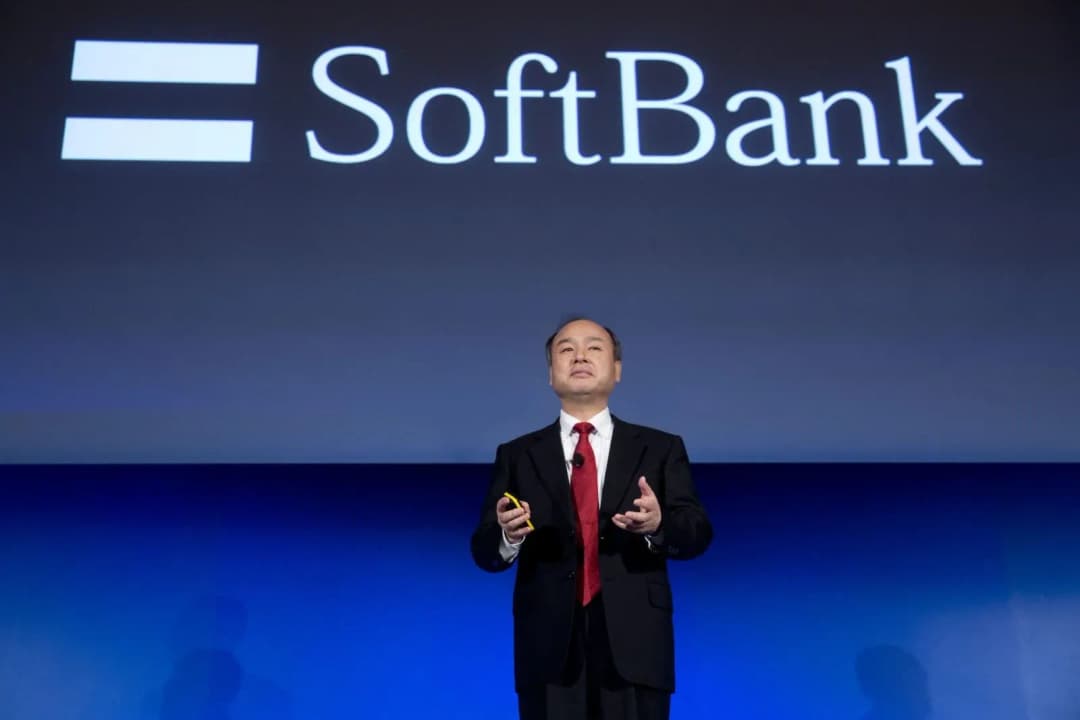
SoftBank Seeks More Than $11 Bn in Bonds to Fund OpenAI Investment
SoftBank is expanding its debt financing as it prepares for a follow-on investment in the ChatGPT maker, expected to close next month.
View
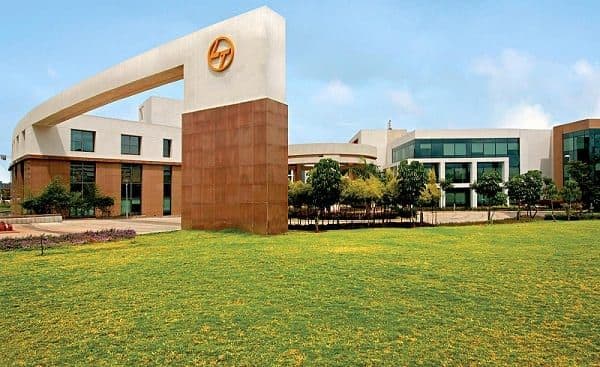
L&T Semiconductor, Tata Electronics to Expand Indigenous Chip Manufacturing in India
The collaboration aims to build domestic design and manufacturing capabilities for next-generation semiconductor products.
View
Apple Cuts Jobs in Fitness+ Team in Second Layoff Round in 2 Months: Report
Weeks ago, the company reportedly cut more than 200 positions across Vision Pro, Siri and software engineering.
View
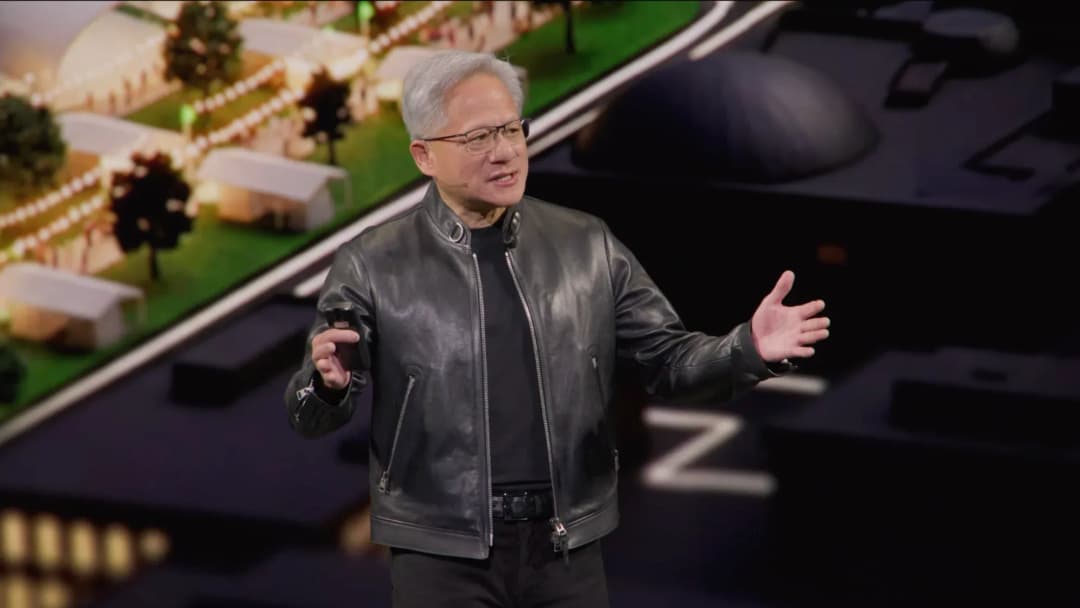
Jensen Huang Says AI Leaders May Have 'Ulterior Reasons' for Doomsday Warnings
NVIDIA CEO Jensen Huang rejected predictions that AI could bring about humanity's end by 2030.
View
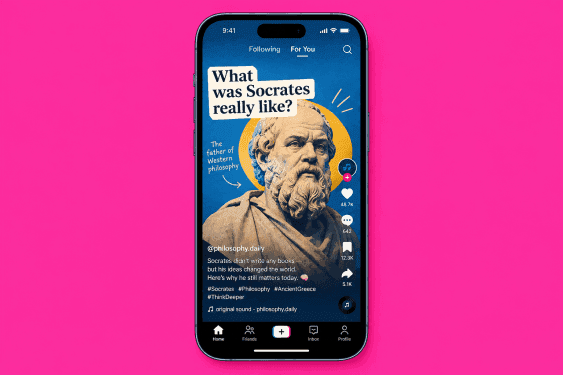
ScrollEd wants to turn textbooks into TikTok
Society has spent a lot of time bemoaning our digitally addled minds and goldfish-like attention spans, pointing the finger of blame at doomscrolling as the reason we can’t just sit down and read a book or study for exams. But what if the solution isn’t to stop scrolling, but to rethink what we’re scrolling through? That’s the bet startupScrollEdis making. The Palo Alto-based startup is pitching in the TechCrunch Disrupt Startup Battlefield 200 competition with the novel idea that if students won’t open a textbook, the textbook should open itself up to them — as a scroll. ScrollEd has built an app that allows the user to turn any text file — including dry PDFs or text books — into a feed that feels a lot like Instagram Reels or TikTok. As you scroll, the content shows up as AI-generated video, audio, text, or even interactive quizzes. Swiping up surfaces a new topic, while swiping sideways lets you go deeper into the one you’re on, with a quiz waiting for you at the end. “The younger generation is increasingly going short form, vertical feed only (especially the 18 year olds we’ve spoken to!), and this poses challenges for any kind of media that requires depth,” Utsav Gupta, ScrollEd’s co-founder, told TechCrunch in an email. “We want to meet them where they are…We just have to be deliberate about how we use it and choose not to maximize engagement on the platform.” “A short video can make you curious; following that curiosity can mean searching for another explanation or leaving the app,” Gupta continued. “We wanted going deeper to be as easy as moving to the next video.” Gupta bootstrapped ScrollEd this year alongside his co-founder and wife Rebecca Neff after the two both noticed feeling dissatisfied after doomscrolling before bed. Both are students — Gupta studies AI and human purpose at Stanford, and Neff studies computer science at the University of Pennsylvania. The startup is targeting educational institutions, corporate training programs, and individuals who “just want something better to scroll on,” according to Gupta. The company will launch its consumer business at Disrupt. (“We’re hoping to ‘disrupt’ social media and short form!” Gupta joked.) ScrollEd is following a freemium model, combining a free consumer feed with a paid ScrollEd Pro subscription and annual institutional licenses. Institutions pay to deliver educational material through the platform, in exchange for reports about engagement, lesson progress, and other data. In the coming months, ScrollEd intends to focus on its consumer launch, building its lesson library and source-checking workflow, and developing pilots for institutions. The startup is also building infrastructure that will one day allow educators to assess individual learners and adapt to their needs. “The ambition is a social network that’s better for you,” Gupta said. Check out ScrollEd and the other smart startups that TC’s editorial team has vetted and you’ll want to check out atTechCrunch Disrupt, coming up October 13-15 in downtown San Francisco. You can find many more details, and tickets,right here.