🚀 Zaprep: Your Socials on Steroids. 免费开始 — 每月自动发送 1,000 条私信,将互动转化为潜在客户。 ,每月 1,000 条自动私信。
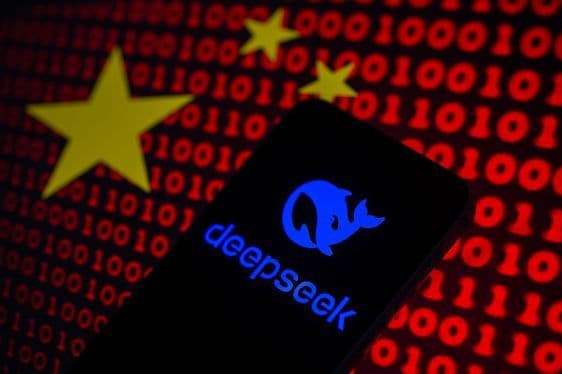
Anthropic isaccusingthree Chinese AI companies of setting up more than 24,000 fake accounts with its Claude AI model to improve their own models. The labs —DeepSeek,Moonshot AI, andMiniMax— allegedly generated more than 16 million exchanges with Claude through those accounts using a technique called “distillation.” Anthropic said the labs “targeted Claude’s most differentiated capabilities: agentic reasoning, tool use, and coding.” The accusations come amid debates over how strictly to enforce export controls on advanced AI chips, a policy aimed at curbing China’s AI development. Distillation is a common training method that AI labs use on their own models to create smaller, cheaper versions, but competitors can use it to essentially copy the homework of other labs. OpenAI sent a memo to House lawmakers earlier this month accusing DeepSeek of using distillation to mimic its products. DeepSeek firstmade wavesa year ago when it released its open-source R1 reasoning model that nearly matched American frontier labs in performance at a fraction of the cost. DeepSeek is expected to soon release DeepSeek V4, its latest model, whichreportedlycan outperform Anthropic’s Claude and OpenAI’s ChatGPT in coding. The scale of each attack differed in scope. Anthropic tracked more than 150,000 exchanges from DeepSeek that seemed aimed at improving foundational logic and alignment, specifically around censor-ship safe alternatives to policy-sensitive queries. Moonshot AI had more than 3.4 million exchanges targeting agentic reasoning and tool use, coding and data analysis, computer-use agent development, and computer vision. Last month, the firmreleaseda new open source model Kimi K2.5 and a coding agent. MiniMax’s 13 million exchanges targeted agentic coding and tool use and orchestration. Anthropic said it was able to observe MiniMax in action as it redirected nearly half its traffic to siphon capabilities from the latest Claude model when it was launched. Anthropic says it will continue to invest in defenses that make distillation attacks harder to execute and easier to identify, but is calling on “a coordinated response across the AI industry, cloud providers, and policymakers.” The distillation attacks come at a time whenAmerican chip exportsto China are still hotly debated. Last month, the Trump administration formally allowed U.S. companies like Nvidia toexport advanced AI chips(like the H200) to China. Critics have argued that this loosening of export controls increases China’s AI computing capacity at a critical time in the global race for AI dominance. Anthropic says that the scale of extraction DeepSeek, MiniMax, and Moonshot performed “requires access to advanced chips.” “Distillation attacks therefore reinforce the rationale for export controls: restricted chip access limits both direct model training and the scale of illicit distillation,” per Anthropic’s blog. Dmitri Alperovitch, chairman of the Silverado Policy Accelerator think-tank and co-founder of CrowdStrike, told TechCrunch he’s not surprised to see these attacks. “It’s been clear for a while now that part of the reason for the rapid progress of Chinese AI models has been theft via distillation of US frontier models. Now we know this for a fact,” Alperovitch said. “This should give us even more compelling reasons to refuse to sell any AI chips to any of these [companies],which would only advantage them further.” Anthropic also said distillation doesn’t only threaten to undercut American AI dominance, but could also create national security risks. “Anthropic and other U.S. companies build systems that prevent state and non-state actors from using AI to, for example, develop bioweapons or carry out malicious cyber activities,” reads Anthropic’s blog post. “Models built through illicit distillation are unlikely to retain those safeguards, meaning that dangerous capabilities can proliferate with many protections stripped out entirely.” Anthropic pointed to authoritarian governments deploying frontier AI for things like “offensive cyber operations, disinformation campaigns, and mass surveillance,” a risk that is multiplied if those models are open-sourced. TechCrunch has reached out to DeepSeek, MiniMax, and Moonshot for comment.
View

The partnership will build industry-specific AI solutions that transform manual, fragmented processes into autonomous workflows.
View

Bhavish Aggarwal-led Krutrim's absence from the India AI Impact Summit is hard to ignore.
View
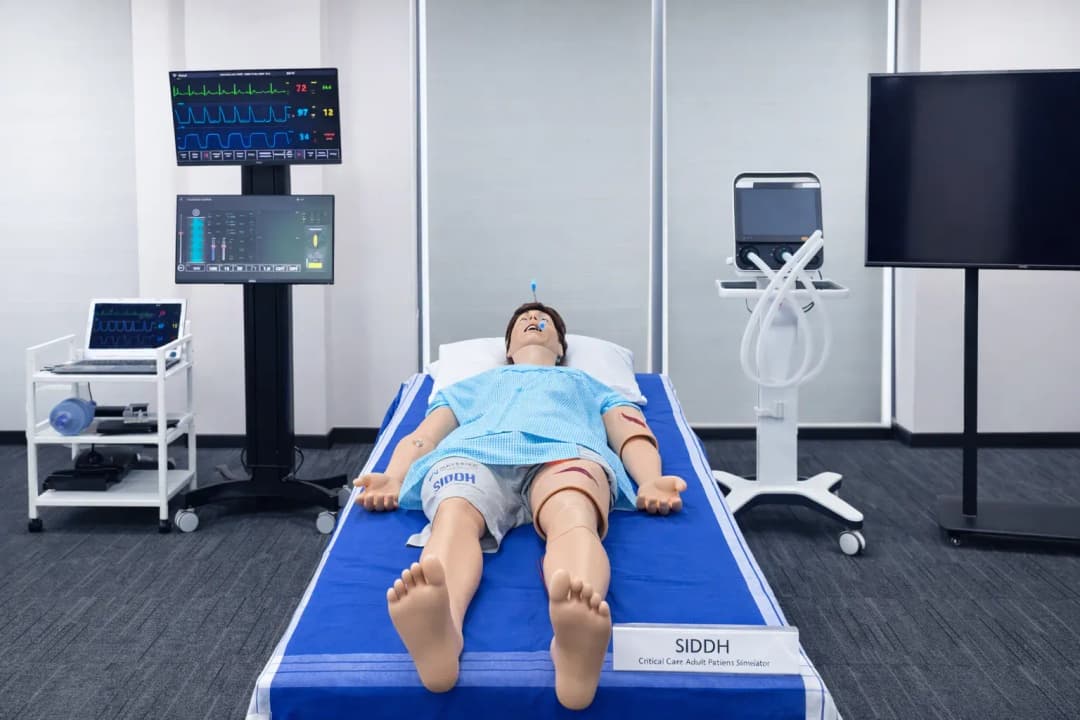
Designed to replicate real-world ICU scenarios, SIDDH enables immersive, high-accuracy training for doctors and critical care teams.
View
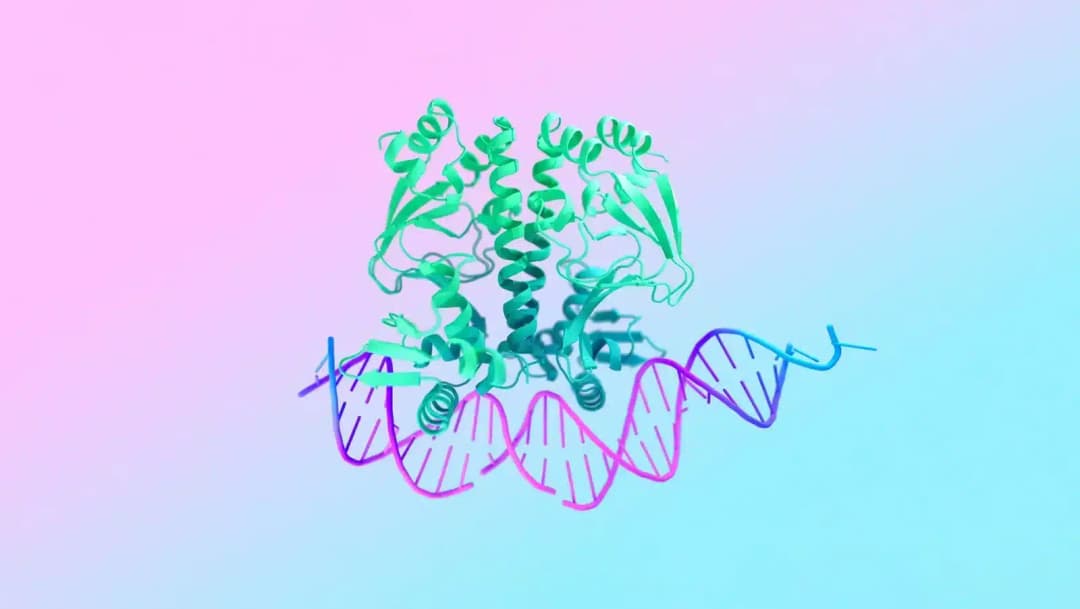
Bioindustrial biotechnology emerged as the fastest-growing segment, reaching $11.46 billion in 2025.
View
From foundational models to applied platforms, domestic builders are creating an end-to-end AI ecosystem rooted in Indian data and needs.
View
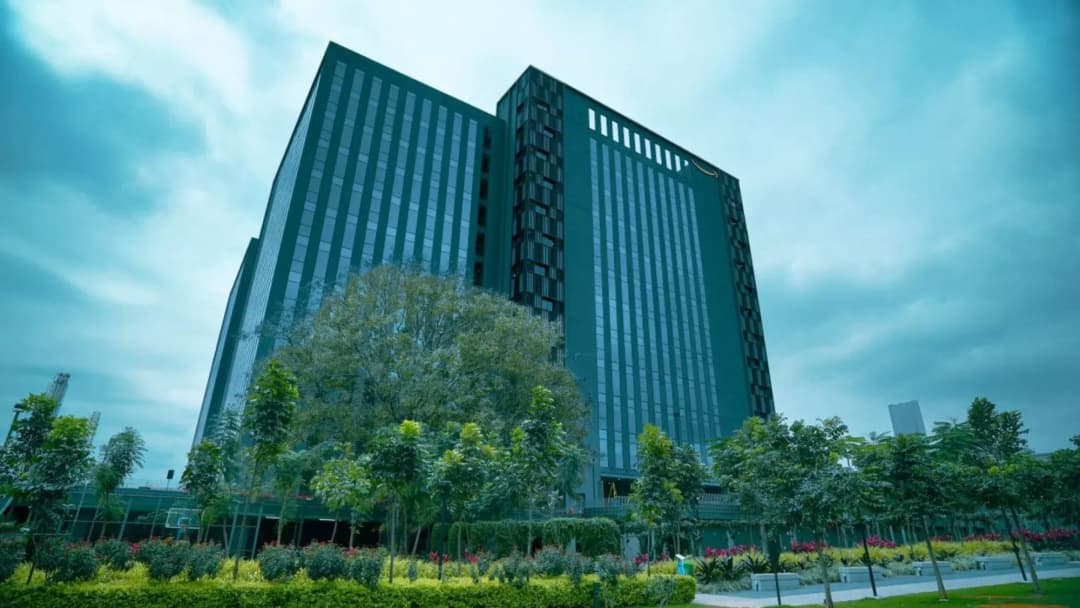
The 1.1 million square feet campus, spread across 12 floors on a five-acre site, can accommodate more than 7,000 employees.
View
LTM’s pact with a European medtech marks its first win after the rebrand.
View
Industry voices repeatedly stress skills evolution, AI literacy and the accelerating pace of learning.
View
The Tech Mahindra CIO spoke to AIM about Project Indus and why the company decided to outsource heavier compute.
View
Orbia’s Pune GCC houses roughly one-third of its global IT talent pool.
View
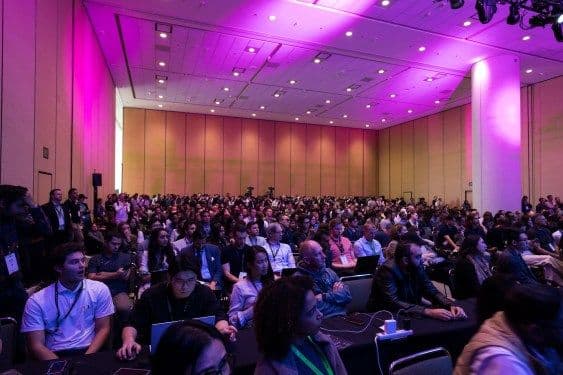
We are officially down to the final 5 days tosave up to $680on yourTechCrunch Disrupt 2026ticket. These lowest rates of the year disappear on February 27 at 11:59 p.m. PT. If you’ve been mapping out your 2026 tech event calendar, this isn’t the moment to wait.Register now to lock in your savings before prices increase. Each year,Disruptbrings together 10,000+ founders, tech leaders, and VCs at San Francisco’s Moscone West. From October 13–15, you’ll gain valuable takeaways and curated networking opportunities designed to elevate your startup trajectory, accelerate your career, or strengthen your portfolio. Last year, Disrupt featured 200+ onstage conversations with 250+ top voices shaping the tech ecosystem. Expect the same level of powerful, candid conversations this year. Highlights from 2025 include the following: Keep an eye on theevent pageas we roll out the 2026 agenda. Last year, more than 20,000 curated meetings took place across three days. This year, we’re rolling out improved networking technology to make those connections even more targeted and efficient. Meet the one person who can change the trajectory of your startup. It only takes one. You get: Startup Battlefieldis where 200 TechCrunch-selected, pre-Series A startups compete for $100,000 in equity-free funding, global visibility, and direct access to the industry’s top investors. This iconic pitch competition has helped launch breakout companies like Discord, Cloudflare, and Trello. Over 300 startup exhibitorswill showcase innovations across the venue, especially in the Expo Hall, where foot traffic converges. Discover tomorrow’s breakthroughs and today’s solutions — all in one place. Throughout Disrupt Week, October 11–17, TechCrunch Disrupt Side Events will take place across the Bay Area beyond the main venue. Attend a post-event cocktail hour, grab breakfast before the day begins, or even host your own off-site panel. The opportunities to make powerful connections around Disrupt are endless. Five days remain to lock in the lowest rate of the year. Prices increase after February 27 at 11:59 p.m. PT.Register nowand secure your savings of up to $680 before they’re gone. Save up to 30% ongroup passes.
View

