🚀 Zaprep: Your Socials on Steroids. 免费开始 — 每月自动发送 1,000 条私信,将互动转化为潜在客户。 ,每月 1,000 条自动私信。

With the acquisition, Quest Global brings aboard BITSILICA's end-to-end chip design and verification capabilities.
View

Rocket claims over 1.5 million users across 180 countries and is backed by investors including Salesforce Ventures, Accel, and Together Fund.
View

AI may be changing how work gets done, but the layoffs sweeping the sector today are less about tech replacing humans.
View

Chirugudu said he has joined Tessolve at a time when the semiconductor industry is moving towards complex, AI-driven systems.
View
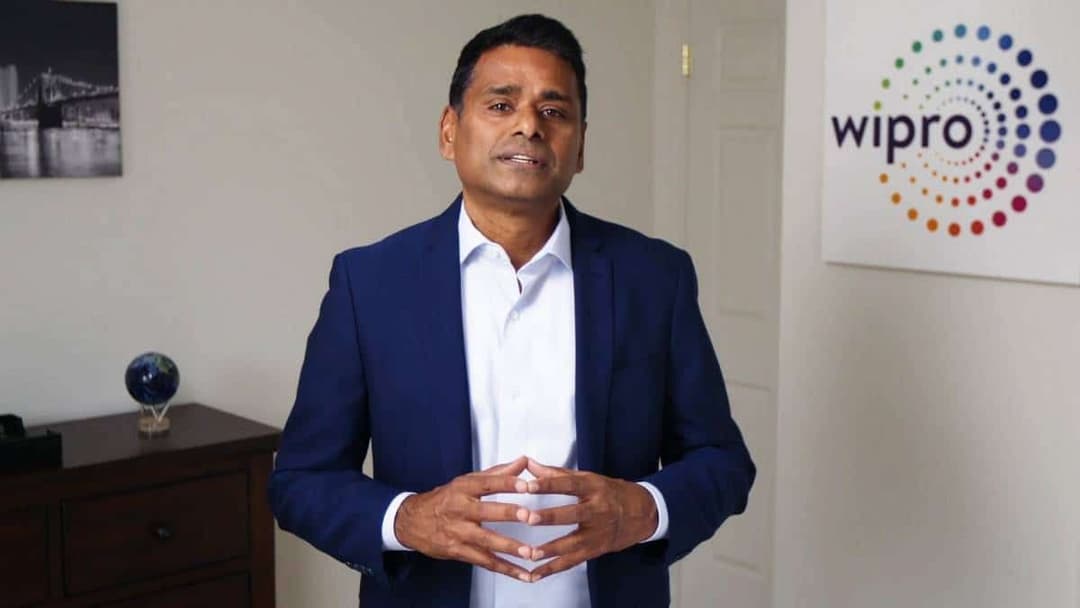
Captive buyouts, platform IP, and AI-led models signal a shift beyond headcount-driven growth.
View
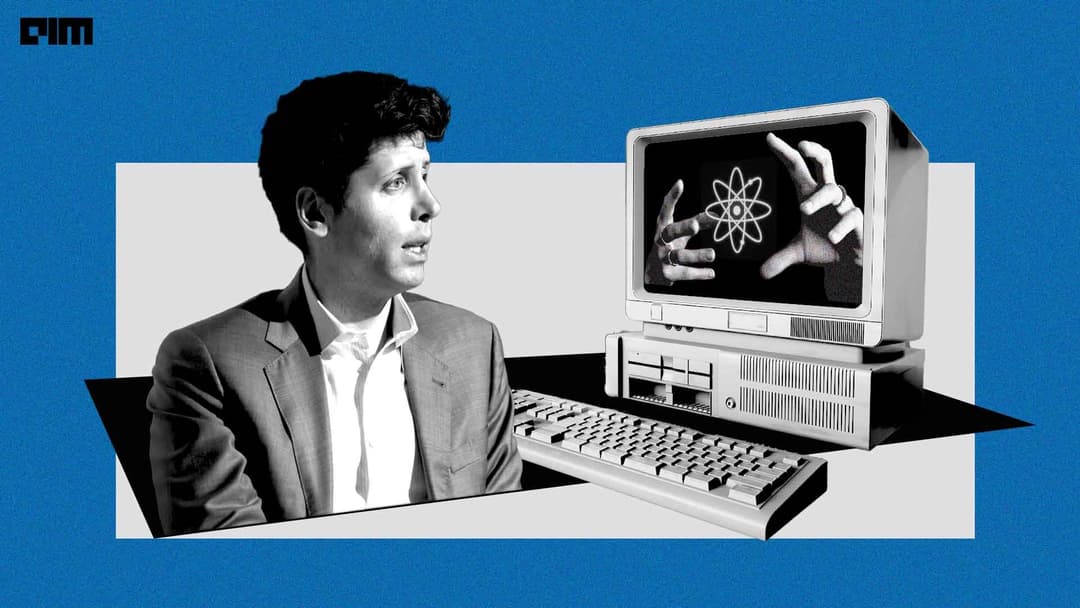
This follows a February 2026 escalation when OpenAI formally warned US lawmakers that DeepSeek was attempting to replicate American AI systems.
View

Indian startupRocketis betting that the next big opportunity is the part before vibe coding: having AI help people decide what to build. It has launched a platform that produces consulting-style product strategies. The startup, based in Surat, India, on Tuesday launched its platform, Rocket 1.0, which connects research, product building, and competitive intelligence in a single workflow. The platform generates detailed product strategy documents — including pricing, unit economics, and go-to-market recommendations. As AI-powered coding tools proliferate — from platforms likeCursor,Replit, andLovableto features such asClaude CodeandCodex— writing code has become significantly easier and faster. “Everyone can generate the code now… it has become a commodity. But what to build is something which everyone is missing,” said Rocket co-founder and CEO Vishal Virani (pictured above), adding that “running a business and just building a codebase are two different things.” TechCrunch briefly tested Rocket’s platform ahead of its launch and found that it generated product requirement documents in PDF format from simple prompts. These documents resemble consulting-style reports rather than vibe coding tools or chatbots, which largely focus on features and execution. However, some of the analysis appeared to be synthesized from existing data — combining known pricing models, user behavior patterns, and competitive insights — rather than based on independently verifiable information. This suggests users may still need to validate outputs before making business decisions. Virani said the platform can offer human support when users encounter issues. The product can also track competitors, including changes to their websites and traffic trends. Rocket draws on more than 1,000 data sources for its analysis, including Meta’s ad libraries, Similarweb’s API, and its own crawlers, Virani said. Rocket’s subscription plans range from $25 per month for building applications to $250 for strategy and research capabilities, and up to $350 for the full platform, including competitive intelligence. The $250 plan can generate two to three “McKinsey-grade” research reports alongside product builds, Virani told TechCrunch, positioning its higher-tier offerings as a lower-cost alternative to traditional consulting, which often costs thousands of dollars for similar strategy work. Rocket raised a$15 million seed roundin September from Accel, Salesforce Ventures, and Together Fund. Since then, the startup says it has grown from 400,000 to over 1.5 million users across 180 countries. It also reported an annualized average revenue per user in the ~$4,000 range, though it did not disclose detailed paying customer numbers. The startup said it operates at gross margins of over 50%, with 20–30% of its customers being small- and medium-sized businesses. Rocket has a team of 57 employees and is headquartered in Surat, with operations in Palo Alto.
Cursor said warp decode assigns each GPU warp to compute one output, eliminating MoE overhead.
View

Anthropic also secured additional compute from Google to support Claude and enterprise demand.
View
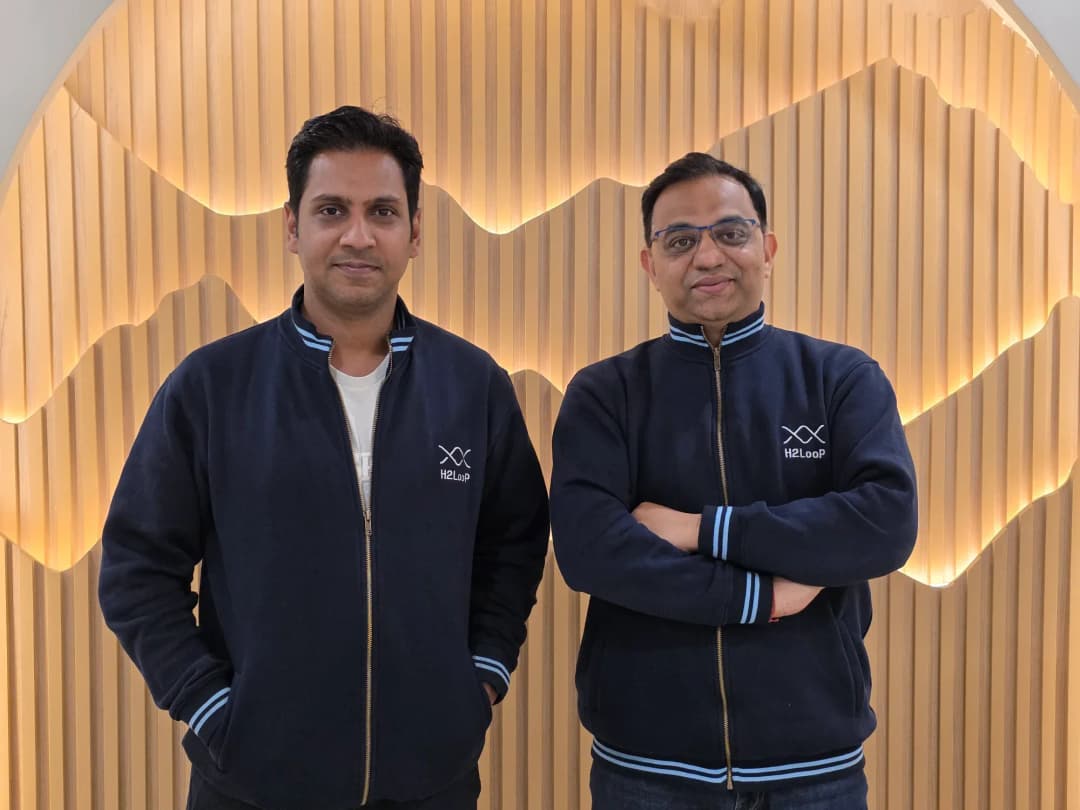
H2Loop will use the funding for large-scale enterprise implementations across data centres, UAVs, and robotics.
View

Consumers, especially in the BFSI sector, are increasingly rejecting IVRs that sound more robotic. Now, firms are closing in on this gap by building voice AI models that interact just like humans.
View

The Income Tax Return (ITR) season in India officially starts in April. While taxpayers have until July 31 to complete filing out the previous financial year's earnings, it is always better to fill out the details as soon as possible. However, the tax season also comes with its fair share of complexities, leaving salaried employees racing to gather their investment proofs, while freelancers hunt for their invoices. Investors also struggle to reflect on the tax implications of the trades they made months ago.
View
View

