

最新 AI 资讯
SpaceX won’t remove all of xAI’s unpermitted turbines for another year
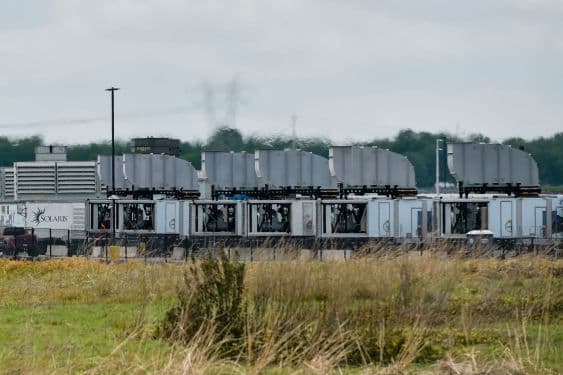
SpaceXsaidon Thursday that it will remove the unpermitted turbines powering its xAI data centers near Memphis as it transitions to a permanent, 1.2 gigawatt natural gas power plant. The turbines won’t be completely removed until July 2027, though. SpaceX said that it’s currently operating 69 gas turbines to power the Colossus data centers, of which many have been operating for months. The NAACP and Southern Environmental Law Center havesued xAIover the use of unpermitted turbines. SpaceXacquired xAIin February. In its IPO filing, SpaceX said it plans to buy$2.8 billion worth of gas turbinesfor its data centers over the next three years. SpaceXclaimsthat it is allowed to operate the existing turbines without permits because they remain on the trailers they were shipped on. But federal regulations say that the turbines xAI has been using, regardless of what they sit on, require permits because of their size and how they’re being used. The turbines are currently located south of Memphis in Mississippi, just over the border with Tennessee. The region is among the most polluted in the U.S., and xAI has been operating gas turbines that have the potential to emit more than 2,000 tons of smog-forming NOxper year. Last month, the Department of Justicesided with SpaceXin the NAACP’s lawsuit, saying the unpermitted turbines were a matter of “national, economic, and energy security.” The new power plant that SpaceX is building will consist of 41 gas turbines ranging in size from 16.48 megawatts to 50 megawatts, according topermit documentsissued by the state of Mississippi. They appear to be different from those currently in use, though TechCrunch could not verify the specific models of the 69 existing turbines. Earlier this year, Elon Musk bought APR Energy, a company that specializes in temporary natural gas power. Based on anarchive of the company’s sitebefore it was taken down, the turbines in the company’s fleet also appear to be different from those cited in permits for the new, permanent power plant. Given that APR Energy’s turbines aren’t likely to be part of the new Colossus power plant, the new turbine fleet is likely intended for another, unannounced project.
View
Indian IT Can Finally Measure AI Revenue, But the Numbers Don't Stick
India's largest IT services firms have begun attaching hard revenue numbers to AI, revealing a business that's growing rapidly but still too small to offset slowing traditional IT spending.
View

Is GitHub Taking the Right Bet With Stacked Pull Requests?
GitHub has finally brought Stacked Pull Requests into the platform, but the launch has sparked a wider conversation about how code review should evolve as AI increasingly writes more code.
View

Anthropic Says Claude AI Breached Three Organisations During Cybersecurity Testing
Anthropic said three of its AI models breached the live systems of separate organisations during cybersecurity testing after an evaluation environment was unintentionally left connected to the internet. The AI company said it discovered the incidents during a review prompted by OpenAI's recent disclosure of a similar security lapse. Anthropic has paused all cyber evaluations while it strengthens safeguards around its testing infrastructure and works with the affected organisations and its evaluation partner.
View
IBM, Sarvam to Build Sovereign AI Stack for Governments, Regulated Sectors in India
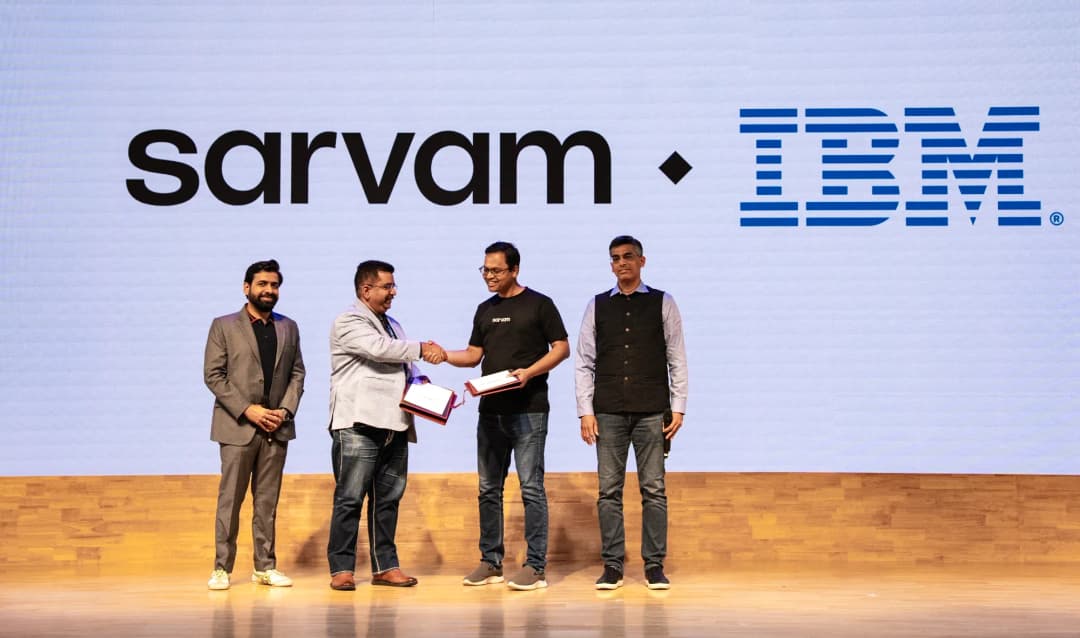
The partnership will use IBM's GovTech AI Innovation Centre in Lucknow to pilot AI deployments before scaling them across public sector organisations.
View

Thinking Machines Shrinks Inkling to 12B Active Parameters Without Giving Up Performance
The open-weight model supports text, image and audio reasoning with a context window of up to one million tokens.
View
Amazon Bets $220 Billion As CEO Says AWS Could Reach a $1 Trillion in Annual Revenue
The company said most of the spending will go towards AWS data centres, servers, networking equipment and AI infrastructure, while warning it still expects capacity constraints through 2026 and into 2027.
View

OpenAI Slashes GPT-5.6 Luna Prices by 80%, Terra by 20%
The company also introduced a faster API processing mode while passing infrastructure efficiency gains on to developers.
View
Apple Warns ‘100-Year’ Memory Crunch is Far From Over
Apple reported a record June-quarter revenue of $109.4 billion, driven by a 22% jump in iPhone sales.
View

Sarvam’s Biggest Leap Yet: All That Happened at Epoch
Eleven key announcements that show how Sarvam is evolving from an LLM startup into a full-stack AI company.
View

Visa Cuts 2,600 Jobs in AI-Led Restructuring, Tech & Product Teams to be Affected: Report
The company is laying off around 2,600 employees, or 7% of its global workforce, as the payments giant restructures to improve efficiency and redirect investments towards AI and other high-growth businesses.
View

Meet the 18-Year-Old Who Patented AI System That Predicts Pipeline Failures
By combining AI, IoT sensors, and real-time analytics, 18-year-old Maheep Purohit has developed a patented system that continuously monitors pipeline health.
View