

最新 AI 资讯
AI code-testing startup Blacksmith’s valuation jumps almost 10x in less than a year
As AI makes coding dramatically faster, the next big challenge in software development is testing and validating all that code.Blacksmithhas raised a new $45 million round to capitalize on that shift. The Series B, led by Peak XV Partners, values Blacksmith at $550 million, up from the $60 million valuation it was assigned when it raised a$10 million Series Aless than a year ago. Existing investors GV and Y Combinator also participated, bringing the startup’s total funding to $58.5 million. Founded in 2024, Blacksmith helps companies build, test, and verify software before it reaches production. The startup now serves more than 5,000 customers, including Mercury, Supabase, Clerk, Ashby, and Expensify, up from more than 700 customers less than a year ago, co-founder and CEO Aditya Jayaprakash said in an exclusive interview. The rise of AI coding tools such as Cursor, OpenAI’s Codex, and Anthropic’s Claude Code has made it significantly easier for software teams to generate code, but the quality of AI-generated code is not a given. “Validating code is still a bottleneck, and it’s an even bigger bottleneck because people are writing even more,” Jayaprakash said. Blacksmith started as a cloud provider for continuous integration (CI) workloads, helping companies run the software builds and tests needed to validate code before it reaches production. The startup has since broadened its platform with Codesmith, an AI coding agent that can automatically fix failed code checks. Jayaprakash said Blacksmith reached a $10 million annualized revenue run rate with just 10 employees and has since grown its workforce to about 30 and grown revenue to “tens of millions of dollars.” He declined to provide a specific updated ARR figure, though did say some of its largest customers now spend more than $1 million a year on the platform. While that appears to be solid and fast progress, Blacksmith is operating in a crowded market. Its key competitors include GitHub Actions, Cursor Automations, validation capabilities baked into Codex and Claude Code, numerous other startups, and AI code-testing services offered by Amazon Web Services, Microsoft Azure, and Google Cloud. Jayaprakash said his startup is competing on the speed of testing code as well as affordability. Looking ahead, Jayaprakash said that Blacksmith plans to expand into a broader suite of coding tools, aiming to help developers write, validate, and merge software faster.
View

India is Scaling AI Skills. But the Jobs Data Is Disappearing
India is rapidly expanding AI and future-skills training, but PMKVY 4.0 has stopped tracking placements, leaving a widening gap between training and outcomes.
View
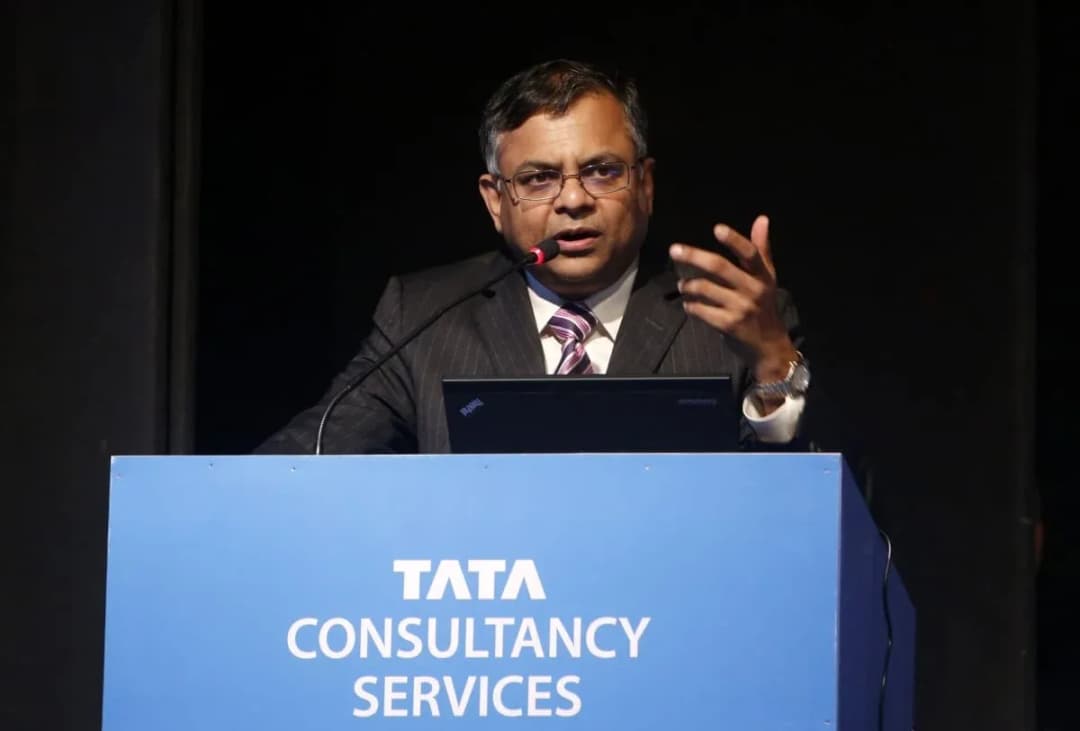
N Chandrasekaran to Step Down as Tata Sons Chairman, Won’t Seek Reappointment
N Chandrasekaran will step down as Tata Sons chairman in February 2027, ending months of uncertainty over his succession.
View

Meta’s Bold Open-Weight Bet is Meant to Muse Developers
Meta is betting that a more developer-friendly approach can help it regain ground lost to Chinese models and rebuild the ecosystem that once surrounded Llama.
View
Indian Chip Startups Nearly Match 2025’s Entire Funding Total in H1 2026
According to the report by Speciale Invest and Startup Policy Forum, it took only seven rounds to raise $61.9 million in H1 2026.
View

Coforge Launches New Business Unit Focused on Private Equity Sector
The company has launched a dedicated private equity business unit as PE firms increasingly look to technology and AI to improve portfolio-company performance, margins and valuations.
View

Lovable Raises $400 Mn to Build the AI Platform for Business Software
The company says its platform now powers more than 60 million projects and receives over 900 million monthly visits, with businesses using it to build internal tools and replace existing software.
View

Hang Ten Systems CTO Believes AI Cannot Replace Some Indian IT Assets
AI is forcing India's IT services industry to rethink the people-based billing model that has powered its growth for three decades.
View

Spotify Will Label AI-Generated Artist Profiles With New AI Persona Badge
Spotify will start labelling artist profiles that appear to represent AI-generated identities and will keep their music out of most recommendations by default. The company is introducing an AI Persona badge to help users identify profiles that do not represent real people. Artists can disclose their AI identities through Spotify for Artists, but Spotify will also review profiles itself. The labels will begin appearing from mid-September across artist pages, Search and playlist track listings, according to the company.
View
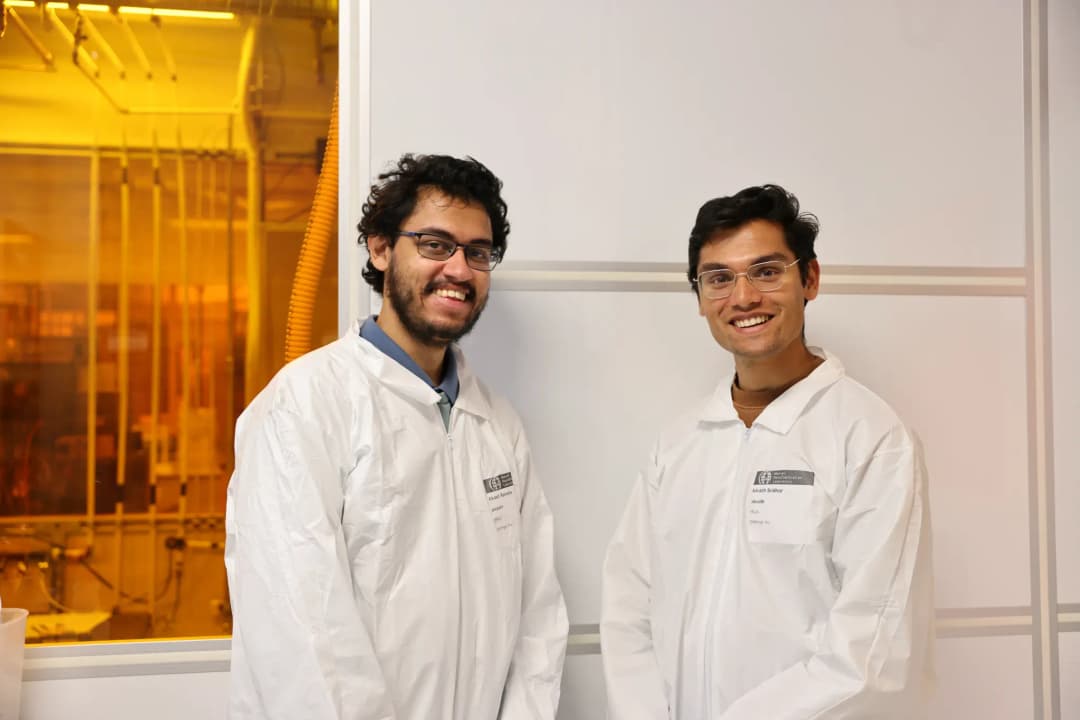
Discovered Materials Raises $9 Mn to Solve Silicon’s Overheating Problem
The round saw participation from Peak XV Partners and angels Paul Graham, Gokul Rajaram, and Thariq Shihipar.
View

Google, Lightspeed to Host AI Sprint for India’s Consumer Tech & Fintech Startups
The one-day programme will focus on making AI commercially viable, covering infrastructure, CAC, margins and deployment.
View

Quantinuum, Oracle Bring Quantum Computing to OCI
Quantinuum’s Helios will be integrated with OCI’s HPC and GPU infrastructure, giving customers a single environment to run hybrid quantum-classical workloads.
View