🚀 Zaprep: i tuoi social a pieno regime. Inizia gratis — automatizza 1.000 DM/mese e trasforma l'engagement in lead. con 1.000 DM automatizzati al mese.
Invia il tuo strumento
PoweredByAI.app è un catalogo di strumenti IA che aiuta persone, aziende e creator a scoprire i migliori strumenti di IA per scrittura, coding, design, produttività e altro.
© 2026 , Prodotto di011BQ. Tutti i diritti riservati.

YouTube introduced labels for videos created using generative AI models and tools on its video streaming platform in 2024. However, the labels appeared when the creators disclosed that they used AI-powered tools to create the content. Earlier this year, in May, the company launched its automatic AI detection tool, which flags content even if a creator does not disclose use of AI. Now, the company has introduced labels for AI-generated music for its audio streaming platform, YouTube Music, which are currently rolling out. YouTube says that it will be powered by the same automatic AI detection tools and labeling principles used for the video streaming platform.
View

Nagarro-related expenses pushed Persistent’s reported profit down 25.4%, despite 20.8% constant-currency revenue growth in Q2 FY27.
View

Tesla demonstrated the vehicle’s ability to accelerate, perform aerial manoeuvres and use a suction system to remain attached to a ramp while inverted.
View

NetApp’s latest Excellerator cohort focuses on AI software engineering, cybersecurity, workflow automation and enterprise data intelligence.
View

The facility, CapitaLand Data Centre Chennai 01, is located in Ambattur and is expected to be completed by the end of 2026.
View

Some Accenture employees reportedly spent between $500 and $1,000 a month on Claude.
View

The new open models target enterprise workflows and local AI agents, with one model claiming five times the speed of its closest competitor.
View

NeuroDx says its Sphota architecture can match models of similar size while using substantially less memory. The company plans to release the model later this year.
View

The growing demand for FDEs also reflects a persistent problem in enterprise AI, which is that a successful pilot does not necessarily translate into a reliable production system
View

The model has 42 billion active parameters and a context window of one million tokens.
View

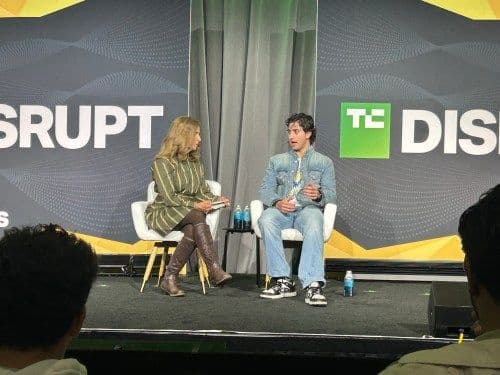
Zach Yadegari has enjoyed an immense amount of success for someone who only recently graduated from high school. Founder of the AI-fueled calorie tracking app Cal AI, Yadegari is only 19 but his company has rocketed to viral fame over the past two years. AtTechCrunch Disrupton Thursday, Yadegari shared details of that surprising rise to prominence. Cal AI, which was founded in 2024, exploded onto the internet thanks largely to Yadegari’s strategy of deploying a small army of influencers to promote the brand. The company generated over $30 million in revenue in two years and wasacquired by MyFitnessPalfor an undisclosed amount of money in March. Discussing his social strategy onstage, Yadegari noted that an early sign of success came when an influencer’s post about them led to approximately a thousand new users over the course of two days. “From there, we figured out, okay, this can actually work for us, and so we started recruiting influencers as fast as we could — paying as many people as possible to start posting for us,” he said. “What we saw was that it was a clear formula. It was pretty linear, but it was extremely fast. I guess linear in the sense that every post they did would get a certain number of viewers that would convert.” The Forbes 30 Under 30 alumnus told the audience that part of his company’s strategy was to negotiate rates with influencers, promising them certain payouts for a certain scale of reach. A lot of influencers are “broke college kids” who “just want cash,” Yadegari added. “You just ask them, okay, we’ll pay you this, but we need to get us at least this amount of use and keep posting until you get there.” Another important component of success was finding the right influencers whose reach can be quantified. “The biggest thing for us was finding influencers that had very tight communities,” the founder said. Yadegari, whose father was in the audience, also credited his family with giving him the freedom to go after his ambitions. Does he also credit higher education for his success? Not so much. “I think the only real reason to go to college is if you want to have a fun social time as a kid and be with other people,” he said, to audience laughter. Earlier this month, Yadegari also launched Persona, a new AI agent startup thathas already raised $10 million. Yadegari said the “overarching mission” with Persona is to “make computing seamless with human life.” The company’s personal AI assistant will “live anyplace with internet connection,” he said, including “iMessage, app, email, phone call.” He added that part of what distinguishes the company’s plans for this AI assistant is to build a “hardware ecosystem around” the app.

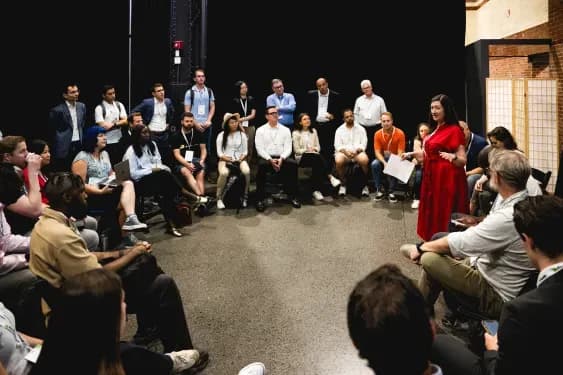
Your next funding round. Your next hire. Your next big product decision. Building a startup means making choices that can shape the business for years. Taking time to question your approach could be one of the most valuable investments you make. Savings of up to $200 end October 16 forTechCrunch Founder Summit. These savings for Founder and Investor Passes vanish after Friday. Join 1,000 founders and investors onNovember 4 at Boston’s SoWa Power Station. Bring your toughest questions and make the day count for your business. Where should you focus before raising capital? How do you know you’re ready to scale? Which hire would make the biggest difference? TheFounder Summit agendacovers fundraising, hiring, product-market fit, and building an AI native company, with practical guidance to inform your next move. Speakers includeKent Bennettof Bessemer Venture Partners,Lior Divof 7AI, andVineet Edupugantiof Cogent Security. Come with a decision you’re working through. Consider which assumptions you need to test, where your plans need strengthening, and what you want to do differently when you return to work. Founder Summit brings together founders across different stages with investors and experienced entrepreneurs. It’s an opportunity to broaden the circle of people you can learn from. Use that time purposefully. Compare challenges with another founder. Ask for a perspective you haven’t considered. Start a conversation you can continue after Boston. Founder Passes are currently $199, and Investor Passes are $399. Both include deep-dive roundtables, breakout sessions, and 1:1 and small-group networking. If Founder Summit is on your calendar,now is the time to secure your pass. Book byFriday,October 16, before these savings disappear. Get your TechCrunch Founder Summit pass
View
View