🚀 Zaprep: je socials on steroids. Start gratis — automatiseer 1.000 DM's/maand en zet engagement om in leads. met 1.000 geautomatiseerde DM's/maand.
Dien je tool in
PoweredByAI.app is een AI-toolsdirectory die individuen, bedrijven en creators helpt de beste AI-tools te ontdekken voor schrijven, coderen, design, productiviteit en meer.
© 2026 , Een product van011BQ. Alle rechten voorbehouden.

Agentic AI is the tech industry’s newest success story, and companies like OpenAI and Anthropic are racing to give enterprises the tools they need to create these automated little helpers. To that end,OpenAI has now updated its agents software development toolkit (SDK), introducing a number of new features designed to help businesses create their own agents that run on the backs of OpenAI’s models. The SDK’s new capabilities include a sandboxing ability, which allows the agents to operate in controlled computer environments. This is important because running agents in a totally unsupervised fashion can beriskydue to their occasionally unpredictable nature. With the sandbox integration, agents can work in a siloed capacity within a particular workspace, accessing files and code only for particular operations, while otherwise protecting the system’s overall integrity. Relatedly, the new version of the SDK also provides developers with an in-distribution harness for frontier models that will allow those agents to work with files and approved tools within a workspace, the company said. (In agent development, the “harness” is a term that refers to the other components of an agent besides the model that it’s running on. An in-distribution harness often allows companies to both deploy and test the agents running on frontier models, whichare considered to bethe most advanced, general-purpose models available.) “This launch, at its core, is about taking our existing Agents SDK and making it so it’s compatible with all of these sandbox providers,” Karan Sharma, who works on OpenAI’s product team, told TechCrunch. The hope is that this, paired with the new harness capabilities, will allow users “to go build these long-horizon agents using our harness and with whatever infrastructure they have,” he said. Such “long-horizon” tasks are generally considered to be more complex and multi-step work. OpenAI said it will continue to expand the Agents SDK over time, but initially, the new harness and sandbox capabilities are launching first in Python, with TypeScript support planned for a later release. The company said it’s also working to bring more agent capabilities, like code mode and subagents, to both Python and TypeScript. The new Agents SDK capabilities are being offered to all customers via the API, and will use standard pricing.

View

DeepL, a translation company best known for its text tools, released a voice-to-voice translation suite today that covers use cases like meetings, mobile and web conversations, and group conversations for frontline workers through custom apps. The company is also releasing an API that lets outside developers and businesses build on top of DeepL’s tech for customized use cases, such as call centers. “After spending so many years in text translation, voice was a natural step for us,” DeepL CEO Jarek Kutylowski told TechCrunch in an interview. “We have come a long way when it comes to text translation and document translation. But we thought there wasn’t a great product for real-time voice translation.” Kutylowski said that the challenges in creating a real-time translation product center on striking a balance between reducing latency — the delay between someone speaking and the translated audio playing back — and maintaining accurate results. DeepL is releasing add-ons for platforms like Zoom and Microsoft Teams, where listeners can either hear real-time translation while others are speaking in native languages or follow real-time translated text on screen. This program is currently under early access, and the company is invitingorganizations to join a waitlist. The company also has a product for mobile and web-based conversations that can take place in person or remotely. DeepL also lets allows users participate in a group conversation in settings like a setting like training sessions or workshops, allowing participants to join through a QR code. DeepL said that its voice-to-voice tech can also learn and adapt to custom vocabulary, such as industry-specific terms and company and personal names. Kutylowski said that AI is reimagining what customer service will look like in the coming years. He noted that a translation layer helps companies provide support in languages where qualified staff are scarce and expensive to hire. The company said that it controls the entire voice-to-voice stack. However, the current system converts the speech to text, applies translation, then converts that back to speech. DeepL believes that since it has worked on text translation for years, it has an edge in translation quality. Going forward, the company wants to develop an end-to-end voice translation model that skips the text step entirely. DeepL faces competition from several well-funded startups working in adjacent corners of the space. Sanas, which last year raised$65 millionfrom Quadrille Capital and Teleperformance, uses AI to modify a speaker’s accent in real time — a tool aimed primarily at call center agents. Dubai-based Camb.AI focuses on speech synthesis and translation for media and entertainment companies Amazon Web Services, helping themdub and localize video contentat scale. Palabra, backed by Reddit co-founder Alexis Ohanian’s firm Seven Seven Six, is building a real-time speech translation engine designed to preserve both the meaning and thespeaker’s original voice, putting it in more direct competition with what DeepL is now building.

The US' data centre expansion is stalling under the weight of power shortages, supply chain failures, and rising public opposition.
View

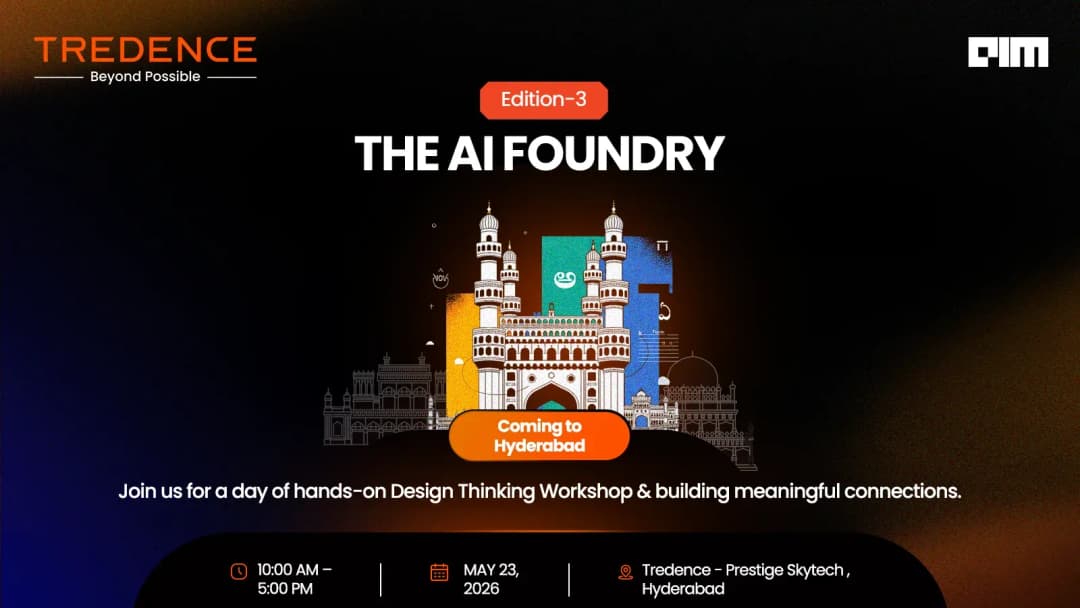
The core sessions will include design thinking workshops and team presentations, culminating in insights into responsible AI practices and addressing scalability and governance challenges.
View

The company has launched its first native Gemini app for macOS, giving MacBook users worldwide direct access to its AI assistant without relying on browsers.
View

Bengaluru’s GCCs employ over 6 lakh professionals and contribute more than $22 billion annually.
View

The deal would give Amazon’s Leo satellite venture a boost as it vies with SpaceX’s dominant Starlink network.
View

The company also plans to use existing helipads at hotels, hospitals, and tech parks for operations, and wants to launch services in Bengaluru by 2028.
View

The accelerator programme aims to support startups across space, defence, drones, and emerging technologies.
View

Costs surge and systems falter as GenAI scales, forcing enterprises to adopt LLMOps for control and reliability.
View

According to Anthropic, firms will gain access to Mythos via Project Glasswing, enabling controlled access for cybersecurity testing and risk mitigation.
View

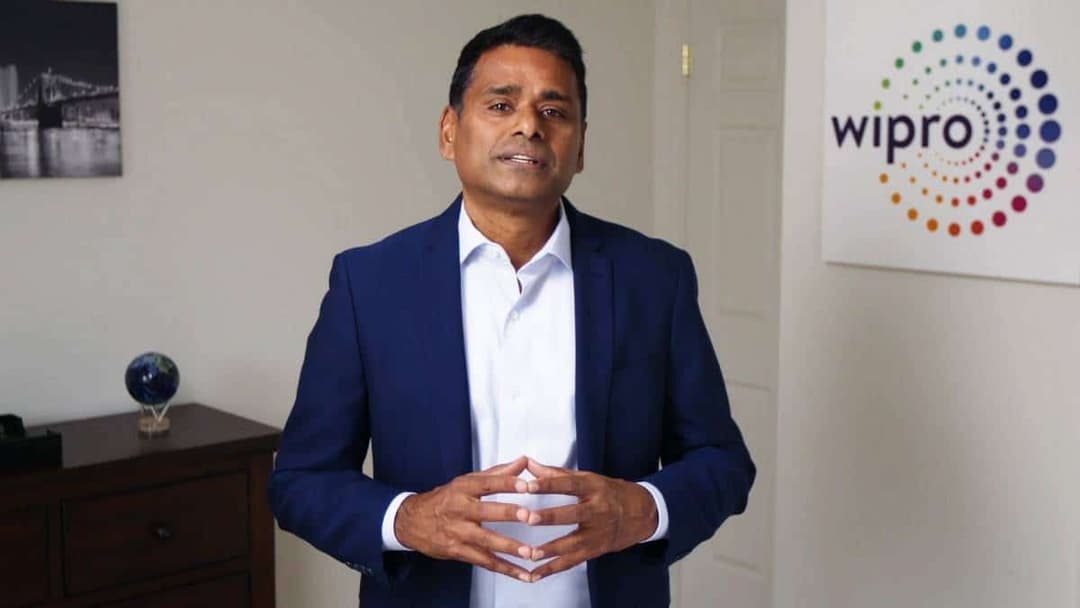
Wipro’s Q4 revenue grew 7.7% YoY to ₹24,236 crore, and earned ₹3,502 in net profit as deal momentum improved.
View
View