



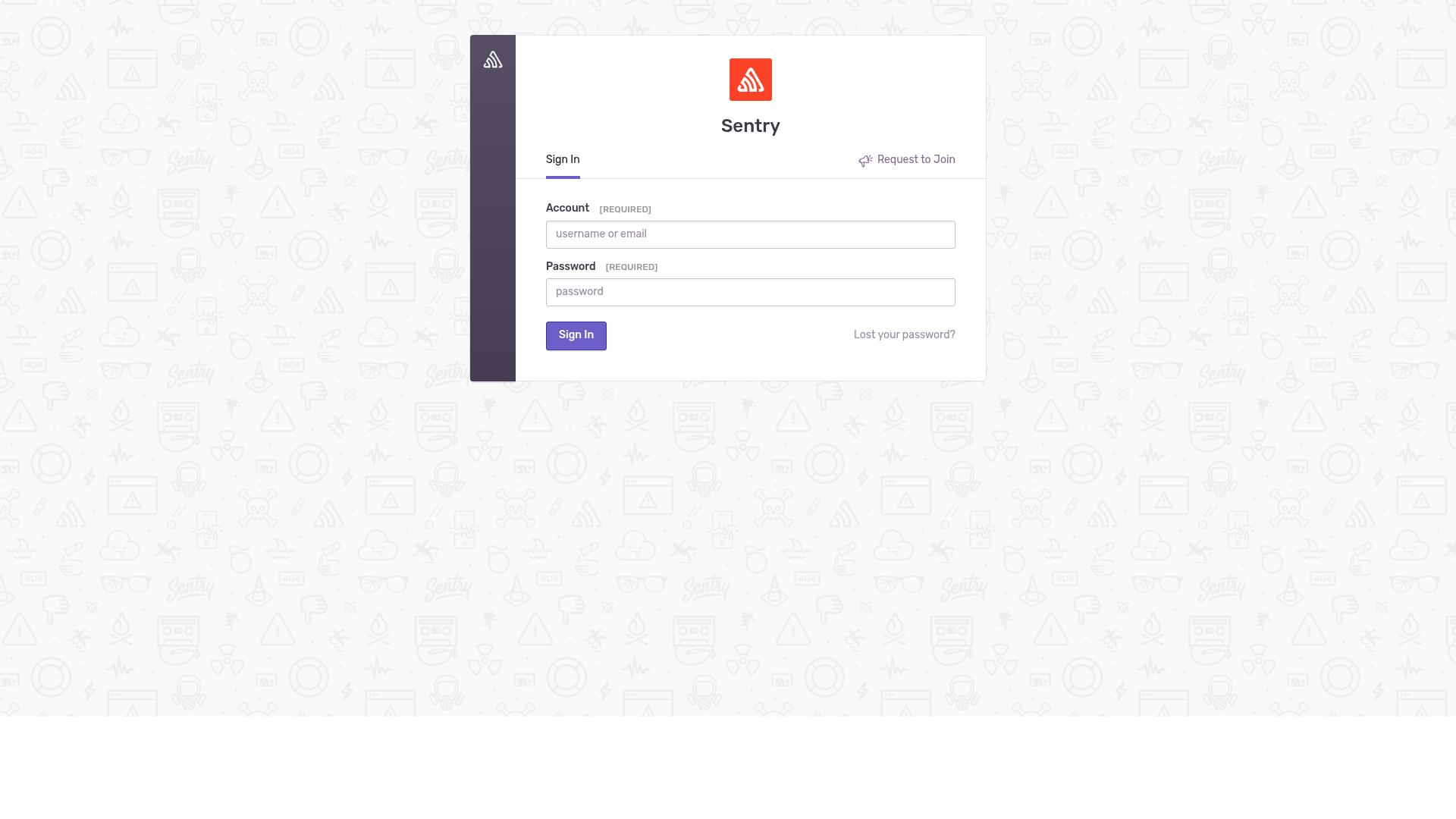



Sentry is a powerful self-hosted error tracking and performance monitoring platform designed to help developers detect and fix issues in real-time while maintaining full control over their data. Ideal for development teams and organizations with strict security needs, it offers deep integrations, detailed diagnostics, and robust session management to streamline debugging and improve software reliability.
Descrizione
Sentry is a self-hosted error tracking and monitoring platform designed to help developers identify, diagnose, and fix issues in their applications. It provides real-time error reporting and performance monitoring to improve software quality and reliability.
Descrizione dettagliata
Sentry is a comprehensive self-hosted error tracking and monitoring platform tailored for developers and engineering teams seeking to identify, diagnose, and resolve software issues in real-time. Its core purpose is to enhance software quality and reliability by providing detailed insights into errors and performance bottlenecks as they occur, enabling rapid debugging and continuous improvement. Unlike cloud-only solutions, Sentry’s self-hosted nature allows organizations full control over their data and infrastructure, making it ideal for teams with stringent security or compliance requirements. At its heart, Sentry offers robust real-time error reporting and diagnostics. When an error occurs in an application, Sentry captures detailed context including stack traces, user actions leading up to the error, and environment data. This granular information helps developers quickly understand the root cause without needing to reproduce the issue manually. Beyond error tracking, Sentry also provides performance monitoring capabilities that highlight slow transactions and resource-intensive operations, enabling teams to optimize application responsiveness and stability. One of Sentry’s standout features is its seamless integration with a wide range of development tools and workflows. It supports popular programming languages and frameworks, and integrates with version control systems, issue trackers, and communication platforms, streamlining the debugging process and fostering collaboration across teams. Security is also a priority; Sentry implements CSRF token synchronization to ensure secure authentication, particularly in multi-tab browsing scenarios, and offers multi-tab session management to maintain a consistent user experience across sessions. Sentry is best suited for software development teams, DevOps engineers, and quality assurance professionals who need a reliable, scalable solution for monitoring application health and managing errors proactively. It is particularly valuable for organizations building complex, distributed systems or those operating in regulated industries where data privacy and control are paramount. Use cases range from web and mobile app development to backend services and APIs, where continuous monitoring and quick issue resolution are critical to maintaining uptime and user satisfaction. Regarding pricing, Sentry’s self-hosted deployment model typically involves a one-time or subscription-based licensing fee, depending on the vendor or service provider, plus infrastructure costs for hosting the platform on-premise or in a private cloud. This contrasts with Sentry’s cloud-hosted offerings, which are subscription-based with tiered plans. Organizations opting for self-hosting benefit from avoiding recurring cloud fees and gain flexibility in scaling and customization, though they must manage their own infrastructure and maintenance. When compared to alternatives like Rollbar, Bugsnag, or Datadog, Sentry stands out for its open-source roots, extensive customization options, and strong community support. Its self-hosted capability is a significant advantage for teams prioritizing data sovereignty. However, it may require more technical expertise to deploy and maintain than fully managed SaaS solutions. Additionally, while Sentry covers a broad spectrum of error and performance monitoring needs, some competitors may offer deeper analytics or AI-driven insights out-of-the-box. Potential limitations include the need for dedicated resources to manage the self-hosted environment, including updates, backups, and scaling. Organizations must also ensure proper security configurations to protect sensitive error data. Furthermore, while Sentry integrates with many tools, some niche or proprietary systems may require custom integration efforts. Despite these considerations, Sentry remains a powerful platform for teams committed to maintaining high software quality through proactive error monitoring and performance optimization.
Funzioni dello strumento
- Self-hosted error tracking and monitoring
- Real-time error reporting and diagnostics
- Integration with development tools and workflows
- Performance monitoring and issue resolution
- CSRF token synchronization for secure authentication
- Multi-tab session management for consistent user experience
Descrizione
Sentry is a powerful self-hosted error tracking and performance monitoring platform designed to help developers detect and fix issues in real-time while maintaining full control over their data. Ideal for development teams and organizations with strict security needs, it offers deep integrations, detailed diagnostics, and robust session management to streamline debugging and improve software reliability.
Sentry is a self-hosted error tracking and monitoring platform designed to help developers identify, diagnose, and fix issues in their applications. It provides real-time error reporting and performance monitoring to improve software quality and reliability.
Descrizione dettagliata
Sentry is a comprehensive self-hosted error tracking and monitoring platform tailored for developers and engineering teams seeking to identify, diagnose, and resolve software issues in real-time. Its core purpose is to enhance software quality and reliability by providing detailed insights into errors and performance bottlenecks as they occur, enabling rapid debugging and continuous improvement. Unlike cloud-only solutions, Sentry’s self-hosted nature allows organizations full control over their data and infrastructure, making it ideal for teams with stringent security or compliance requirements. At its heart, Sentry offers robust real-time error reporting and diagnostics. When an error occurs in an application, Sentry captures detailed context including stack traces, user actions leading up to the error, and environment data. This granular information helps developers quickly understand the root cause without needing to reproduce the issue manually. Beyond error tracking, Sentry also provides performance monitoring capabilities that highlight slow transactions and resource-intensive operations, enabling teams to optimize application responsiveness and stability. One of Sentry’s standout features is its seamless integration with a wide range of development tools and workflows. It supports popular programming languages and frameworks, and integrates with version control systems, issue trackers, and communication platforms, streamlining the debugging process and fostering collaboration across teams. Security is also a priority; Sentry implements CSRF token synchronization to ensure secure authentication, particularly in multi-tab browsing scenarios, and offers multi-tab session management to maintain a consistent user experience across sessions. Sentry is best suited for software development teams, DevOps engineers, and quality assurance professionals who need a reliable, scalable solution for monitoring application health and managing errors proactively. It is particularly valuable for organizations building complex, distributed systems or those operating in regulated industries where data privacy and control are paramount. Use cases range from web and mobile app development to backend services and APIs, where continuous monitoring and quick issue resolution are critical to maintaining uptime and user satisfaction. Regarding pricing, Sentry’s self-hosted deployment model typically involves a one-time or subscription-based licensing fee, depending on the vendor or service provider, plus infrastructure costs for hosting the platform on-premise or in a private cloud. This contrasts with Sentry’s cloud-hosted offerings, which are subscription-based with tiered plans. Organizations opting for self-hosting benefit from avoiding recurring cloud fees and gain flexibility in scaling and customization, though they must manage their own infrastructure and maintenance. When compared to alternatives like Rollbar, Bugsnag, or Datadog, Sentry stands out for its open-source roots, extensive customization options, and strong community support. Its self-hosted capability is a significant advantage for teams prioritizing data sovereignty. However, it may require more technical expertise to deploy and maintain than fully managed SaaS solutions. Additionally, while Sentry covers a broad spectrum of error and performance monitoring needs, some competitors may offer deeper analytics or AI-driven insights out-of-the-box. Potential limitations include the need for dedicated resources to manage the self-hosted environment, including updates, backups, and scaling. Organizations must also ensure proper security configurations to protect sensitive error data. Furthermore, while Sentry integrates with many tools, some niche or proprietary systems may require custom integration efforts. Despite these considerations, Sentry remains a powerful platform for teams committed to maintaining high software quality through proactive error monitoring and performance optimization.
Domande frequenti
What is Sentry?
Sentry is a self-hosted error tracking and monitoring platform that helps developers identify, diagnose, and resolve software issues in real-time by providing detailed error reports and performance insights.
How much does Sentry cost?
Sentry’s self-hosted version typically involves licensing fees plus infrastructure costs, which vary depending on deployment scale and vendor. Pricing differs from the cloud-hosted plans, which are subscription-based with tiered options.
Who is Sentry best for?
Sentry is best suited for software development teams, DevOps engineers, and QA professionals who need comprehensive error tracking and performance monitoring with control over data privacy and infrastructure.
What are the main features of Sentry?
Key features include real-time error reporting, detailed diagnostics, performance monitoring, integration with development tools, CSRF token synchronization for secure authentication, and multi-tab session management.
Does Sentry offer a free trial?
While the self-hosted version requires deployment on your own infrastructure, Sentry’s cloud-hosted service offers free tiers and trials. For self-hosted, you can explore the open-source version to evaluate its capabilities.
What integrations does Sentry support?
Sentry integrates with numerous programming languages, frameworks, version control systems, issue trackers, and communication tools to streamline error tracking and debugging workflows.
How does Sentry work?
Sentry works by capturing errors and performance data from applications in real-time, aggregating detailed context such as stack traces and user actions, then presenting this information through a centralized dashboard for developers to analyze and resolve issues efficiently.
Recensioni
Ancora nessuna recensione. Sii il primo a condividere la tua esperienza.
Strumenti sponsorizzati






























Strumenti consigliati
Resta aggiornato sui nuovi strumenti IA
Ricevi gli ultimi insight, iscriviti alla newsletter
Letta e scelta da 50,000+ lettori
Unisciti alla più grande community IA
La nostra community e lo staff sono qui per aiutarti!
Il tuo feedback aiuterà Alice AI a migliorare nelle versioni future.





 , Prodotto di