🚀 Zaprep: i tuoi social a pieno regime. Inizia gratis — automatizza 1.000 DM/mese e trasforma l'engagement in lead. con 1.000 DM automatizzati al mese.
Invia il tuo strumento
PoweredByAI.app è un catalogo di strumenti IA che aiuta persone, aziende e creator a scoprire i migliori strumenti di IA per scrittura, coding, design, produttività e altro.
© 2026 , Prodotto di011BQ. Tutti i diritti riservati.

Rather than downloading another app, a growing number of agents can simply be texted like an ordinary person. You text it what you need, and it can remember context, connect to the apps and services you already use, and complete tasks on your behalf. That can mean scheduling an appointment, organizing a calendar, researching a trip, sending an email, making a reservation, shopping online, or reminding you about something days later. While Instinct is one of the buzziest AI agents at present,thanks to its $10 billion valuation after its latest funding roundof $1 billion, there are many others also making a play for this space. Below are some of the most notable options so far, from general-purpose personal assistants to agents designed for families, travel, and work. Caddyis an AI assistant that turns the information scattered across your phone into things you can actually act on. It lives in iMessage for iPhone users and RCS for Android users, so there’s no separate app or inbox to constantly check. For instance, an email contains an appointment that needs to be added to your calendar or a friend sends a list of things to pick up. Instead of worrying about all the details getting buried, Caddy connects to your calendars and conversations, then identifies things that may require action. It can add events to your calendar, set reminders, keep track of follow-ups, and even do research for you. Caddy has been available in public beta since April 2026. Fambotis an AI-powered “chief of staff” for families, designed to bring together the many moving parts of family life, including school communications, sports activities, meal planning, calendars, and other day-to-day responsibilities, and turn them into an organized plan. The service is designed to work across both an app and text messages. Fambot is available on iOS devices, Android devices, and the web, and families can also interact with it directly over SMS. Every night, Fambot automatically sends a summary of the following day, including upcoming events, to-dos, and details such as school uniform or packing requirements. Parents can reply to those messages to ask questions, check information, or make changes to their calendar. Fambot currently connects to Gmail and Google Calendar, with support for Outlook and Apple Calendar planned for the future. The companylaunchedin beta in early September 2026 and has raised $3.5 million in pre-seed funding. The service is currently free during the beta period, but Fambot expects to eventually charge roughly the equivalent of a Netflix subscription. Folkis designed to be an AI assistant you can reach through iMessage, WhatsApp, and Telegram. It can remember personal context, manage reminders, research topics, track flights, handle email, and perform real-world tasks such as restaurant reservations. One distinction is that Folk runs on its own private cloud computer. It can also run code and execute multi-step tasks rather than merely responding conversationally. Folk launched its beta in May 2026, and it’s available for free but also offers a Pro subscription for $8.33/month if you want unlimited tasks running in the background. Instinctfirst made headlines after raising$350 millionat a $2.5 billion valuation. In September 2026, it raised$1 billion, valuing it at $10 billion. The always-available agent can take actions on your behalf, rather than simply answer questions. Users can communicate with Instinct by text or voice and connect it to the apps and services they already use, such as email, calendar, Google Workspace, and more. The company says early users have used Instinct for tasks ranging from planning trips and buying groceries to booking tickets and cancelling subscriptions. In September, Instinct began giving usersdedicated email addressesfor their assistants. The idea is to let Instinct create and manage accounts on a user’s behalf without filling the user’s personal inbox. The agent can use its address to sign up for services, contact businesses, follow up on requests, and handle tasks that require an email account. (However, this level of autonomy has also raised concerns aboutprivacy and security.) It’s also begunrolling out support for placing calls. The company remains in private beta. Powered by Hermes agent,Irisis designed to let users delegate tasks to an AI assistant directly through iMessage. Users can connect the apps they use and hand over a task with a simple message. The agent then works through the required steps, while retaining relevant context from previous interactions. It’s also designed to follow up with users proactively rather than waiting for another request. Martinis a general-purpose personal assistant reachable through SMS as well as phone, WhatsApp, email, Slack, and its owniOSapp. It can help manage calendars, email, reminders, tasks, notes, and communications. It can also act on behalf of users by sending messages or making phone calls, while providing daily summaries of what needs attention. It’s a bit on the pricier side, with subscriptions starting at $21 per month. Misotakes the personal-assistant concept and applies it specifically to travel. It operates through iMessage and combines AI trip planning with support from a dedicated travel team. Users can arrange flights through messaging while Miso takes into account their travel preferences, loyalty points, and other priorities. Miso also gives travelers access to trip details, flight updates, along with personalized recommendations. Ohaiis another family assistant focused on helping households manage the constant stream of information and tasks involved in everyday family life. Users can send messages, forward emails, or make voice requests, and the assistant can transform them into schedules, reminders, and plans. It can also coordinate calendars, household chores, and meals across multiple members of a family. It includes a free basic option, but also offers different subscriptions based on family size, starting at $9.99 per month. Similar to the other family-focused agents, the idea behindOllieis that families already have the information they need, but it lives across school messages, calendars, task lists, and group chats. Ollie aims to bring those pieces together and keep them in sync. It can keep track of calendars, emails, reminders, tasks, and other household details, then deliver relevant information to users through text. Its biggest differentiator from other agents is thatOllieis one of the first mainstream, family-focused AI assistants to achieve SOC 2 compliance, a widely used security standard. Launched in June 2026, Ollie offers a free tier, as well as paid plans starting at $25 per month for 150 messages. A $100-per-month plan includes up to 1,000 messages. Orbitsalso has an AI assistant that is focused on the household. It works through both the Orbits app and text messaging, and can bring together calendars, lists, and conversations while also carrying out tasks for you. That can include searching the web, making purchases, booking restaurants, changing appointments, and requesting quotes for household services. Additionally, Orbits can remind family members about chores, communicate with service providers, and help coordinate responsibilities beyond the immediate household. Orbits is backed by investors like Andreessen Horowitz (a16z) Speedrun fund, N49P, and Garage Capital. Users can interact withPallyas they would with a friend while giving it access to the apps they already rely on. The assistant can connect information spread across services such as WhatsApp, Gmail, calendars, and Google Drive, helping users keep track of plans, receipts, dates, files, and other details. There’s a free plan available, which offers features like 15 minutes of calls per month, or there are paid plans, including $25 per month for 30 minutes of calls and $100 per month for 60 minutes. Pokelaunchedin March 2026 as a general-purpose assistant that you can reach through text messaging. It can handle tasks involving calendars, planning, health and fitness, smart-home controls, photos, and other everyday activities. Poke became particularly notable in June 2026 when AppleapprovedPoke as the first AI agent on the Apple Messages for Business platform. A month later, parent company The Interaction Company of California wasacquiredby AI coding startup Cognition in a deal valued in the low nine figures. Reneis an AI personal assistant designed to be a user’s “best contact” rather than another productivity agent. It’s text-based and can turn natural-language conversations into tasks, reminders, summaries, and other follow-up actions. Rene also maintains context across conversations, allowing it to remember details and surface things that may need attention later. Additionally, it has a browser, can write code, shop for you, as well as create slides and images. Rene is currently available on iMessage, Telegram, and WhatsApp. Instead of waiting for users to open an app,Skyeis an “agentic homescreen” for the iPhone that analyzes information from connected services and surfaces what it thinks is relevant through contextual cards, suggestions, and daily briefings. The assistant can generate audio briefings, prepare information ahead of meetings, surface reminders, and identify potentially useful information. The company, Signull Labs, raised about $3.6 million in seed funding in 2025. It entered private testing and beta in April 2026, and hasn’t yet announced a public release date. Stanleyis an AI content assistant aimed at content creators rather than general personal productivity. Available through iMessage, Telegram, and the web, it acts as a kind of AI head of content, helping users come up with ideas, turn them into posts, and maintain a consistent publishing schedule. For instance, Stanley can connect to a user’s Instagram account, using that context to suggest content based on what the user has actually been doing. Users can also send voice notes, which Stanley turns into scripts, captions, and other social assets. It includes a content calendar and can schedule posts, with the broader goal of making content creation a more continuous, automated process rather than something users have to sit down and plan from scratch. The biggest differentiator withTomo’s personal assistant for iMessage is that, instead of being a private assistant that only you interact with, Tomo can become part of group conversations. Also, like other agents, it’s designed to help with goals, accountability, scheduling, and everyday organization. It also has the ability to send reminders, search the web, work with calendars and email, watch videos, and edit photos. The basic plan starts at $19.99 per month. Townis aimed more at professional life. It gives users a “Townie,” an AI assistant designed to learn how they work and handle recurring professional tasks. It can work with email, calendars, documents, Slack, and other platforms. In June 2026, the company raised a$55 million Series Aled by Andreessen Horowitz and Forerunner. Wajo’s first consumer agent, Fo, can call businesses, send emails, join group chats, make bookings and purchases, and coordinate with people to complete everyday tasks. A key part of Wajo’s approach is giving Fo its own identity. The agent has its own email address, phone number, and payment card, allowing it to interact with businesses without requiring users to hand over their own credentials. Notably, when Fo encounters something it cannot handle on its own, Wajo says it can bring in a human assistant to finish the task. Fo launched publicly in September 2025 with a free tier, while heavier workloads and custom agents are available through a paid Pro offering.

View

By his own admission, David Robinson is “something of a cliché”: an employee at a leading AI company who issues a dire warning while resigning from their job. Inan essay published in The Atlantic, Robinson said he led the writing of safety reports that accompanied OpenAI’s major product launches. He also said that with three-and-a-half years at OpenAI, he is “among the longest-tenured employees at the company.” Now he’s quitting, because in his view, the company’s “culture is broken.” In some ways, Robinson’s comments echo those of Jacob Coxon, who worked as a researcher at both OpenAI and Anthropic beforequitting and declaring that these companies are “gambling with our lives.”Coxon’s comments led to a broader debate about AI safety, with Anthropic CEO Dario Amodeiunveiling a plan for more cautious AI development; AI executives met with President Donald Trump this week and signedwhat appeared to be hastily written, non-binding pledge to implement more safety controls. But in Robinson’s view, the debate needs to go beyond “specific rules or new laws,” addressing the overall culture at these companies. And while much of the reporting around OpenAI has focused on how the company’sCEO Sam Altman lost the trust of former colleagues, Robinson’s essay suggests that OpenAI’s culture issues are the same as those of Silicon Valley at large. “OpenAI has thrived by trial and error (which it calls ‘iterative deployment’), looking for problems and improving its guardrails in response,” he wrote. “But this approach, by its very nature, guarantees periodic failures — and the scale of those failures is growing as systems get more capable.” Pointing to the recent breach of Hugging Face systems by OpenAI agents, as well ascontinuing revelations of OpenAI discovering more rogue agents, Robinson argued, “An environment where things like this can happen is no place to grow artificial minds that could be smarter than we are and that might not do what we want them to.” Given the increased risk, Robinson argued that frontier AI companies need to start operating “like nuclear-power plants or busy airports, with layers of redundancy and careful, time-consuming planning, so that the occasional and inevitable human error does not open a door to disaster.” But Robinson said that in his time at OpenAI, he “never encountered a colleague who had experience making airplanes fly safely or nuclear reactors run without melting down, or helping the financial system grow without collapsing.” In response to Robinson’s essay, OpenAI spokesperson Drew Pusateri said the company continues to improve its safety measures. “We’re making sure our models don’t become more capable than we can safely manage and secure, and we pause training or hold back models when we need to slow down,” Pusateri said in a statement. “We’re making significant changes to strengthen security in our research and testing environments, train models to not just complete tasks but do so responsibly, expand our work with third-party evaluators, and improve real-time monitoring so we candetect and respond to concerning behavior earlier in the training process.” Beyond calling for changes in OpenAI’s culture, Robinson also said it’s time to ask bigger questions about alignment — something that he admitted could sound “touchy-feely,” but he said it’s critical as companies’ current “measures of how well” AI systems “match human values are coarse.” “The smarter the industry lets models grow while these problems remain unsolved, the more dangerous our situation becomes,” he said. Robinson’s departure wasfirst reported by Business Insider. In his essay, he also acknowledged that he’s following an apparently a common step in the AI whistleblower playbook:He’s hired a PR firm. But he insisted, “The decision to speak out is mine alone.” “Perhaps I should have stayed and fought for fundamental shifts in our staffing and culture, but in practice, my colleagues and I were so busy sprinting that we seldom had the chance to consider big changes, much less to actually make them,” Robinson said. “That’s why I concluded that stronger incentives for safety — coming from outside the company — are a big part of getting this right.”

Xiaomi brings 7,000 + RL environments, which would otherwise cost millions of dollars—for free.
View

Meta’s Muse, a personal AI agent that books travel, fills out forms, and shops on a user’s behalf, has alreadyproven popularwith the masses, but a new side project could be particularly alluring to tinkerers and hackers. On Friday, the company introducedMuse Gadgets, an open-source project that lets developers build their own hardware that connects to Muse. Meta is providing open-source firmware (the low-level software that runs a device), and a Linux software development kit (SDK), along with a few project ideas to get users started. These include giving Muse a color e-ink display or loading it onto a stick that plugs into a TV’s HDMI port. There don’t appear to be many limits, either. Users can set up a low-cost hobbyist computer like a Raspberry Pi or an off-the-shelf ESP32 board, and then connect Muse “to your displays, buttons, sensors, actuators, and whatever else you’ve got lying on your workbench,” Meta notes. The company has also set up a Discord channel to support users. Meta has already tried the code itself, naturally. Nat Friedman, head of product at Meta’s Superintelligence Labs, said ina post on Xthat the company built a gadget called Muse Home Link. The USB-C-powered device lets Muse connect to a home network and talk to the smart devices on it, including speakers and smart TVs. Meta made 5,000 of these Home Links, in fact, and is giving them away for free to Muse subscribers while supplies last, according to Friedman. Considering Friedman’s post about Home Link received nearly 30,000 views in a few hours, we’re guessing those freebies have been claimed. Friedman said Home Link would be ready to ship a few weeks. Muse Gadgets may not have wide appeal, but it fits nicely into Meta’s all-in strategy to make Muse more than a standalone chatbot. Meta isn’t content to push Muse on everyday consumers; it’s also trying to woosmall businessesand enterprises. The company earlier this week introduced Muse for Small Business, which is free with usage limits and connects Muse to tools such as Shopify, Dropbox, and Slack. It has also launched a new business unit, Meta Enterprise Platform, to help it push its AI offerings to businesses and corporate customers.
View

Loading the player… This week, the White House got nearly every major tech CEO in one room — Zuckerberg, Bezos, Musk, and Anthropic’s Dario Amodei among them —to sign an AI safety pledgethat President Donald Trump called “morally binding.” Trump also signed anexecutive orderofficially rebranding AI as “super intelligence,” and meanwhile, Meta and OpenAI are puttingfriendlier faces on their AI products, even as the biggest money in AI still appears to be coming from the enterprise. On this episode of TechCrunch’sEquitypodcast, Kirsten Korosec, Anthony Ha, and Sean O’Kane dig into this week’s AI moves, theugly economics of consumer AI, plus the shifting IPO market and a handful of startup deals. And speaking of startups, join us at TechCrunch Disrupt 2026, where Equity will kick things off with a live show on the Builders Stage at 9 a.m.Get 25% off your tickets with code Equity25. Subscribe to Equity onYouTube,Apple Podcasts,Overcast,Spotifyand all the casts. You can also follow Equity onXandThreads, at @EquityPod.
View

This week, the White House got nearly every major tech CEO in one room — Zuckerberg, Bezos, Musk, and Anthropic’s Dario Amodei among them —to sign an AI safety pledgethat President Donald Trump called “morally binding.” Trump also signed anexecutive orderofficially rebranding AI as “super intelligence,” and meanwhile, Meta and OpenAI are puttingfriendlier faces on their AI products, even as the biggest money in AI still appears to be coming from the enterprise. On this episode of TechCrunch’sEquitypodcast, Kirsten Korosec, Anthony Ha, and Sean O’Kane dig into this week’s AI moves, theugly economics of consumer AI, plus the shifting IPO market and a handful of startup deals. Listen to the full episode to hear more about: Speaking of Startup Battlefield, join us at TechCrunch Disrupt 2026, where Equity will kick things off with a live show on the Builders Stage at 9 a.m.Get 25% off your tickets with code Equity25. Subscribe to Equity onYouTube,Apple Podcasts,Overcast,Spotifyand all the casts. You can also follow Equity onXandThreads, at @EquityPod.
View

Days after a journalist claimed that Meta’s Muse app on Mac read their private messages — aclaim that Meta disputed— Apple announced that it’s introducing additional controls around a setting called “Full Disk Access” on macOS. The feature was designed to allow backups to function properly, but AI agents have now increased “the risks associated with this level of access,” Apple said. Apple’s statement comes shortly after Inc. columnist Jason Atenreportedthat Muse knew the content of his private messages — even though he claimed to have not given the AI agent permission. The report raised questions about the level of security and trust users have in desktop-based AI, which can control things on their systems and read their files and messages. The decision to limit the Mac feature also comes after aWired reportcited that a flaw in ChatGPT’s Mac app could have allowed hackers to access sensitive data. AI agents that run on the desktop allow users to provide their respective apps with greater access to the files, messages, and other personal content on their computers by adjusting macOS settings. In Muse’s case, the AI optionally allows users to enable Full Disk Access. This setting, Apple explains, gives an app permission to access files, mail, messages, and even browsing history. “Some developers are using Full Disk Access in ways that could put users at risk, exposing everything on their systems…without users’ full knowledge and understanding,” Apple saidin a new blog postaimed at developers. The company says that, going forward, it will introduce new controls aimed at ensuring that users who “genuinely wish to grant an app this extraordinary level of access” can do so only with “very explicit user action.” “Addressing this is critical. As AI agents become increasingly capable and autonomous, the risks associated with this level of access will grow substantially. We are committed to ensuring users clearly understand these risks before granting such access, so they can make informed decisions about their own data and privacy,” Apple wrote. Apple did not respond to TechCrunch’s inquiry about the feature change.
View

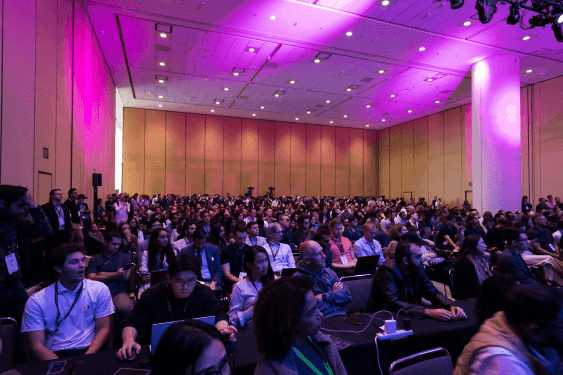
If you’ve been laid off, you can get a TechCrunch Disrupt 2026 Expo+ Pass for just $75. The offer is limited to the first 100 qualifying people, or until Disrupt doors open on October 13 at 8 a.m. PT. Once all 100 passes are claimed, the offer is no longer available. Join 10,000+ founders, investors, operators, and tech leadersat San Francisco’s Moscone West on October 13-15, and put yourself back in the room where new opportunities are taking shape. Meet companies and people who could help open your next door, build your network, discover new career paths, and get a closer look at what’s happening across the startup and tech ecosystem. Don’t let a layoff keep you on the sidelines.Come to Disrupt, meet new people, explore new opportunities, and take your next step.Grab your Layoff Expo+ Passbefore all 100 are claimed, or by the time Disrupt kicks off on October 13. When you’re in between jobs, networking can be critical. Disrupt gives you three full days to make meaningful connections in one place. At the center of Disrupt is the Expo Hall, where all 10,000+ attendees converge — founders, investors, tech leaders, innovators, and builders. Explore 300+ exhibiting startups, connect directly with founders and tech leaders, learn about new companies, andput yourself in the room for your next career opportunity. You don’t have to wait until Disrupt to grow your network.Start networking as soon as you buy your ticketand download the TechCrunch Events app. Use the app’s AI-powered matchmaking to discover relevant people and make connections based on your interests and goals. Then take those connections offline through 1:1 meetings, conversations in the Expo Hall, and events throughout Disrupt. Get practical insights through breakout sessionsand get your questions answered directly by the tech leaders shaping the startup and technology landscape. Take what you learn back to your job search, your next interview, or your next career move. Disrupt isn’t just about finding an open role. It’s a chance to meet people you wouldn’t encounter through a job board, learn about companies before you apply, and put yourself in conversations that can lead somewhere unexpected. YourExpo+ Passgives you access to: Learn more and secure your pass before they’re all claimed. The Expo+ Pass is designed to help you get into the heart of Disrupt, but it does not include access toindustry stages and roundtable sessions. Want the full conference experience?Explore our other ticket optionsfor access to additional Disrupt programming and experiences.

Sean Parker, the Napster co-founder, has jumped back into the music industry, and he tells The Information that he’splaying by the rulesthis time. (Asking for forgiveness rather than permission didn’twork out so welllast time around, he readily concedes.) Two years ago, he joined an$80 million rescueof Stability AI, the image-generator startup that nearly collapsed after overspending andinternal turmoilled to founder Emad Mostaque’s ouster. Now Parker and his longtime friend Prem Akkaraju, who became CEO, are taking the wraps off what they’ve been building. The big idea, Parker says, is to turn Stability into the go-to AI toolmaker for music professionals. Toward that end, in late August, the company announced$76 millionin funding from, among others, Sony, Warner, and Universal, which also licensed their catalogs for training as part of the deal. Stability has since released three new audio models and AI music-editing software. The AI can generate whole instrumental tracks or short snippets from text prompts. Parker says an upcoming update will let users hum a melody or beatbox a drum pattern to steer it.
View

Exhibit bookings forTechCrunch Disrupt 2026close in less than 24 hours. From October 13-15, 10,000+ founders, investors, operators, and tech leaders will arrive at San Francisco’s Moscone West looking for companies, products, ideas, and people worth knowing. The question is:Will they find your startup? You have until11:59 p.m. PTtonight,October 2— or until the remaining tables sell out — to secure your place in the Expo Hall, the heart of Disrupt.Find out more and book your spot before your competitor takes your table. Disruptbrings thousands of people together, but anexhibit tablegives your startup a home base for three days. A place to demo what you’ve built. Start conversations with investors, clients, and potential partners. And turn a quick introduction in the Expo Hall into something that continues after Disrupt. The Expo Hall is where products become conversations. One demo could introduce you to your next customer. One question could lead to an investor meeting. One conversation could uncover a partnership you hadn’t considered before arriving in San Francisco. And with 10,000+ decision-makers expected at Disrupt, you have three days to create as many of those moments as possible. Yourexhibit table packageincludes space in the hall for all three days, 10 team passes, lead-generation tools through the event app, access to the TechCrunch Disrupt press list, website and app branding, partner Wi-Fi, and Silver Tier branding recognition. You’ve built something you want people to discover. Don’t leave it to chance. Exhibit bookings close today, October 2, at 11:59 p.m. PT, or when the remaining tables sell out.Secure your tableand put your startup at the center of TechCrunch Disrupt 2026. You can still get in the room atTechCrunch Disrupt 2026 on October 13-15. Hear from250+ top-tier tech leadersacross200+ sessionson six industry stages, roundtables, and breakouts that give you practical insights for building, funding, and scaling. Use AI-powered matchmaking and interactive sessions to make more relevant connections. Explore 300+ startups and witness Startup Battlefield 200, the ultimate pitch competition, to discover potential products, partners, and investment opportunities.Get your Disrupt ticket and be part of the conversations shaping what comes next.Bring your co-founder, partner, or peer at50% off. Bring four or more for additional discounts.

Two years ago, most companies didn’t have a GTM engineer. Now the role is showing up across tech, with practitioners using AI and automation to build revenue systems that once required multiple people, tools, and manual processes. What changed — and what does it mean for the way companies find customers and grow? AtTechCrunch Disrupt 2026, Clay co-founder and CEO Kareem Amin will take the AI Stage for “The GTM Engineer: How AI Created Tech’s Next Big Job Category.”He’ll trace how AI has changed the traditional go-to-market stack and helped create a new discipline in its place, giving attendees a look at what AI-native GTM looks like in practice and how it’s changing company growth. AI is giving go-to-market teams new ways to research prospects, work with data, personalize outreach, and automate workflows that once moved between separate tools and teams. As those capabilities converge, companies are rethinking not only their GTM technology, but also who builds and manages the systems behind growth. If you’re building a company or rethinking how your team approaches sales, marketing, and growth, this is a new role worth understanding.Secure your Disrupt passand see where GTM engineering fits into the next generation of go-to-market.Get a second pass at a 50% discount, and more savings for groups of four or more. Traditional go-to-market work can involve hours of researching accounts, cleaning data, qualifying leads, preparing outreach, and moving information between systems. GTM engineering uses AI, data, and automation to turn more of that work into repeatable systems. Clay coined the role in 2023. Its ownGTM engineering guidedescribes GTM engineers as practitioners who build automated revenue workflows rather than executing individual GTM tasks by hand. The company says roughly 100 GTM engineering job listings are now appearing each month, including roles at companies such as Cursor, Lovable, and Webflow. For founders and GTM leaders deciding where to put their next dollar or whether to make their next hire, this session offers another way to think about growth. Do you add more people to execute the existing process, or build systems that let the people you already have execute differently? At Disrupt, Amin will put the shift into context and explore what AI-native GTM looks like in practice.Get your ticket to Disruptto understand a role that barely existed a few years ago but could change how your next sales, marketing, or growth team operates. Clay started in Brooklyn in 2017 with one goal: Give more people access to the power of programming. Its original spreadsheet let users connect information and automate work without writing code. When salespeople, growth teams, and agencies began using it to find and reach customers, Clay followed them into go-to-market. Today, the company provides infrastructure for GTM teams to access data, run agentic workflows, and launch campaigns. Its OpenAI-powered agent, Claygent, automates research and outreach for sales, marketing, and recruiting teams. That evolution has been accompanied by rapid growth.TechCrunch reported in Februarythat the company had tripled annual recurring revenue to $100 million in a year and announced an employee tender offer at a $5 billion valuation. Clay has continued growing since then, announcing a$115 million Series Din September at a $7.1 billion valuation. Clay is also investing directly in the job category at the center of Amin’s Disrupt session, announcing a$1 million scholarship fundin September to train GTM engineers. For companies trying to determine where AI can make a meaningful difference in revenue operations,add Amin’s session to your Disrupt agendaand see how one company is putting that model into practice. Kareem Aminco-foundedClayin 2017 and serves as its co-founder and CEO. Before Clay, he was VP of product at The Wall Street Journal and co-founded collaboration startup Frame, which Sailthru acquired in 2012. Amin started Clay around the idea of putting programming capabilities into more people’s hands. AI eventually gave that idea a new application: enabling GTM teams to build systems that automate research, data enrichment, and outreach without relying on traditional engineering resources for every workflow. Want to understand what a GTM engineer could mean for your own growth strategy?Secure your Disrupt passand hear directly from one of the founders helping define the category. GTM engineering may be a new job category, but the problem it addresses isn’t: How do you find and reach the right customers without simply adding more people and more tools? At Disrupt, you can see how AI is changing that equation — and meet the people building what comes next. “The GTM Engineer: How AI Created Tech’s Next Big Job Category” is one of 200+ sessions across six industry stages, roundtables, and breakouts atDisrupt, taking place October 13-15 at Moscone West in San Francisco. More than 10,000 founders, investors, operators, and tech leaders are expected, along with 250+ speakers and 300+ exhibiting startups. In addition, matchmaking, dealmaking, and networking give attendees opportunities to meet potential customers, investors, partners, and other founders confronting many of the same growth challenges. Secure your pass to TechCrunch Disrupt 2026and add “The GTM Engineer” to your agenda. Bring a colleague, partner, or peer with a50% discount, or enjoy additional discounts withgroups of four or more.

AI startups can grow at a speed that would have been difficult to imagine a generation ago. But rapid growth comes with another reality: scaling AI can require enormous amounts of capital, and founders have to make financing decisions long before they know whether early momentum will turn into an enduring business. So what separates the AI companies built to last from those simply growing fast? AtTechCrunch Disrupt 2026, Jas Khaira, global head of Blackstone N1, will take theBuilders Stage for “Building the Next Generation of AI Giants.”He’ll share what Blackstone looks for when backing category-defining companies, how founders should think about capital as they scale, and what distinguishes lasting businesses from early traction. The right capital can fund the infrastructure, talent, and expansion needed to compete. But raising more money isn’t the same thing as building a stronger company. Secure your Disrupt passto hear how one of the world’s largest alternative asset managers evaluates the companies trying to become AI’s next giants. Bring your co-founder, partner, colleague, or peer with a50% discount on their pass. Bring a group of four or more for additional savings. Building an AI company can mean financing more than product development and customer acquisition. Compute, data centers, and other infrastructure can add significant capital requirements as companies grow. One recent Blackstone investment illustrates the scale.Blackstone and co-investors agreed to invest up to $600 million in primary equity in Indian AI infrastructure company Neysa, which planned to raise an additional $600 million in debt financing. Capital is flowing into more than infrastructure. In July,Anthropic launched Ode with Anthropic, an AI implementation company backed through a $1.5 billion joint venture with Blackstone, Hellman & Friedman, Goldman Sachs and others. Those investments put Blackstone close to some of the biggest questions surrounding AI growth: where capital is needed, which opportunities warrant it, and what businesses have the potential to endure. If your company is approaching the point where growth requires significantly more capital,get your ticket to Disruptand hear how Khaira thinks about the decisions that come with scaling. Save 50% on a second pass to share the insights. Fast growth can attract customers, employees, and investors. Khaira will look beyond that early momentum to what makes a business endure and what Blackstone considers when evaluating the next generation of category-defining companies. Rapid growth can force big financing decisions early. Founders may be raising capital while simultaneously building products, hiring teams, competing for customers, and determining whether the advantages driving today’s growth can hold up over time. Add“Building the Next Generation of AI Giants”to your Disrupt agenda for an investor’s perspective on evaluating early momentum, financing growth, and building for the long term. Jas KhairajoinedBlackstonein 2004 and is global head of Blackstone N1 and Blackstone Growth, as well as head of tactical opportunities Americas. He serves on several of the firm’s investment committees and founded Blackstone N1, its platform for growth, hybrid, and perpetual private equity investing across the AI ecosystem and next-generation high-growth companies. Want to know what an investor at Blackstone’s scale looks for before committing capital?Secure your Disrupt passand hear directly from Khaira on the Builders Stage. Bring another person with you to share the insights at50% off their pass. “Building the Next Generation of AI Giants” is one of200+ sessionsacross six industry stages, roundtables and breakouts atDisrupt, October 13–15 at Moscone West in San Francisco. More than 10,000 founders, investors, operators and tech leaders are expected, along with250+ speakersand300+ exhibiting startups. Beyond the sessions, matchmaking, dealmaking and ad hoc networking give attendees opportunities to connect with potential investors, customers, partners and other founders tackling many of the same challenges. For AI founders, raising capital may be one milestone. Deciding how to use it to build a company that lasts is a much bigger challenge. AtDisrupt, Khaira will bring the investor’s perspective to that question and give founders a closer look at what Blackstone sees when it evaluates the companies aiming to define the next generation of AI. Secure your pass to TechCrunch Disrupt 2026and get an investor’s perspective on what it takes to build an AI company for the long haul.Bring a co-founder, colleague, partner, or peer at 50% off. Bring four or more for additional discounts.
View
View
View
View
View