🚀 Zaprep : tes réseaux sociaux sous stéroïdes. Commencer gratuitement — automatise 1 000 DM/mois et transforme l'engagement en leads. avec 1 000 DM automatisés/mois.
Soumettre ton outil
PoweredByAI.app est un annuaire d'outils IA qui aide les particuliers, les entreprises et les créateurs à découvrir les meilleurs outils IA pour la rédaction, le code, le design, la productivité, et plus encore.
© 2026 , Un produit de011BQ. Tous droits réservés.

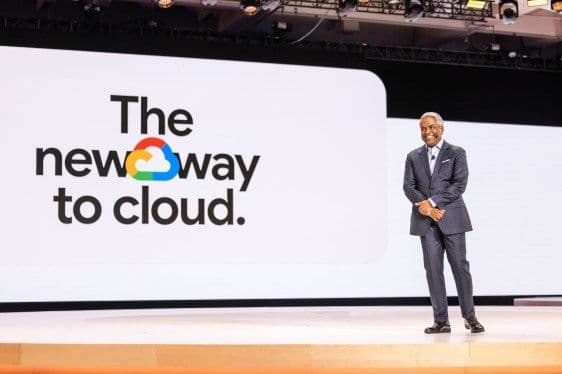
Google Cloud Next is taking place this week in Las Vegas, and one clear message has emerged: Google wants AI startups on its cloud. To that end, it made several startup-related announcements. The most significant is that the tech giant has earmarked a new$750 million budgetto help its Cloud partners sell more AI agents to enterprises. This funding is available to partners ranging from startups to the big consulting firms. It can be used for costs like Gemini proof-of-concept projects, Google forward-deployed engineers, cloud credits, and deployment rebates. Google alsohighlighteda long list of startups that are using Google Cloud, either newly signed or expanding their footprint. Among them are a few standout names: Lovableis expanding its use of Google Cloud by launching a new coding agent through Google’s enterprise app marketplace. Lovable is the fast-growing vibe coding startup and was on a$400 million ARR track as of February, it said. Notion, Silicon Valley’s favorite AI-infused document productivity app, most recentlyvalued at about $11 billion, is using Gemini models to power its text and image generation features. Gamma, an AI-powered PowerPoint killerrecently valued at a $2.1 billion valuation, is using Google’s state-of-the-art image model Nano Banana 2 and other Google Cloud features. Inferact,thecommercial inference startupfrom the creators of the popular open-source project vLLM, is accessing Nvidia’s GPUs through Google Cloud, in addition to using the tech giant’s AI stack. ComfyUI, the popular open-source tool forcreating AI-generated images and multimedia, also offers access to Nano Banana 2 and is using other Cloud features. Other startups that received the Google Cloud shout-out this year include: ChorusView, which makes AI-powered smart tags that track the condition and movement of goods in real time. Emergent AI, a vibe coding platform. ExaCare AI, which makes AI software for post-acute medical care facilities. Insilica, which creates AI-generated regulatory-compliant chemical safety reports. Optii, which makes AI-enhanced hotel operations software. Parallel AI, which builds web search and research APIs built for AI agents. Proximal Health, which makes AI-powered software that automates the insurance claims adjudication process. Reducto, which does AI-powered document parsing. Stord, which handles e-commerce fulfillment and parcel operations. Stylitics, which makes AI image generation software for retailers for tasks like outfit styling and product bundles. Temporal, a developer cloud environment built to prevent failures. Vapi, which makes dev tools for building conversational voice agents. Vurvey Labs, which conducts synthetic market research via AI agents. Wand, an in-game assistant for single-player PC games. Watershed, which makes software that helps enterprises report on and manage sustainability programs. ZenBusiness, an all-in-one back-office tool for small businesses that includes an AI chat assistant.

View

Deloitte’s hiring plan is about more than just accessing AI and engineering talent in India.
View

Zinnov finds firms scale through repeatable models, strong GTM execution, and operational discipline—not capital alone.
View

Cognizant is targeting AI readiness at scale while positioning training as a monetisable enterprise service.
View

Google has launched its eighth-generation TPUs, introducing two distinct chips—TPU 8t for large-scale model training and TPU 8i for real-time inference.
View

Anthropic is investigating a claim that a small group of people gained access to its Claude Mythos model - the cyber-security tool which the AI firm says is too powerful to release to the public. "We're investigating a report claiming unauthorized access to Claude Mythos Preview through one of our third-party vendor environments," the company said in a statement. It was in response to a Bloomberg report that users in a private forum managed to access the model without the normal permissions. There is deep unease about Mythos' capabilities - though the UK's top cyber official has said advanced AI tools could be a "net positive" if the technology was secured from misuse. There is currently no suggestion that malicious actors have managed to get hold of the model, and Anthropic says it does not have evidence its systems are affected. But the report of access by unauthorised users raises questions about the ability of large AI companies to stop their advanced AI models from getting into the wrong hands. This was "most likely through misuse of access rather than a classic hack," according to Raluca Saceanu, chief executive of cyber-security company SmartTech. Anthropic has released the Mythos model to some tech and financial companies in order to help them secure their systems against its reported ability to exploit vulnerabilities. But that relies on those companies making sure their own access is tightly controlled. The person already had permission to view Anthropic's AI models through work they had done for a third-party contractor, according to Bloomberg. The outlet also reported the group has been using the model since it gained access - although not for hacking, because they do not want to be detected. "When powerful AI tools are accessed or used outside their intended controls, the risk is not just a security incident but the spread of capabilities that could be used for fraud, cyber abuse, or other malicious activity," Saceanu said. What is Claude Mythos and what risks does it pose? In a speech to a large cyber-security conference on Wednesday, the head of the UK's National Cyber Security Centre (NCSC) made a more positive case arguing AI tools can make things safer and more secure. Richard Horne urged the CyberUK delegates not to fear new AI attacks, but to make sure they are doing the basics of cyber-security right. "As we have seen in the media in recent days, frontier AI is rapidly enabling discovery and exploitation of existing vulnerabilities at scale, illustrating how quickly it will expose where fundamentals of cyber-security are still to be addressed," he said.

The Ministry of Electronics and Information Technology (MeitY) proposed a new change to its draft IT Rules amendments, bringing stricter guidelines for artificial intelligence (AI)-generated content labelling across online platforms. Additionally, the Ministry has also extended the consultation deadline to submit feedback on the new rules, pushing it from April 29 to May 7. The proposed change to AI labels comes at a time when AI images and videos have surged on social media websites, and concerns regarding deepfakes and misinformation have heightened.
View

The OpenAI-Cognizant alliance aims to standardise AI-driven development, accelerate delivery, and modernise legacy systems globally.
View

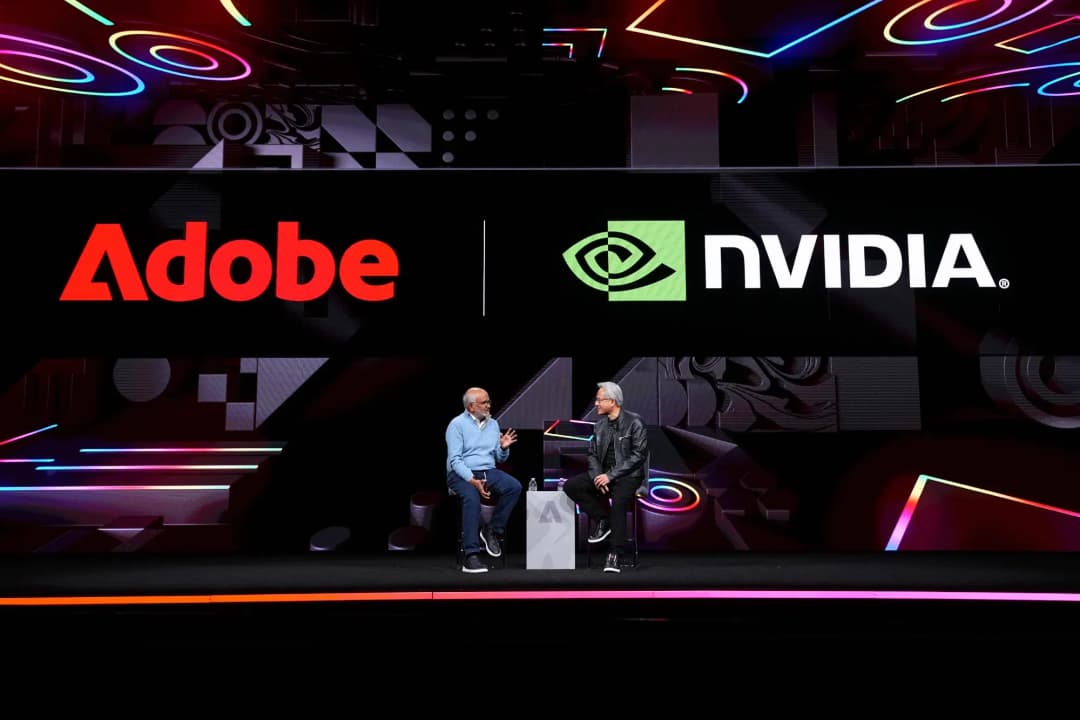
At Adobe Summit 2026, Shantanu Narayen’s farewell keynote with Jensen Huang framed AI as a force set to expand creative work, not replace it.
View

Learning from ChatGPT costs nothing. So how does a $710 million edtech firm reinvent itself?
View

The deal adds Continuum AI platform to strengthen NeoIP roadmap and expand retail, consumer packaged goods AI offerings.
View

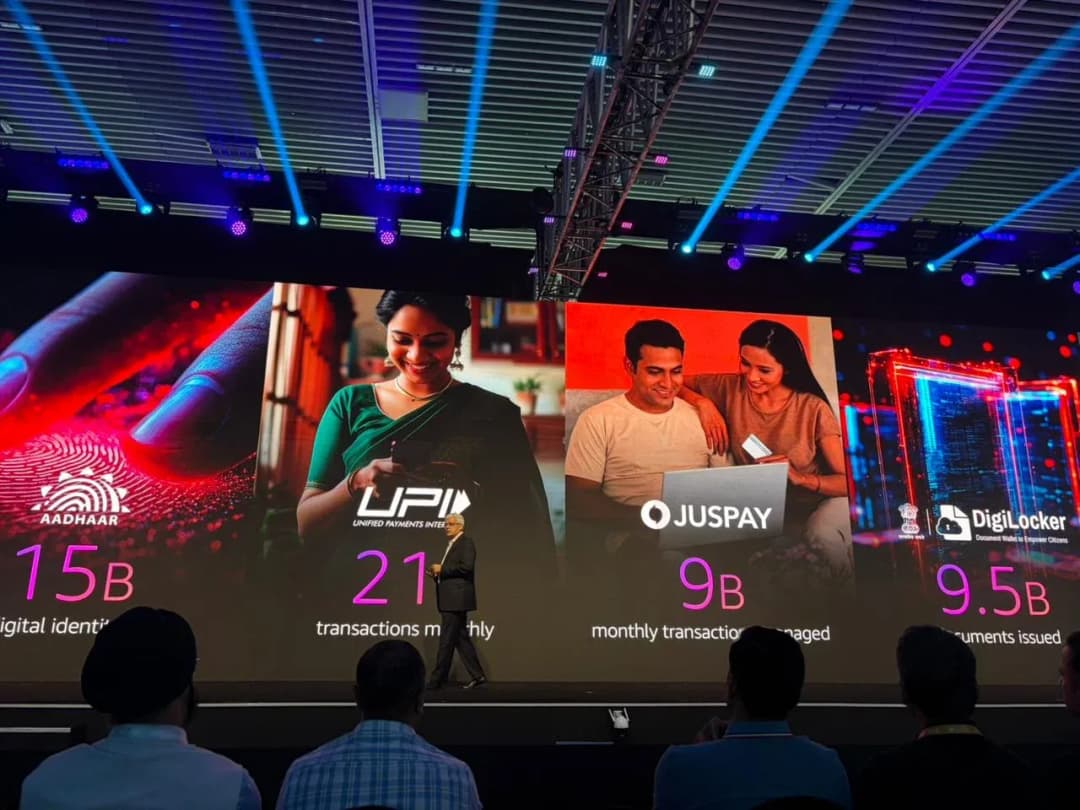
At the AWS Summit Bengaluru 2026, AWS’ Sandeep Dutta said the fresh commitment would build on its existing $40 billion investment in India.
View
View