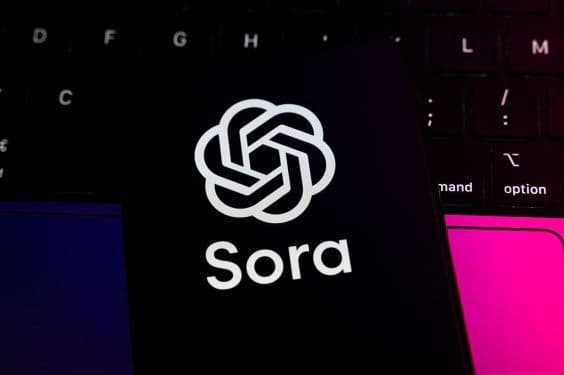
OpenAI’s Sora was the creepiest app on your phone — now it’s shutting down
OpenAI announced on Tuesday that it isshutting downSora, a TikTok-like social app thatlaunchedsix months ago. OpenAI did not give a reason for the shut down, nor did it share information about when it will officially be discontinued. When Sora first opened up as an invite-only social network, it seemed like everyone was clamoring for an invite. But like Meta’sHorizon Worlds— the company’s virtual reality social platform — which is also in turmoil despite once being central to the company’s infamous metaverse, Sora didn’t have real staying power. Though the underlying Sora 2 video- and audio-generation model is scarily impressive, there was not sustained interest in an AI-only social feed. We’re saying goodbye to the Sora app. To everyone who created with Sora, shared it, and built community around it: thank you. What you made with Sora mattered, and we know this news is disappointing.We’ll share more soon, including timelines for the app and API and details on… Sora was intended to function like an AI-first TikTok, cloning the recognizable vertical video feed interface. Its flagship feature, “cameos,” allowed people to scan their faces and make realistic deepfakes of themselves. These “cameos” could be made public, allowing anyone to make videos of their “cameo.” (Cameo took OpenAI to court over the name of this feature and prevailed, forcing the company to change it to “characters.”) In a turn of events that surprised literally no one, this glorified deepfake app was weird as hell. At launch, Sora felt like an under-moderated minefield ofcreepy Sam Altman videos. I will never be the same after watching a realistic clone of the OpenAI CEO walking through a slaughterhouse of fattened pigs and asking, “Are my piggies enjoying their slop?” Sora was not supposed to allow people to generate videos of public figures who did not explicitly opt-in, but it was all too easy to evade OpenAI’s guardrails. Sure enough,deepfakes of real peoplelike civil rights leader Martin Luther King, Jr. and actor Robin Williams emerged, prompting both of their daughters to go on Instagram and ask users to stop making videos of their deceased fathers. After making dozens of videos in which Sam Altman steals Nvidia chips from a Target, users shifted gears. Instead, they intentionally made content using copyrighted characters, inviting legal trouble for the man they loved to deepfake — we saw Mario smoking weed, Naruto ordering Krabby Patties, and Pikachu doing ASMR. This didn’t unfold as planned. Rather than sue, Disney, a notoriously litigious company, gave OpenAI a$1 billion investmentand a licensing deal that would have allowed Sora to generate videos featuring characters from Disney, Marvel, Pixar and Star Wars. It looked like a landmark moment for the AI industry. But with Sora gone, so is the deal — though notably, it appears no money actually changed hands before it collapsed. (Disney offered some polite words about the whole thing on Tuesday, telling the Hollywood Reporter it would “continue to engage with AI platforms” going forward.) The initial hype around Sora was real. The app peaked in November with about 3,332,200 downloads across the iOS App Store and Google Play, according to data from the mobile intelligence firm Appfigures. If the app continued to grow, then perhaps OpenAI would’ve kept it going, but that’s not what happened. By February, it declined to 1,128,700 downloads. That seems like a big number, until you remember that ChatGPT has900 millionweekly active users. In its lifetime, Appfigures estimates that Sora made about $2.1 million from in-app purchases, which allowed users to buy more video generation credits. It’s hard to imagine that the Sora app’s computing demands tipped the scales that much for a company that’s alreadyoperating at a huge loss, but the app was perhaps too much of a liability to keep around if it wasn’t even growing. When OpenAI launched the Sora app, I prepared for a world in which we could have the tools to make deepfakes of each other at our fingertips. While I rarely make TikToks, I felt obligated topost a PSAthat this scary tech was coming fast. It ended up getting over 300,000 views, which is not the norm for my often dormant TikTok account, but this news got a real reaction out of people. I never expected that it would only last six months. But just because Sora is gone doesn’t mean the threat went with it. The Sora 2 model is still available — it’s just tucked behind the ChatGPT paywall. And OpenAI is hardly alone in making this technology so accessible. It’s only a matter of time before the next social AI video app hits the market, and we’re inundated with another tsunami of clips in which Snow White storms the Capitol.