Who trusts Sam Altman?
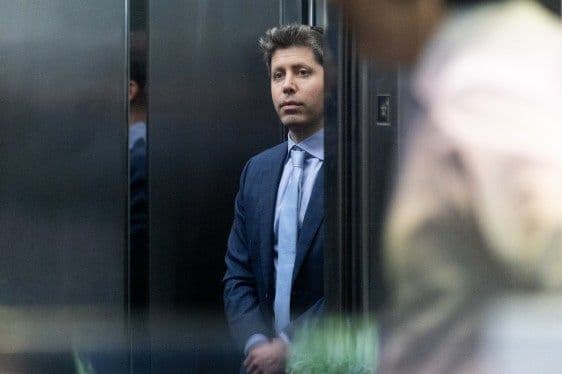
In May 2023, OpenAI CEO Sam Altman was sworn in and testifying before Congress about the regulation of artificial intelligence. Senator John Kennedy of Louisiana heard his ideas about licensing advanced models and asked if Altman might be qualified to run a hypothetical AI regulatory agency. “I love my current job,” Altmansaid, to titters. “You make a lot of money, do you?” Kennedy asked him. “No, I’m paid enough for health insurance, I have no equity in OpenAI,” Altman assured him. “You need a lawyer,” Kennedy replied. Now Altman has many lawyers, who watched as their client suffered a withering interrogation, sworn in to a California federal court on Tuesday. They were investigating much the same matter as Kennedy—is Altman qualified to to control the most advanced AI models? “You didn’t disclose to the United States Senate that you had an interest in OpenAI through a share in a Y Combinator fund, did you?” barked Steve Molo, the combative attorney leading Elon Musk’s effort to shut down OpenAI’s for-profit business. Altman had admitted that he did have economic exposure to OpenAI through his LP position in the Y Combinator fund. "I didn't mention it in that testimony, but, again, I think it is well understood of what it means to be a passive owner of many venture funds," Almtan said."You thought Senator Kennedy was a very sophisticated investor when he asked you that question?" Molo replied. Altman's decision to volunteer that he had no equity when he could have simply side-stepped the question was interesting one. It's technically true, but Altman—who emphasized his expertise in investing in early-stage startups—surely understood his economic exposure to OpenAI through Y Combinator, and through investments in other AI companies that worked with OpenAI. Altman's credibility was on trial yesterday, at least in the eyes of the plaintiffs. OpenAI's attorney's maintained that little was done to advance Musk's case, accusing their counterparts of character assassination. But the juroy and Judge Yvonne Gonzalez Rogers are weighing Altman's credibility as a pivotal character in the events they are examining. Molo ran through a litany of people who accused Altman of lying or misleading them while under oath in the courtroom, including former OpenAI board members Helen Toner and Tasha McCauley, Elon Musk and OpenAI cofounder Ilya Sutskever. He also brought up the recentNew Yorker storydetailing concerns about his honesty. The "blip"—when OpenAI's board briefly fired Altman and OpenAI president Greg Brockman for failing to be candid with them—has been a subject of significant discussion at this trial. Then-board members Toner and McCauley testified that Altman had misled them, with McCauley referring to "a toxic culture of lying." "I do have doubts that was the full reason" for his firing, Altman said. Asked again if to acknowledge that the board said he had not been candid with them, Altman replied "they asked me to come back the next morning." The focus on his firing is not just about questioning Altman's credibility. One key question of the trial is whether OpenAI's structure lives up to its mission, and specifically whether the non-profit board can exercise true control over the for-profit. From the point of view of Musk's lawyers, the 2023 episode offers evidence that Altman's influence over the company exceeded that of its board of directors. Witnesses brought by OpenAi and Microsoft have insisted that the current non-profit board does exercise control over the for-profit. Microsoft CEO Satya Nadella called Altman's firing "amateur city." Bret Taylor, who joined OpenAI's board as chair in the wake of Altman's rehiring, said he found nothing that warranted his termination and that Altman has been "forthright with me." Dr. Zeko Kolter, the OpenAI board member focused on AI safety, said no one had interfered with that work since he started in 2024. But Taylor also made clear that the choice to rehire Mr. Altman in 2023 was because his departure would effectively ended OpenAI as a going concern, with most of the employees intent on following him out the door. Now, as the jury and Judge weigh whether the current structure lives up to the organization's mission, they will wonder whether the board can really fire or discipline its CEO. Asked if he would ever fire himself as CEO, Altman said he had no plans to do so. Asked if he could be trusted, he replied "I believe I am an honest and trustworthy business person."