🚀 Zaprep: Tus redes sociales al máximo. Empezar gratis — automatiza 1,000 DMs/mes y convierte el engagement en leads. con 1,000 DMs automatizados/mes.
Enviar tu herramienta
PoweredByAI.app es un directorio de herramientas de IA que ayuda a personas, empresas y creadores a descubrir las mejores herramientas de IA para escritura, programación, diseño, productividad y más.
© 2026 , Producto de011BQ. Todos los derechos reservados.

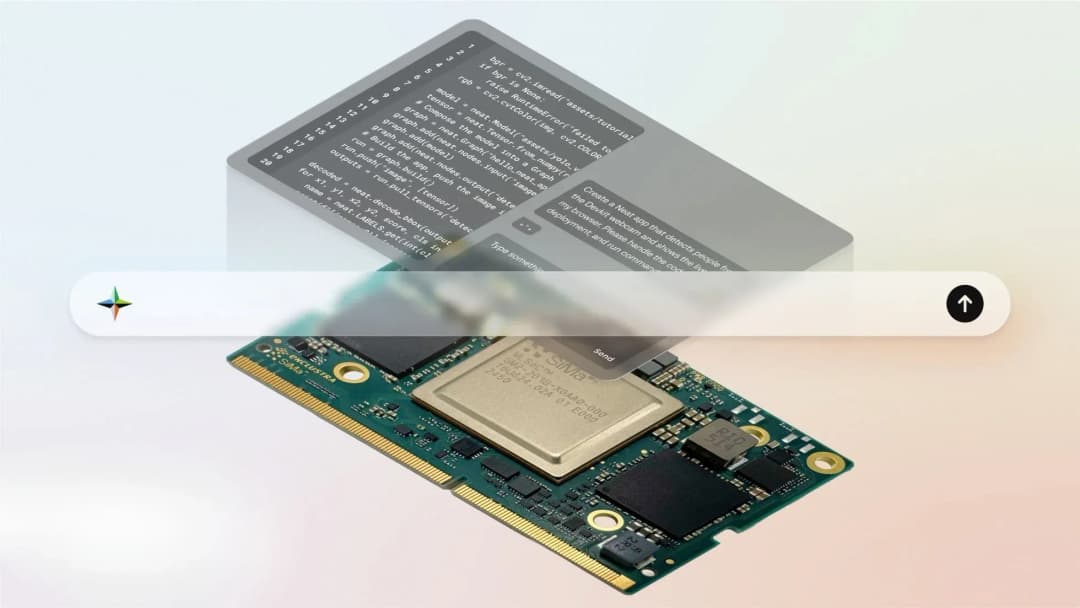
The company says its new platform cuts the time to deploy physical AI from months to days.
View

With support for over 30 Indian languages and partnerships with nearly 100 universities, the company aims to help users overcome language and geographic barriers that often limit access to career opportunities.
View

Google has launched a coordinated effort to disrupt a large-scale cybercrime operation accused of using artificial intelligence tools to run phishing scams that impersonated trusted brands and targeted smartphone users through fraudulent text messages. The company has filed a lawsuit against the group, is working with the FBI and major US telecom operators, and is backing legislative measures to tackle AI-enabled fraud. The move comes as cybercriminals increasingly use AI tools to scale phishing campaigns and make scam messages more convincing.
View

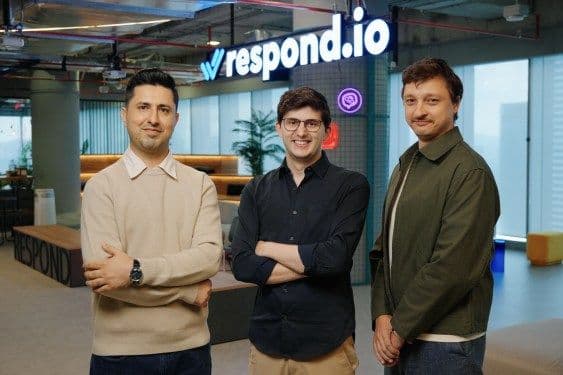
In 2017,Respond.ioset out to solve a simple problem: businesses couldn’t keep up with customers who had moved to messaging apps. Today Respond, with its customer conversation management software, has become one of the tech success stories of Malaysia. The startup, headquartered in Kuala Lumpur, has raised a $62.5 million Series B round led by Camber Partners, with participation from Endeavor Catalyst and existing investors. It last raiseda $7 million Series Ain 2022.The company has grown to $35 million in annual recurring revenue (ARR), growing 169% year-over-year, at a 30% profit margin, it tells TechCrunch. Co-founder and CEO Gerardo Salandra, who worked at IBM and Google before joiningRuntastic, a fitness tracking app that was sold to Adidas in 2015, founded Respond in Hong Kong in 2017 alongside Hassan Ahmed (CTO) and laroslav Kudritskiy (COO). The team relocated the business to Malaysia two years later. The platform helps mid- to large-sized B2C businesses drive revenue from customer conversations across multiple messaging channels including WhatsApp, Instagram, TikTok, Messenger, Line, Telegram, WeChat, voice calls and web chat. It also uses AI agents to automatically handle high volumes of customer inquiries, qualify leads and close sales without human intervention. Salandra described its core customers as “high-consideration” businesses, where customers need to talk to someone before buying, such as healthcare, automotive, retail, education and travel. “You don’t go to a website, put your credit card, and buy a car; you chat with someone, you ask a lot of questions,” he said. Its sweet spot is companies with 200 to 10,000 employees. The rise of AI has raised an obvious question for platforms like Respond: Can tools like ChatGPT simply replace what they’ve built? Salandra thinks his foothold is strong enough to stop such encroachment, should it come. The company is currently processing 2 billion messages per quarter. “If I just look at the numbers, every day that AI becomes more prominent, we grow faster,” he told TechCrunch. “We are not seeing what the public SaaS markets are seeing.” Part of that comes down to pricing, he said. Unlike enterprise software competitors that charge per seat, Respond charges based on the volume of customer conversations, meaning it doesn’t matter whether a human or an AI is answering. “When fewer humans use your product, they make less money,” he said. “But we don’t charge like that.” The incumbent platforms, particularly those dominant in North America and Europe, were built around email and phone calls. “The platforms that exist, they bolted on messaging as a second thought. They’re very email focused, they’re very call focused, but when it comes to messaging, it’s an afterthought,” Salandra said. That volume of message data creates a feedback loop, according to the CEO. More messages mean better AI. Better AI attracts more customers. More customers generate more messages. “This is what we call the data flywheel,” Salandra said. He added that the head start matters for any upstart AI company, as well. “Because we started so long ago and we have such a strong foundation, we can provide better AI compared to someone who just entered into the messaging space.” With the new capital, Salandra said the company plans to pursue hiring, organic growth and acquisitions. The CEO has two types of buying targets in mind: bolt-on technology that fits into its existing ecosystem, and established teams with strong customer bases in strategic markets like Europe and North America. “Imagine how many months I can save if I find the right company that maybe already has the clients and the team,” he said. “I can save myself six months to a year through an acquisition.” He confirmed the company is already in talks with a couple of potential targets. The geographic push makes strategic sense. Respond currently generates roughly 30% of its revenue from APAC, 30% from Latin America, and 20% from the Middle East and Africa, leaving North America and Western Europe at just 20%. But Salandra says those regions are now its fastest-growing. “They took longer to make the change, but now they’re moving very rapidly into messaging channels,” he said, adding that he expects both regions to become the company’s largest segment within two to three years. Despite the fresh injection of capital, Salandra is cautious about what comes next. “We don’t want to be a growth at all costs company,” he said. “Even with this money, we’re going to be very disciplined.” But Salandra has bigger plans in mind. “My favorite outcome?” he said. “Ringing the bell at Nasdaq.”

The consultation highlighted how client expectations are evolving from traditional process outsourcing to end-to-end digital transformation services powered by AI.
View

India’s PDS has been one of the world’s largest food security networks, serving more than 80 crore beneficiaries under the National Food Security Act.
View

WitchHunt 2026 concluded in Bengaluru with 6,151 participants from 23 states, producing 373 working AI prototypes that tackle challenges across four impact sectors.
View

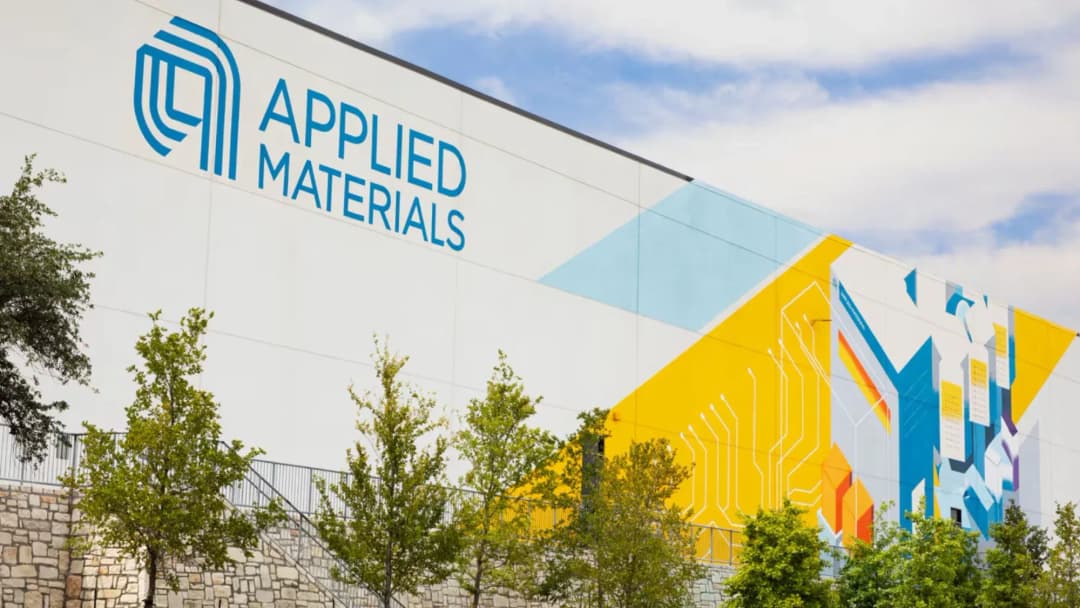
The new deposition and etch systems want to push manufacturing limits in advanced AI chip production.
View

Under the agreement, GeM and BHASHINI will jointly debelop multilingual digital resources through initiatives such as BHASHINI Udyat, Mitra, Appmitra, Sahyogi, and Pravakta.
View

The National Testing Agency had highlighted a major concern of fraudsters attempting to deceive students.
View

Hoovu’s Sarvam-powered HR assistant offers a glimpse into how Indian startups are deploying AI for real-world use cases.
View

Over the weekend, Google CEO Sundar Pichai faced a small revolt when he delivered his commencement speech at Stanford University, where he earned his graduate degree in materials science and engineering. About 200 students from the graduating classreportedlywalked out, while others loudly booed the tech executive. The focus of the protest was Google’s defense ties — including Project Nimbus, the controversial $1.2 billion contract, shared with Amazon, to provide cloud and AI services to the Israeli military, as well asits relationshipwith the U.S. Immigration and Customs Enforcement agency. Student signs included phrases like “ICE SPIES WITH GOOGLE AI” and “GENOCIDE RUNS ON GOOGLE,” as well as “FREE FREE PALESTINE,” a press release associated with the protest notes. Students also waved Palestinian flags and shouted “free Palestine,”online videoof the protest shows. “We are walking out because we refuse to glorify the corporations that fuel this violence and exercise our power to choose differently,” a statement associated with the protest reads. The walkout was organized by a number of campus activist groups, including Stanford Students for Justice in Palestine, No Tech for Apartheid, and Tech for Liberation. TechCrunch reached out to Google for comment. As the war in Gaza has raged, Google’s participation in Nimbus has drawn protests from bothinsideand outside of the company. In 2024, Googlefired 28 workersfor protesting the contract, although it has continued tosuffer internal dissentover the issue since then. It was also recently criticized by the Electronic Frontier Foundation,which accused itand other companies of “choosing to look the other way” on Israel’s use of their services. Project Nimbus also enjoys support from Amazon. Microsoft has also been criticized for its support of the Israeli military, although the companyrestricted the Israeli government’s useof its technology afteran investigationfound that its cloud services were being used to mass-surveil Palestinians. The student protest also drew criticism from business leaders online. Vinod Khosla, the billionaire co-founder of Sun Microsystems and one of Silicon Valley’s most prominent venture capitalists,posted on Xthat the protest was “biased, idiotic, short-sighted and very selfish,” adding that it was selfish because the students “ignored the bottom 3 billion people on this planet that could benefit from AI and they are worried about their misinformed selfish self-interest.” Pichai’s appearance at Stanford is part of a broader pattern. Speakers at college graduation ceremonies around the countryhave faced booswhen they have attempted to get outgoing college students excited about AI. But rarely has student animus been as targeted as it was with Pichai, directed not at AI hype, but at the specific business decisions made by the company he leads. In general, young people seem to believe that AI isthreatening their employmentopportunities and may be ruining other parts of society as well.
View
View