🚀 Zaprep: Your Socials on Steroids. Start free — automate 1,000 DMs/month & turn engagement into leads. with 1,000 automated DMs/month.
Latest AI News

Meta Pulls AI Tool That Allowed Edits of Public Instagram Photos After Backlash
The company discontinued the feature within days of launch after criticism over consent and privacy in AI-generated image creation.
View

Meta removes controversial AI feature on Instagram after backlash
Meta has axed a controversial feature that allowed users to modify photos from public Instagram accounts using AI. The feature, which was rolled out earlier this week along with a batch of other AI tools, “missed the mark” and is no longer available, according to the company. Earlier this week, MetaannouncedMuse Image, a new AI image generator built by Meta Superintelligence Labs, its dedicated AI unit. Meta promoted one feature that allowed individuals to generate images by @-mentioning public Instagram accounts that they wanted to reference. The feature, which wasn’t designed to alert a user if their photos were used in this way, prompted immediate backlash. TechCrunchwrote its own guideon how to disable the feature. Now Meta has reversed course. The company issued ablog postFriday announcing that it was removing the feature. Puck News founding partner Dylan Byers was the first to share thecompany’s decision. “Our intent was to provide a useful creative tool and to give people control over whether their public content could be referenced in this way,” the company posted on its blog. “We’ve heard the feedback that this feature missed the mark, so it’s no longer available.” TechCrunch reached out to Meta for more information and will update this article if it responds. Since its integration with social media platforms, AI has been misused with wild abandon — often togenerate naked images of female celebrities. Platforms have attempted to mitigate this trend, although the guardrails introduced have often fallen short. In the case of Meta’s newly nixed feature, it seems somewhat obvious that it would have been abused in this way. Indeed, Byers notes that the decision to do away with the feature came “amid scrutiny from users and talent agencies, including CAA.”
View

Apple sues OpenAI over alleged trade secret theft
Apple filed alawsuitFriday against OpenAI over allegations of trade secret theft and breach of contract. The iPhone maker alleges that this misconduct, which it says reveals a pattern of theft from OpenAI employees who previously worked at Apple, was directed by OpenAI’s senior leadership, includingChief Hardware OfficerTang Tan. The lawsuit, which was filed in the U.S. District Court for the Northern District of California, accuses Tan of using Apple’s confidential project code names during OpenAI’s recruiting process, asking job candidates to bring in Apple hardware components to their interviews, coaching departing Apple employees on how to evade the company’s security procedures, and asking for details about the company’s unannounced products. Before joining OpenAI, Tan had spent 24 years at Apple, most recently as VP of product design for the iPhone and Apple Watch. The accusations come at a time when OpenAI is rumored to be developing itsfirst hardware product, which would likely compete with the iPhone. In April, industry analyst Ming-Chi Kuosuggested this device could be a smartphonethat would rely on AI agents instead of apps. If true, it would be one of the largest threats to Apple’s core hardware business to date. Apple’s former lead designer Jony Ive’s device startup iowas acquired by OpenAI last yearin a $6.5 billion deal to aid the AI company with its hardware ambitions. While io was named in the filing, Ive was not. Tan is not the only OpenAI employee referenced in the new complaint. Apple also alleges thatChang Liu,who spent eight years at Apple as a senior systems electrical engineer, failed to return an Apple-issued laptop after leaving the company for OpenAI in 2026 and had used the computer to download confidential Apple technical documents. Apple says in thecomplaintthat the stolen documents included information about unannounced technologies, features, and products, including technical specifications, engineering presentations, and proprietary project data. Liu is also accused in the lawsuit of sharing Apple’s confidential information with other Apple employees applying for jobs at OpenAI, advising at least one of them on what to study before their interview. Apple sent a letter to OpenAI in February to raise its concerns, and received no response, the company said in the complaint. It alleges that the behavior of these former employees is part of OpenAI’s strategy to extract Apple’s confidential information, which included asking Apple employees to bring designs and prototypes to their interviews, and answer questions about things like component and vendor selection processes. Apple says its ongoing investigation revealed that OpenAI and its partners have even used Apple’s confidential information while the AI model maker develops its own hardware product. For instance, the filing references a proprietary metal finishing technique that was used by OpenAI after it allegedly misled a partner into believing it had Apple’s permission to do so. Like many tech companies, Apple typically investigates potential trade secret theft or other improper activity by analyzing communications that took place on company-owned devices and reading through its server logs. By taking the case to court, Apple will have an opportunity to learn more about the extent of the alleged operation through the legal discovery process. Apple is asking the court to bar OpenAI from using or disclosing its trade secrets, require the company to return any confidential Apple materials, and preserve evidence related to the case. “This is the tip of the iceberg. Apple lacks visibility into what’s been happening behind closed doors at OpenAI, where such misconduct is normalized and exemplified by leadership,” the filing states. “As a natural result, OpenAI’s nascent hardware business now rests on the shakiest of foundations, rotten to its core by its illegal reliance on misappropriated trade secrets.” In a prepared statement, Apple also said the following: “At Apple, our teams are constantly developing breakthrough technologies to create the best products and services in the world, and protecting their work and intellectual property is something we take very seriously. Recently, significant evidence has emerged suggesting individuals employed by OpenAI wrongfully took Apple’s secret and confidential information regarding our unreleased technologies, processes, and products. We will always defend our teams’ hard work and innovations, and we are taking all appropriate steps to do so.” OpenAI was asked for comment. The filing is availablehere, or you can read it below. This story is developing and will be updated, and originally published at 1:32pm PT.
View
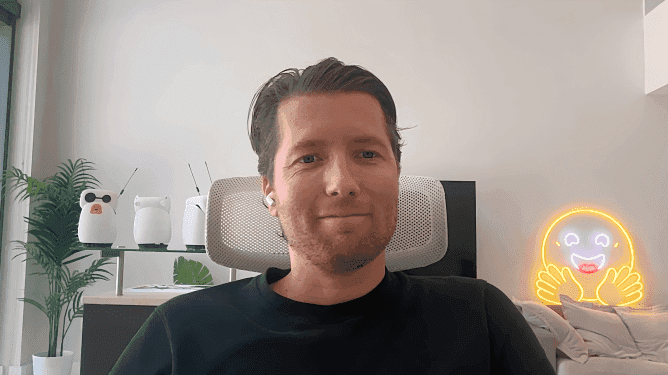
Hugging Face’s CEO on why companies are done renting their AI
Loading the player… Open source AI is booming, according toHugging FaceCEOClem Delangue. The company has grown into something like a GitHub for AI in recent years, where AI builders can share and download open models and datasets, now used by roughly half the Fortune 500. Delangue has seen the same story play out again and again: companies start out on frontier APIs, but as they scale, the costs push them towards open source models. On this episode of TechCrunch’sEquitypodcast, Rebecca Bellan talked to Delangue about why the open vs closed source fight matters in the wake of Anthropic’s halted Fable release, and why he’s worried about the possibility that a handful of big companies could end up controlling everything. Subscribe to Equity onYouTube,Apple Podcasts,Overcast,Spotifyand all the casts. You also can follow Equity onXandThreads, at @EquityPod.
View
SK Hynix raises $26.5B in the biggest foreign IPO in US history, is urged to build new US fabs
The AI chip boom just produced its biggest Wall Street moment yet. SK Hynix, a South Korean memory chip giant,said Fridayit has raised $26.5 billion (KRW 40 trillion) in its U.S. market debut. SK Hynix sold 177.9 million American depositary shares (ADRs) at $149 each, structured so U.S. investors can buy in at roughly a tenth of what a full share costs in Seoul. This deal, the largest-ever U.S. debut by a non-American company, toppedAlibaba’s$25 billion IPO in 2014. The company begins trading on the Nasdaq today, Friday, July 10, under the temporary ticker SKHYV. Regular trading opens Monday, July 13, when the ticker officially becomes SKHY. So far, U.S. investors are lapping it up. Thestock opened at 14% over its IPO price, and the price was still rising in early trading on Friday. This even as it priced its U.S. shares at a 2.7% premium to its own three-day average back home in Seoul, according to itsKorea Stock Exchange filing. Yet, demand for the offering wasreportedlymore than seven times the available shares, per media reports. That’s especially amazing considering Korean companies have long traded at a discount to their global peers. That valuation gap is called the Korea Discount. Investors often cite factors such as complex corporate governance structures, low shareholder returns, regulatory uncertainty, and geopolitical risks related to North Korea to justify why companies from that country don’t command higher share prices. But SK Hynix clearly isn’t suffering from the Korea Discount and that’s because it makes memory chips, including high-bandwidth memory (HBM). HBM is a key component of AI GPUs processors. And right now, Nvidia relies on SK Hynix as one of its primary suppliers. Per its filing, the money raised from eager U.S. investors will go to three places: a new fab in South Korea (being built now to address the worldwide shortage of memory cause by AI); a new packaging facility in that country; and EUV scanners, the machines that make next-generation chips possible. Meanwhile, U.S. Commerce Secretary Howard Lutnick stopped by a Micron event Thursday with a message for the broader chip industry, not just for U.S. memory maker Micron (who is one of SK Hynix’s biggest competitors). Lutnickreportedlysaid he’s already in talks with Samsung (the third major memory maker, worldwide) and SK Hynix about building new factories in the U.S. The idea being not to let South Korea continue to be the country that dominates this important tech. Micron, naturally, is in. Itannounced it plansto invest $250 billion in new U.S. manufacturing, a commitment the U.S. memory chip company says will create more than 90,000 jobs and keep leading-edge chip production on American soil. The timing of Lutnick’s request is notable beyond this U.S. IPO for SK Hynix: Both Korean chipmakersjust pledged more than $550 billionfor new manufacturing investment in South Korea.
View

Open source AI matters more than ever, according to Hugging Face’s Clem Delangue
Open source AI is booming, according toHugging FaceCEOClem Delangue. The company has grown into something like a GitHub for AI in recent years, where AI builders can share and download open models and datasets, now used by roughly half the Fortune 500. Delangue has seen the same story play out again and again: companies start out on frontier APIs, but as they scale, the costs push them towards open source models. On this episode of TechCrunch’sEquitypodcast, Rebecca Bellan talked to Delangue about why the open vs closed source fight matters in the wake of Anthropic’s halted Fable release, and why he’s worried about the possibility that a handful of big companies could end up controlling everything. Listen to the full episode to hear more about: Subscribe to Equity onYouTube,Apple Podcasts,Overcast,Spotifyand all the casts. You also can follow Equity onXandThreads, at @EquityPod.
View
Decoding Google’s Formula for Gemma That Won it 400 Million Downloads
By combining native vision, audio, and reasoning in a compact model, Gemma provides a compelling platform for local AI agents.
View
Why Broadcom-VMWare Is Going After India’s Private AI Opportunity
With production AI becoming a priority for regulated industries, Indian enterprises are rethinking where their AI workloads should run.
View
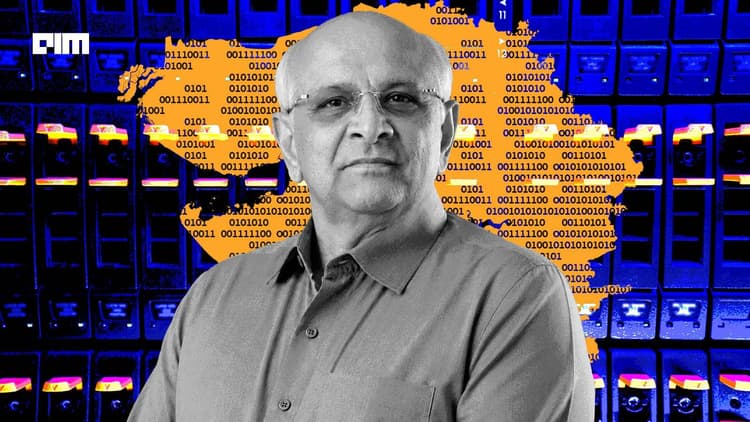
Can Subsidies Alone Deliver Gujarat’s ₹6 Lakh Cr AI Data Centre Plan?
Gujarat enters a crowded field of states vying to attract data centre investments. Its success will ultimately depend on execution rather than announcements.
View
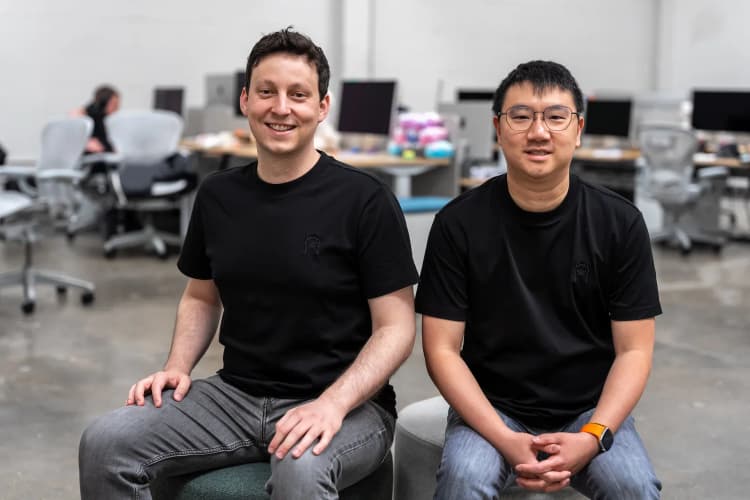
Open-Source AI Platform Ollama Raises $65 Mn in Series B Funding
Ollama’s total funding now stands at $88 million.
View
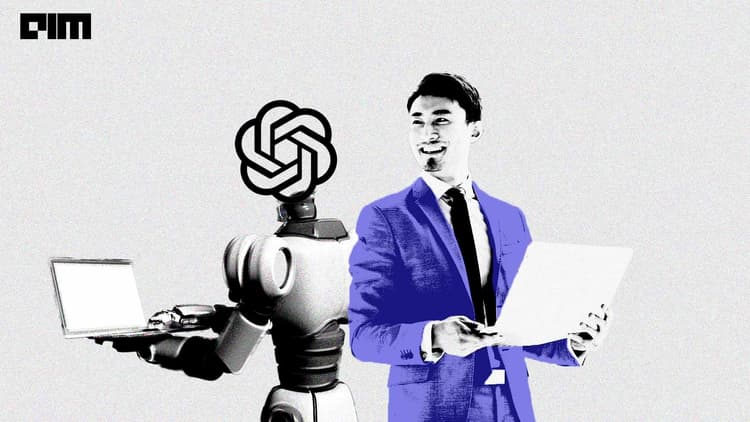
OpenAI Launches ChatGPT Work Powered by GPT-5.6 for Enterprise Workflows
The launch marks OpenAI's biggest push yet to turn ChatGPT into a workplace productivity platform with connected apps and AI agents.
View

India's AI-Led E-commerce Market to Touch $250 Bn by 2030: Shiprocket-Deloitte Report
AI, vernacular commerce, and rising adoption in smaller cities are fuelling the rise of India's e-commerce market.
View
Submit your Tool


PoweredByAI.app is an AI Tools Directory helping individuals, businesses, and creators discover the best AI tools for writing, coding, design, productivity, and more.
© 2026 , Product of011BQ. All rights reserved.